

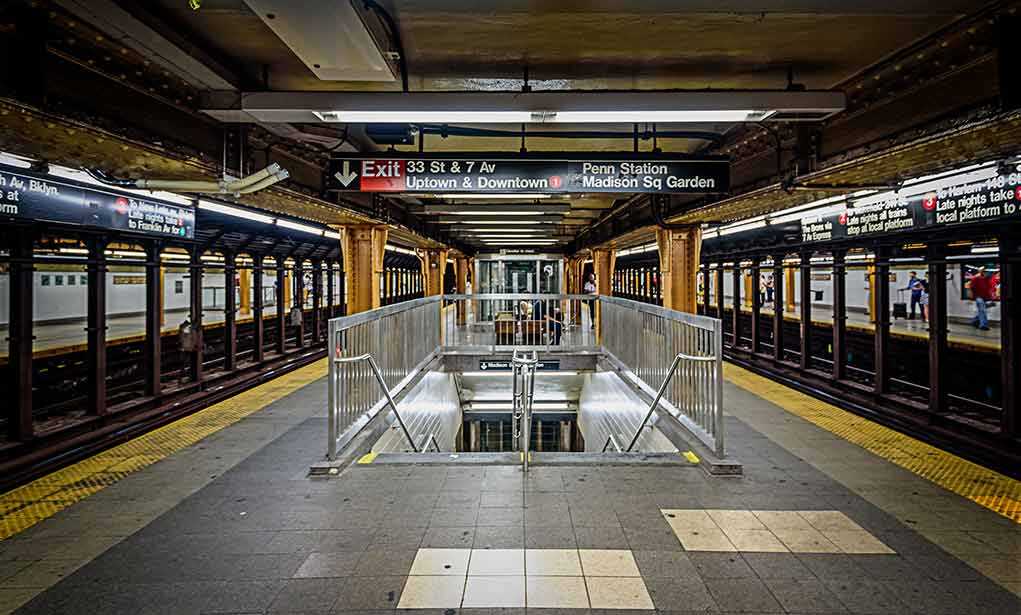
A late-night video shows three headlamp-wearing men climbing out of a Manhattan manhole near Penn Station, and police are investigating.
Story Highlights
- Video shows three people in overalls and headlamps emerging from a manhole near Penn Station around 4 a.m.
- New York Police Department says it is aware of the video and is investigating.
- City environmental officials inspected the sewer system and found no structural damage.
- Officials warn entering manholes is illegal and extremely dangerous due to toxic gases and flooding risks.
Video Captures Three Men Exiting Manhole Near Penn Station
ABC7 New York reported that social video showed three people in overalls and headlamps coming up from a manhole near Penn Station at about 4 a.m. The clip shows the trio exiting one by one before the cover is replaced, drawing public attention and concern. The report noted earlier, similar underground sightings in other boroughs this year. The timing and location raised questions because of the area’s heavy transit use and the critical infrastructure below the streets.
National outlets also covered the episode and described it as part of a recent pattern of people entering city sewers at night. NBC News said police acknowledged the video and confirmed an active investigation. Authorities have not identified the men or stated their purpose. The agency’s statement focused on awareness of the video and next steps, which keeps the spotlight on safety, legality, and any possible tie to other incidents citywide.
Police Acknowledge Investigation; Identities Remain Unknown
The New York Police Department said it is aware of the video and that the investigation is ongoing. That means detectives are working to verify who these people are and whether they had any authorization from a city agency or utility. Officials have not announced arrests or charges linked to this clip. This kind of case can hinge on matching contractor logs, permits, or access records with the time and place shown in the footage.
Without clear identification, the focus turns to public safety and deterrence. Police coordination with city agencies can include checking street work orders and transit maintenance schedules. If this was unauthorized entry, the conduct fits a risky pattern that officials want to stop. If it was authorized work, the lack of visible markings or a flagging crew at street level still raises procedure concerns for a dense, high-traffic zone like Penn Station.
City Inspectors Report No Structural Damage to Sewer System
The Department of Environmental Protection inspected the sewer infrastructure around the manhole after the video circulated. Inspectors reported no structural damage to the system in that area. That finding means walls, joints, and major components looked intact. It does not answer every question about possible interference with utilities or access routes, but it addresses the most serious fear of physical harm to the sewer network itself near a critical transit hub.
Other recent incidents in Brooklyn and Queens were reviewed by officials and described as not posing a direct threat to the public. Even so, unapproved entries take resources away from real work and force emergency responders to treat every case as a potential hazard. That is why the city draws a hard line on manholes and sewers. Inspectors and police need to assume danger until proven otherwise when unknown people go underground at night.
Why Unauthorized Manhole Entry Is Illegal and Extremely Dangerous
The city’s Department of Environmental Protection warns that entering the sewer system is both illegal and extremely dangerous. Sewers can hold toxic gases, low oxygen, and explosive vapors. Flooding, unstable surfaces, and tight spaces can trap people and endanger rescuers. Federal workplace guidance treats these as permit-required confined spaces, which demand testing the air, ventilating, and having trained crews and rescue plans before anyone goes down a ladder.
🚨 JUST IN: NYPD INVESTIGATES AFTER 3 PEOPLE ARE SEEN CLIMBING OUT OF MANHATTAN SEWER
👀 New video shows three people wearing overalls and headlamps climbing out of a Manhattan manhole near Penn Station around 4 a.m.
🚔 The NYPD is investigating, while the city’s Environmental… pic.twitter.com/Ti3xEl9KsP
— Allen H. Blackwell (@MrAlenBlackwell) August 24, 2026
That safety framework explains why officials react fast even when no damage is found. The danger is immediate to life and health, not only to pipes and tunnels. Proper entries use clear markings, barricades, and attendants at street level, along with meters that monitor oxygen and hazardous gas levels. Unauthorized entries skip these steps and turn busy streets into blind rescue scenes. That is unacceptable near a hub like Penn Station and Madison Square Garden.
What Comes Next for Enforcement and Public Safety
Police can match time stamps from the video with city work records, utility permits, and transit logs to determine if this was a legal entry. If not, trespass or related charges could follow. City agencies will likely keep inspecting for tampering or blocked access points. The fast “no structural damage” finding is reassuring, but it does not cancel the need to enforce the rules that keep crews and bystanders safe. The public should treat open manholes as emergency hazards.
For New Yorkers, this is about basic order on the streets. Rules protect workers, protect first responders, and protect the public. President Trump’s administration has pressed for stronger infrastructure security nationwide. Local leaders must back that with firm enforcement on the ground. When unknown people pop out of manholes at 4 a.m., the law must answer fast, and safety standards must hold the line—every time.