President Trump is threatening to seize Iran’s most critical oil hub — and Tehran’s refusal to make a deal may be about to cost them everything.
Story Snapshot
- Trump posted on Truth Social on June 11, 2026, warning the U.S. would strike Iran “VERY HARD TONIGHT” and seize “total control” of its oil and gas industries.
- Kharg Island handles roughly 90% of Iran’s crude oil exports, making it the economic jugular of the Iranian regime.
- Trump compared the planned move to the U.S. takeover of Venezuela’s oil sector after capturing Nicolás Maduro in January 2026.
- Oil prices spiked above $90 per barrel after the announcement, and Iran has so far refused direct negotiations with the U.S.
Trump Puts Iran’s Oil Lifeline on the Table
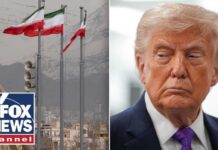
President Trump escalated pressure on Iran on June 11, 2026, threatening to seize the country’s oil and gas infrastructure, including Kharg Island. In a Truth Social post, Trump said the U.S. would hit Iran “VERY HARD TONIGHT” and would “assume total control” of Iran’s oil and gas markets “in the not too distant future.” The announcement came hours after U.S. and Iranian forces exchanged fire for the second straight day, despite a nominal ceasefire being in place. [4]
Kharg Island is Iran’s primary crude export terminal. It handles roughly 90% of the country’s oil shipments and holds massive storage facilities. [3] Cutting Iran off from that revenue would gut the regime’s ability to fund its military, its nuclear program, and its support for terrorist proxies across the Middle East. Trump framed the move as a direct response to Iran’s stalling in ceasefire negotiations. He told Fox News the U.S. offensive that day was triggered by Tehran’s delays in turning a temporary ceasefire into a lasting peace deal. [4]
The Venezuela Playbook — Applied to Iran
Trump pointed to Venezuela as the model for what he has in mind. After U.S. forces captured Venezuelan leader Nicolás Maduro in January 2026, the Trump administration assumed control of Venezuela’s oil sector. Trump said the Iran strategy would follow the same path. [7] The U.S. military has already been running operations in the region — striking Iranian radar systems, air defenses, and communication networks to degrade Tehran’s ability to retaliate. [4] More than 3,500 American troops have also deployed to the Middle East in recent weeks. [2]
Trump acknowledged the Kharg Island operation would be dangerous. He told reporters he was unsure whether “America has the stomach” for it. [5] That kind of honest assessment is worth noting — this is not a president pretending there are no costs. He is making a calculated bet that maximum pressure now prevents a longer, costlier conflict later. Iran has had every chance to negotiate. Trump’s message is simple: they should have made a deal.
Real Risks That Can’t Be Ignored
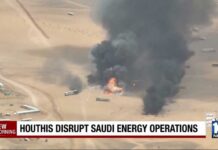
The threat carries serious consequences either way. Oil prices jumped above $90 per barrel immediately after Trump’s announcement. [3] Iran has already closed the Strait of Hormuz — the world’s most important oil shipping lane — in response to the broader conflict, causing the biggest energy market disruption in the history of the oil industry. [16] Any move on Kharg Island would put U.S. troops in a high-risk combat zone within range of Iranian missiles, drones, and artillery from the mainland. [8]
Plans for the US military to try to capture Iran’s Kharg Island have been drawn up for months but repeatedly shelved because the operation was considered too risky, CNN reported, citing a senior Pentagon official and two administration officials.
The view inside the White House…
— Alex kennedy (@Alexkennedy213) June 11, 2026
Analysts warn that actually occupying and running Kharg Island would require far more than a strike — it would demand sustained military presence in hostile territory. Iran has a population of over 90 million people and has spent decades preparing for exactly this kind of confrontation. [8] That said, the U.S. has a long history of using oil infrastructure as leverage in the Persian Gulf. Brookings has documented that denying hostile regimes control of oil resources has been a core driver of American military strategy in the region for more than 50 years. [11] Trump is not operating outside that tradition — he is pushing it to its outer edge. Whether the threat forces Iran to the table or triggers a wider war is the question that will define the next chapter of this conflict.
Sources:
[2] Web – Trump Escalates Pressure on Iran, Threatens Seizure of Key Oil …
[3] YouTube – Trump Suggests Seizing Iran Oil Hub, Iran Denies Direct Talks
[4] Web – Trump Threatens Iran’s Oil Infrastructure | iHeartRadio
[5] Web – Trump threatens to seize control of Iranian oil and gas facilities as …
[7] Web – Trump’s Shocking Proposal: US Could ‘Take the Oil in Iran’
[8] Web – Trump threatens to take ‘total control’ of Iran’s oil industry as …
[11] Web – The Persian Gulf: Understanding the American Oil Strategy
[16] Web – The Iran War and the End of the US-Gulf “Oil for Security” Deal