U.S. military investigators say a February strike likely hit an Iranian girls’ school, killing many children, and demand for full answers is now urgent for America’s honor and the rule of law.
Story Snapshot
- Investigators’ early findings point to likely U.S. responsibility for the Minab school strike.
- Rights group analysis says an air strike hit during school hours on February 28, 2026.
- Reports describe well over 100 dead, most of them young girls.
- Sources say outdated information may have led to the mistaken strike.
What Happened In Minab, And When
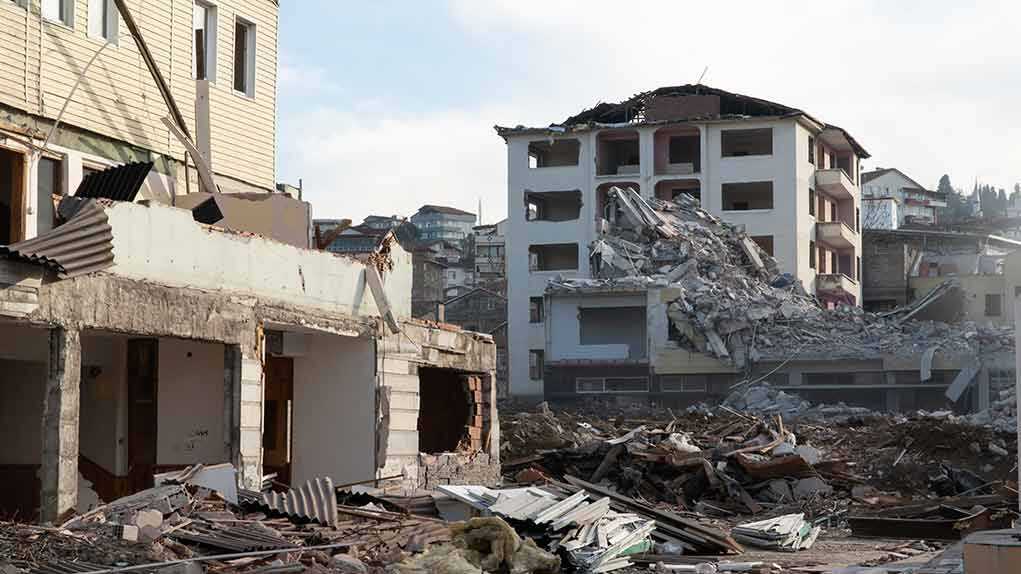
Iranian officials reported that a missile strike hit Shajareh Tayyebeh Elementary School in Minab on February 28, 2026, during the school day. Amnesty International reviewed video, satellite images, and interviews and said the site was struck that morning, aligning with local claims of heavy loss of life. The Guardian and other outlets described a direct hit on a building full of girls aged seven to twelve. The result was widespread devastation and a death toll measured in the hundreds across reports.
Reuters reported that U.S. military investigators reached a preliminary view that U.S. forces likely carried out the strike, while the formal probe continued. That early assessment matters because it came from inside the U.S. system. It also follows a known pattern in wartime: official records take time, while outside groups and media pull together the first picture from footage, witnesses, and satellite data. That picture in Minab points to an air strike on a functioning school.
Casualty Reports And The Human Toll
Amnesty International cited Iranian authorities who said at least 156 people died, including about 120 children. The Los Angeles Times relayed similar figures from grieving families and local sources, showing the scale of loss among students and teachers. Some counts vary by outlet, as happens in chaotic aftermaths, but all agree many children died. Families still search ruins and morgues. They collect small items, like sweaters and notebooks, to identify loved ones and to press for a full accounting.
Foreign Policy reported that several Tomahawk-like missiles appeared to have struck the school, noting the United States as the known operator of that class of weapon in the conflict. Iran International shared surveillance footage that appeared to show repeated impacts on the campus. These descriptions support the conclusion that precision weapons hit the site during class time. That is why independent investigators and many in the United States now focus on how the target was chosen and what safeguards failed.
How A Targeting Error May Have Happened
CNN reported that two sources briefed on preliminary findings said the school was hit by mistake, likely due to outdated information tied to a nearby naval base. If that is true, the core failure was simple and tragic: the information was wrong, and children paid the price. That is not a defense. It is a warning. Old data in a fast-moving fight can kill innocents. That is why targeting checks, human review, and fresh intelligence must be non-negotiable.
Families grieve in the ruins of an Iranian school where a US strike killed dozens of children
Families in Minab, Iran, are mourning the loss of children and teachers killed in a U.S. airstrike on the Shajareh Tayyebeh school on February 28. The attack, which occurred on the…
— PiQ (@PiQMarkets) September 9, 2026
President Trump has said nobody attacked the school on purpose and that it may never be known who was at fault, while stressing intent matters in judging the act. Intent matters under the law of war, but so does accountability. For conservatives who believe in personal responsibility and limited government, the answer is clear. The Pentagon should release the investigation’s records, within security limits, and explain exactly what went wrong and how it will be fixed.
Why Accountability Protects American Strength
Strong nations face hard truths. Releasing evidence, including strike logs and the targeting packet, would honor the dead and teach the force. Studies on U.S. civilian-harm probes show that secrecy and delay erode trust and make future missions harder. Congress can hold hearings, require document production, and set timelines. Clear steps now would defend America’s moral standing, help prevent repeat errors, and show the world that our power serves law and life, not confusion.
What Comes Next
The path forward is concrete. First, finish and publish the investigation’s findings with as much detail as possible. Second, share before-and-after satellite images and any fragment analyses to confirm the munition and trajectory. Third, compensate affected families and support medical care, as U.S. policy allows. Fourth, update targeting databases and demand human validation when schools, hospitals, or crowded sites are near. These steps are common sense and consistent with American values.
Sources:
youtube.com, reuters.com, aljazeera.com, iranintl.com, theguardian.com, foreignpolicy.com