
Ukraine’s president says he will accept an immediate, unconditional ceasefire along the front, starting talks from today’s battle line.
Story Highlights
- Zelenskyy offers an unconditional ceasefire covering land, air, and sea during talks.
- U.S.–Ukraine statement outlines a 30-day ceasefire, extendable by agreement, if Russia reciprocates.
- Kyiv frames the pause as a first step to peace, not recognition of territorial losses.
- Plan mentions outside monitoring and security guarantees, but enforcement details remain limited.
Zelenskyy’s Offer: Full Ceasefire From Current Frontline
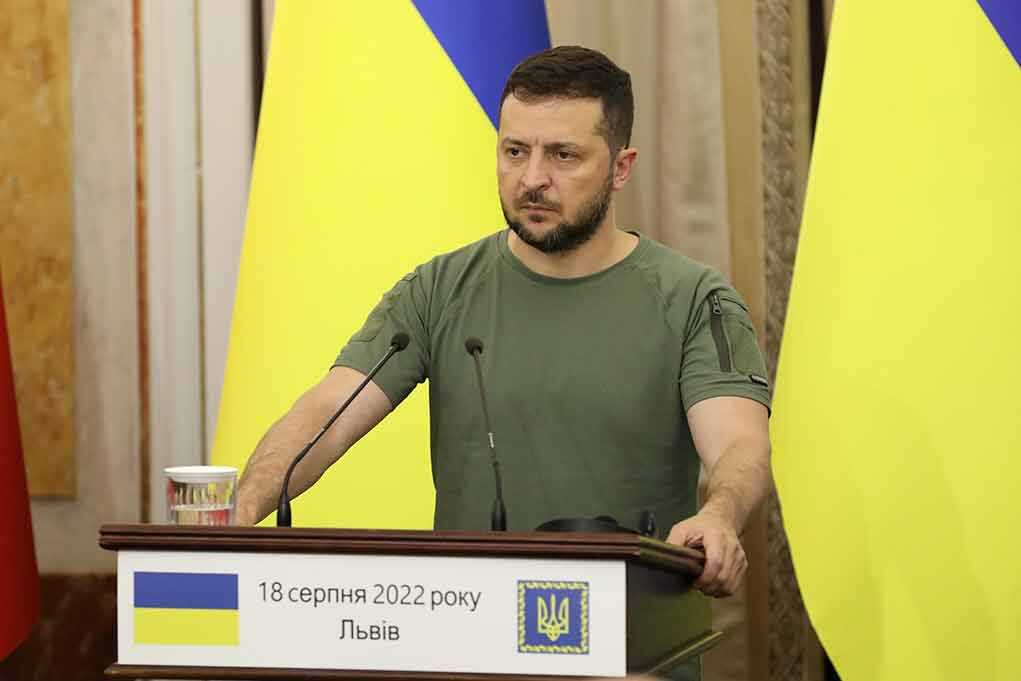
Ukrainian President Volodymyr Zelenskyy said Ukraine is ready for an immediate, unconditional ceasefire that would stop fighting on land, at sea, and in the air. He described the present front line as the line from which talks must begin, and he tied the proposal to active negotiations on a lasting peace. He presented the ceasefire as “real and lasting” only as a first step, not as a final deal on borders or sovereignty. These terms were set out in official statements.
A joint statement from Ukrainian and American delegations adds operational detail. It says Ukraine would accept an interim 30-day ceasefire, which could be extended if both sides agree. The pause would start only if Russia accepts and implements it at the same time. That “reciprocal” design tries to avoid one-sided restraint that could cost lives and terrain. The document treats the 30-day window as a bridge to talks, not a permanent freeze of the war.
Scope, Monitoring, and Security Guarantees
Kyiv’s offer covers the entire battlespace, promising silence at the front, in the air, and at sea, which would reduce strikes on cities and infrastructure if honored. The presidency also links the pause to monitoring by a coalition of partners and to security guarantees that would activate once the ceasefire begins. Those points aim to create outside pressure to hold the line. Still, the public record does not spell out monitor mandates or penalties for violations.
Zelenskyy’s messages stress that a stop to the shooting is not a surrender of claims. He calls the ceasefire the first step toward a “secure and enduring peace,” while leaving hard issues for talks. Those issues include control of occupied areas, the return of displaced people, sanctions policy, and long-term security terms. By keeping those matters open, Ukraine signals it is pausing to negotiate, not granting legal recognition of any territorial change.
What This Means for U.S. Interests and Taxpayers
The plan fits a known pattern in modern wars, where pauses come before final deals. Ceasefires can save lives and let talks advance, but they can also harden into “frozen conflicts” if the core dispute is not solved. Legal experts note that ceasefire lines do not become borders by default, yet they can shape facts on the ground over time. That is why monitoring, timelines, and clear triggers matter for American policy and oversight of support.
For conservative readers, the stakes are clear. Americans want a responsible path that avoids endless spending, protects our energy and food prices, and keeps faith with allies without writing blank checks. A time-bound, reciprocal ceasefire with outside eyes on it is tighter than vague promises. It creates a test: if Moscow will stop shooting and talk in good faith, progress is possible; if not, Washington can judge results against clear, public terms before committing more aid.
Limits and Next Steps in the Peace Track
The public materials do not publish a full enforcement scheme. They mention monitors and security guarantees but do not define verification standards, response timelines, or what happens after a breach. That gap matters along a hot front, where violations can be sudden and deadly. The next step would be a written implementation plan that sets who verifies, how fast they report, and what costs follow if either side breaks the truce.
2/
June 2026:Zelenskyy offered a frontline freeze, giving #Russia de facto (not de jure)control of occupied #Ukraine territories as "the quickest way" to
"stop war& move it..to diplomacy,negotiations"
-perhaps to effectively "Koreanize" Ukraine if Putin would settle for this? pic.twitter.com/Gq9zBdmOHL
— depa 🕊 (@d_billaba) October 20, 2026
Zelenskyy’s stated approach now has three anchors: start talks from the line of contact, stop all strikes during talks, and keep sovereignty issues open for the table. The United States can support a ceasefire that is short, clear, and tested, while guarding taxpayer dollars and American strength. Results should drive policy. If the guns fall silent and talks advance, the window stays open. If they do not, Washington has the clarity to recalibrate without delay.
Sources:
facebook.com, president.gov.ua