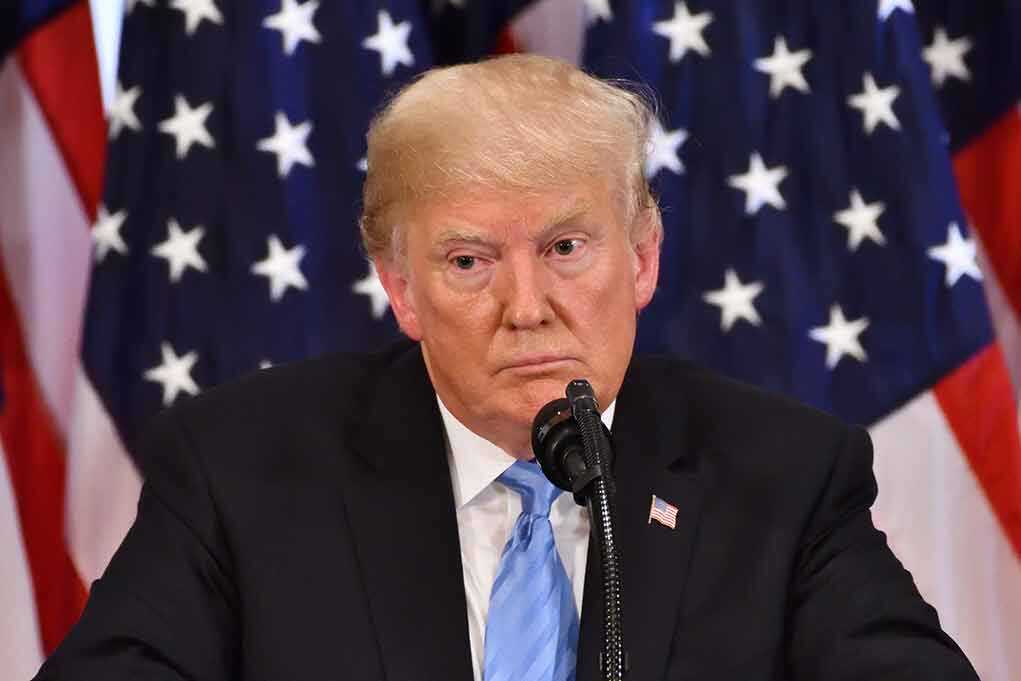
President Trump tied cheaper diesel for Americans to a pause in Ukraine’s refinery strikes, and he warned Zelensky to “stop” or expect consequences.
Story Highlights
- Trump urged Ukraine to halt strikes on Russian refineries and questioned Zelensky’s leadership.
- Treasury issued a waiver allowing limited Russian diesel transactions through April 2027.
- The plan aims to boost diesel supply; early volumes were detailed by U.S. officials and reports.
- Zelensky vowed to stop only if Russia also halts attacks on Ukraine’s energy sites.
Trump’s Demand and the New Diesel Pathway
On October 10, President Trump told Ukraine’s Volodymyr Zelensky to stop drone strikes on Russian refineries and said Ukraine should choose a new president if it wants the war to end. He linked those strikes to fuel costs and stressed a negotiation track with both sides. The day before, his administration announced a diesel arrangement with Russia, described as a market release rather than a direct U.S. supply pipeline, but still aimed at easing prices through added supply.
The administration followed through with policy, not just words. The Department of the Treasury directed a temporary license that allows certain Russian diesel transactions until April 7, 2027. Supporters argue this move can expand available supply heading into winter and into next year. Critics counter that it loosens pressure on Moscow while the war goes on. The license length and scope set the practical frame for what traders and refiners can actually do in the coming months.
How Supply Targets Meet Battlefield Realities
Trump’s team said Russia would move large diesel volumes in stages, starting with hundreds of thousands of tons right away, then more in November, and more after that. Reports noted further releases could depend on refinery conditions, which the Ukrainian strikes are designed to disrupt. Ukraine hit a major refinery in Ryazan on October 15, underscoring the clash between supply goals and wartime tactics. This is where Trump’s demand to halt strikes intersects with his price strategy.
The promised barrels sound big, but analysts say impact on prices is uncertain. Some reports peg the volumes as about ten days of United States demand or one day of global demand. That scale may help at the margin, but it may not move pump prices much by itself. The administration attributes high diesel costs to tight refining capacity and disrupted flows. Other coverage cites broader conflict pressures as key drivers, creating a debate about what most affects prices now.
Zelensky’s Pushback and the Reciprocity Test
Zelensky said Ukraine would stop hitting Russian refineries only if Russia stops attacking Ukraine’s energy sites. He insists any pause must be mutual and enforceable. He also called the diesel step a weak decision that risks sending more money to Moscow. His supporters in Europe echoed anger and pledged to tighten pressure on Russia. Those positions frame a core split: Washington is seeking price relief and a path to talks, while Kyiv seeks leverage to stop strikes on its grid.
🚨 TRUMP ESCALATES FEUD WITH ZELENSKY, CLAIMS UKRAINE LEADER HAS NO INTEREST IN ENDING WAR
WASHINGTON, UNITED STATES – Trump's criticism links two issues that are usually discussed separately: financial aid and war termination. By arguing that external funding can reduce… pic.twitter.com/FDp0nNboQe
— The Content Factory (@tcf_updates) October 19, 2026
Ukraine paused some refinery strikes at Washington’s request, then resumed after new Russian attacks on energy targets, according to reporting. That sequence shows why Kyiv resists a one-sided halt. Washington’s challenge is to turn the diesel window and the refinery-strike pause into steps toward a real ceasefire. So far, public reports do not show binding Russian concessions tied to the diesel move, leaving questions about what Moscow gives up if Ukraine stands down.
What This Means for Americans and U.S. Strategy
For families and truckers, the test is simple: do prices fall and stay down. The administration’s bet is that more diesel supply helps ease costs for farms, small businesses, and supply chains hurt by years of inflation. For conservatives, the goal is energy security at home, fewer foreign entanglements, and clear accountability for every dollar. That means tracking whether the waiver cuts prices without boosting Russia’s war chest, and whether Kyiv and Moscow accept verifiable steps to de-escalate.
Sources:
washingtonpost.com, cfr.org, npr.org, lemonde.fr, cnbc.com, bbc.com, kyivindependent.com, nytimes.com