
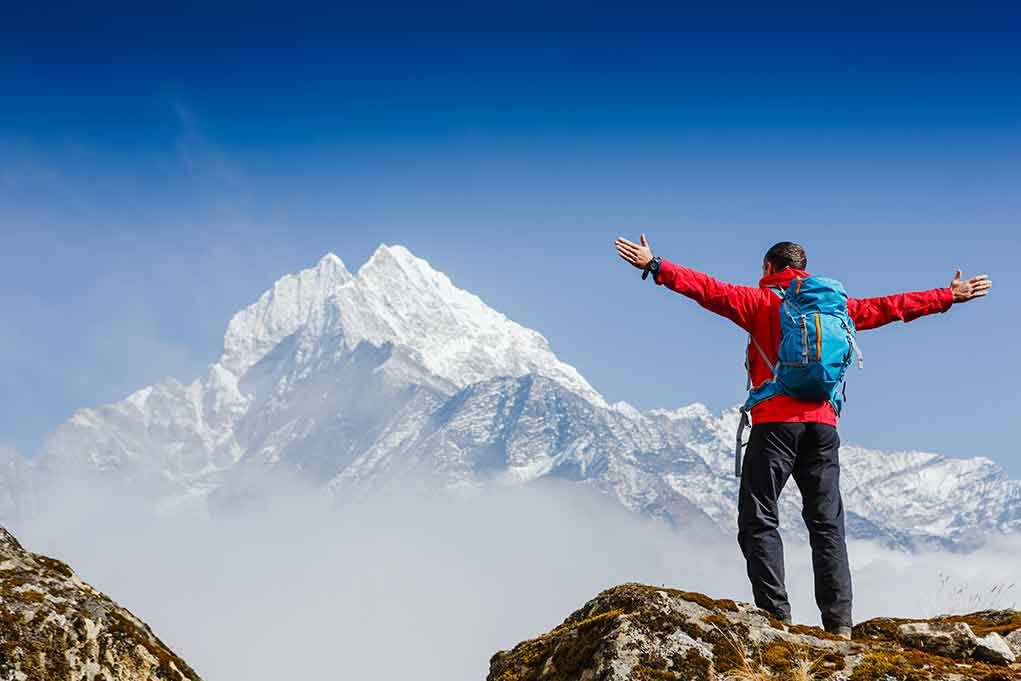
A San Jose climber survived a 500-foot slide on Mount Shasta, then crawled through the night to reach shelter.
Story Highlights
- Climber lost control while glissading and slid about 500 feet
- Severe foot injuries forced an overnight crawl to Horse Camp Cabin
- A hiker found him; rescuers airlifted him to a hospital
- Officials warn glissading on firm snow can be deadly
Rescue After Nighttime Crawl To Safety
Officials said a San Jose climber attempted to glissade down Mount Shasta’s Avalanche Gulch, lost control, and slid about 500 feet. During the fall, he suffered serious lacerations and foot injuries. With his phone dead and movement painful, he crawled through the night toward Horse Camp Cabin, a known shelter on the route. A passing hiker discovered him the next afternoon and alerted authorities. Rangers coordinated an air evacuation, and a helicopter flew him to a hospital for treatment.
Forest officials reported that the man removed his boots due to swelling and continued on socked feet. The crawl likely prevented further trauma from trying to stand on injured feet. Search teams had already mobilized after friends reported him overdue. The find at the cabin made the extraction faster and safer for crews. First responders stabilized him, protected his wounds, and cleared a landing zone for the aircrew. He survived a scenario that often ends much worse.
What Went Wrong On The Slope
Authorities said the climber tried to glissade, a seated slide on snow, but lost control on a steep, firm section. Glissading demands soft snow, a safe runout, and strong self-arrest skills. When the surface is hard, speed builds fast and stopping becomes difficult. Officials on Mount Shasta warn against glissading on firm snow and stress taking off crampons, controlling speed, and knowing how to self-arrest with an ice axe before attempting a slide at all.
Mount Shasta rangers document repeated accidents tied to glissading and descending on firm snow. Incident logs describe similar slides in Avalanche Gulch, often ending with injuries and airlifts. The pattern is familiar: late descents, refreezing surfaces, and fatigue stack the odds against safe travel. Advisory pages urge climbers to start and finish early, assess conditions often, and choose walking over sliding when the snow crust stiffens. These basic choices prevent many rescues each season.
Lessons For Weekend Climbers And Families
This rescue underscores simple, proven steps that save lives. Start early so snow stays softer. Carry an ice axe and know how to use it. Keep your team together and communicate changes in conditions. Skip glissading if the slope is hard or the runout is poor. Pack enough layers, food, water, and a headlamp. Most of all, plan a safe descent before leaving the trailhead. That mindset protects you, your family, and the volunteers who might need to come find you.
Mountain safety is about personal responsibility, not luck. Rescue teams do heroic work, but they should be the last line, not the plan. This climber’s grit and clear goal—reach the cabin—helped him live to tell the tale. The fast response by rangers and the aircrew did the rest. As more people head outdoors, respecting warnings and owning the risk keeps freedom strong. Wise choices on the mountain mean fewer calls and safer communities for everyone.
Sources:
nypost.com, mercurynews.com, abc7news.com, sfgate.com, ground.news