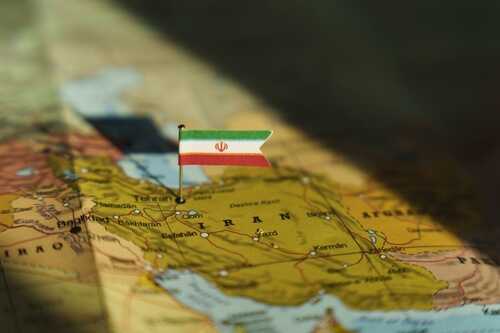
Tehran’s vow of “no leniency” for 20 alleged Mossad operatives signals a harsher crackdown that could accelerate executions and deepen the covert Iran–Israel confrontation.
Story Snapshot
- Iran’s judiciary says 20 alleged Israeli agents were arrested in recent months and warned they will be “made an example.”
- Officials acknowledged some detainees were released after charges were dropped, while investigations continue.
- The arrests follow a 12-day Israel–Iran conflict and a spike in executions tied to espionage allegations.
- Rights advocates warn of due process concerns amid mass arrests and secrecy in espionage cases.
Judiciary Announces Arrests and Zero-Leniency Stance
Judiciary spokesperson Asghar Jahangiri announced that Iranian authorities arrested 20 people in recent months on allegations they operated as Mossad agents inside Iran, pledging there would be “no leniency” and that those convicted would be “made an example.” The statement emphasized deterrence while noting that investigations are ongoing and fuller details will be released later. Officials also indicated that some detainees were freed after charges did not hold, underscoring case-by-case outcomes alongside hardline messaging.
20 alleged Mossad spies arrested in Iran, regime says, amid threat of execution https://t.co/6zoxbYSCSp
— JDVFLFedUpJewess (@freejdvfl) August 9, 2025
The announcement arrives after a bruising summer confrontation in June 2025 that saw 12 days of Israeli airstrikes inside Iran and Iranian missile and drone barrages in response. Media coverage during and after the conflict documented intensified counterespionage activity, reports of large-scale detentions, and an uptick in espionage-related executions. Authorities framed the sweep as necessary national defense following wartime losses and targeted attacks, particularly against nuclear and military sectors.
Post-War Crackdown and Executions Context
State-linked coverage in late June reported hundreds of arrests for alleged espionage, with claims exceeding 700 suspected agents detained during the conflict’s fallout, and at least two executed for spying for Israel at that time. In early August, officials publicized the execution of Rouzbeh Vadi, identified as an Iranian nuclear scientist accused of passing sensitive information connected to a scientist killed during the June strikes. Independent verification of case specifics remains limited, reflecting opaque processes typical of espionage prosecutions.
Amnesty International’s regional leadership criticized the execution trend and the climate of mass arrests, arguing that security claims do not justify the death penalty without transparent judicial scrutiny. Iranian authorities counter that harsh penalties deter infiltration and protect national security after wartime breaches.
Watch: Iran’s judiciary says 20 alleged Israeli agents were arrested in recent months
Stakeholders, Motives, and Messaging
Iran’s judiciary and security services are projecting strength and control, highlighting dismantled networks allegedly run by Israeli intelligence. Broadcast segments referenced Israel-released footage claiming agent activity inside Iran during the strikes, adding to the narrative of active, ongoing covert operations. The result is a duel of messaging: deterrence from Tehran versus exposure and pressure from Israeli-affiliated media.
The dynamic places Iran’s nuclear and defense personnel under heightened scrutiny, with tighter vetting and internal controls expected across sensitive facilities. The broader public faces an atmosphere of intensified security operations, where espionage allegations may chill civil society and academic collaboration. Regional actors are monitoring for escalation, as intelligence tit-for-tat risks cycles of retaliation that outlast the initial kinetic exchanges and complicate diplomatic off-ramps.
Sources:
Iran arrests 20 alleged Mossad operatives; authorities vow no leniency, some releases reported
‘No leniency’: Iran announces the arrest of 20 ‘Zionist agents’
Iran arrests 20 Mossad agents, vows harsh punishment — report
Iran arrests 20 Mossad agents, vows harsh punishment