Diplomatic tensions are boiling over as accusations of human rights abuses against Venezuelan migrants in El Salvador spark a high-stakes international conflict.
At a Glance
- Venezuelan migrants deported by the U.S. claim severe mistreatment in El Salvador’s prison.
- Venezuela launches an investigation alleging crimes against humanity by Salvadoran officials.
- The U.S., El Salvador, and Venezuela are embroiled in a diplomatic standoff.
- Prisoner exchange has led to international scrutiny and allegations of abuse.
El Salvador and Venezuela: A Heated Diplomatic Clash
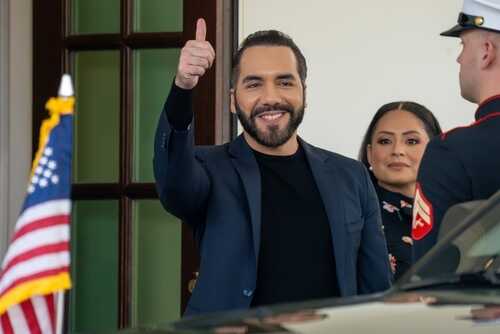
The political chessboard has been set, with El Salvador’s President Nayib Bukele and Venezuelan President Nicolás Maduro at the center. The controversy erupted after 250 Venezuelan migrants deported under President Trump’s wartime laws were detained in El Salvador’s notorious CECOT prison. Fast forward a few months, and these migrants are back in Venezuela, but not without explosive allegations of abuse. Venezuela’s Attorney General, Tarek William Saab, announced a criminal investigation, claiming systematic abuse that equates to crimes against humanity.
Venezuelans leaving El Salvador after Trump sent them to the mega prison without due process: “4 months with no communication… no water… psychological torture… they’d hit us for breakfast, they’d hit us for lunch, they’d hit us for dinner…” pic.twitter.com/JnKyJJHz3A
— The Tennessee Holler (@TheTNHoller) July 23, 2025
The U.S. played a pivotal role in this saga, initiating the deportation and facilitating a prisoner swap that saw 10 U.S. citizens released from Venezuelan prisons. Meanwhile, the Salvadoran government is defending its tough-on-crime image, despite mounting evidence and testimonies from the returned migrants. Video evidence presented by Venezuelan authorities shows visible injuries, fueling outrage and calls for accountability.
Watch: Migrants deported to El Salvador sent to Venezuela in prison swap
The Complex Web of Allegations and Reactions
Saab’s announcement hasn’t just ruffled feathers; it’s ignited a firestorm. With 123 complaints of abuse, including sexual assault and torture, the investigation is more than a diplomatic maneuver—it’s a potential legal quagmire for Bukele and his administration. El Salvador’s Justice Minister Gustavo Villatoro and the head of the prison system, Osiris Luna, are also under scrutiny.
Bukele, never one to shy away from a public spat, took to social media to denounce the allegations as politically motivated. He accused Venezuela of hypocrisy, pointing out the timing of the outrage now that Venezuela no longer holds American hostages. This isn’t just a war of words; it’s a battle of international reputations and domestic policies.
Watch: The World’s Highest Security Prison: CECOT
Implications for U.S. Policy and International Relations
This diplomatic standoff isn’t just a regional issue; it has far-reaching implications. The U.S. deportation policy, particularly the use of wartime laws to bypass court hearings, is under intense scrutiny. Human rights organizations are raising red flags, and the Biden administration’s past policies are being re-evaluated in light of these developments.
For Bukele, the consequences could be severe. His international image as a tough-on-crime leader is tarnished by these allegations, and potential legal repercussions loom if Venezuela pursues charges on the international stage. The situation also sets a precedent for how future prisoner exchanges might be handled, especially when allegations of abuse are involved.