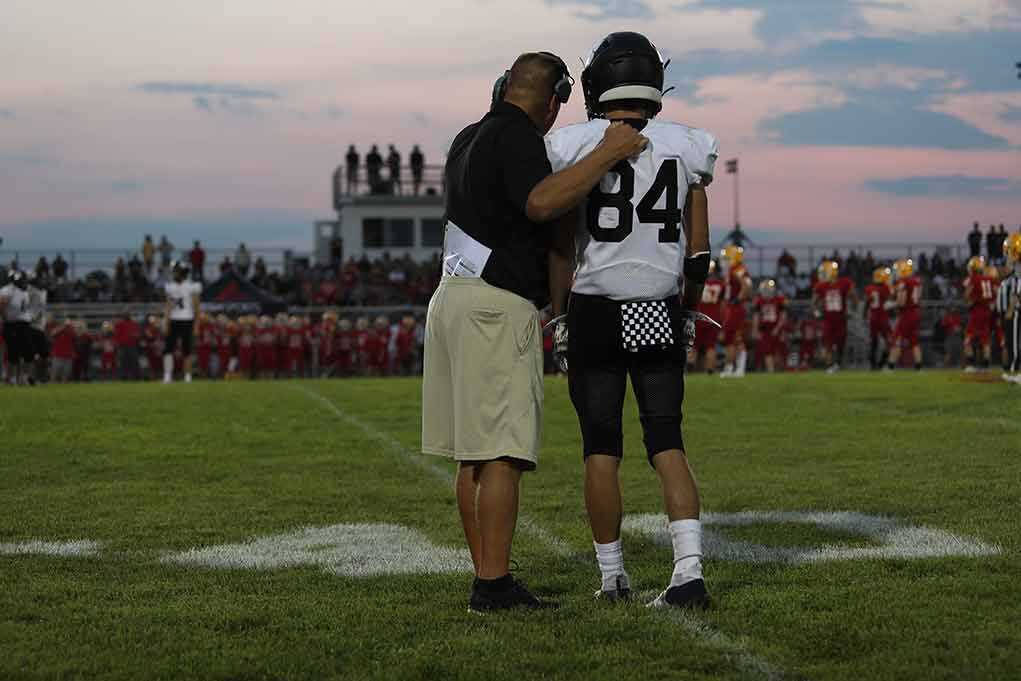
A 20-year-old college running back died after a sideline medical emergency moments after scoring his team’s only touchdown.
Story Snapshot
- William Jewell College confirmed MicahJo Barnett died after a medical emergency during the season opener.
- Reports say trainers and medics treated Barnett on the sideline before he was taken to a hospital.
- The game against Fort Lewis College was suspended following the incident.
- A campus vigil and counseling support were set for students and teammates.
What Happened On The Field In Liberty, Missouri
William Jewell College said junior running back MicahJo Barnett died after a medical emergency during the team’s home opener in Liberty, Missouri. The school identified Barnett and shared condolences with his family, team, and the campus community. Media reports say medical staff worked on the sideline for several minutes before an ambulance took him to a hospital, where he was pronounced dead. The cause of the emergency was not released by the school or local officials at the time of reporting.
The game against Fort Lewis College was suspended after the incident as players and coaches processed the shock. Local coverage noted Barnett had scored the game’s first and only touchdown late in the opening quarter before the emergency unfolded. William Jewell College announced a vigil on campus and said counseling and pastoral care were available to students, staff, and the football program. The school’s message focused on honoring Barnett’s life and supporting those who knew him best.
How Schools Prepare For Rare Sports Emergencies
Sports medicine groups say sudden medical events in football are uncommon but do occur across levels of play. The National Center for Catastrophic Sport Injury Research tracks such cases and reported 10 exertional or medical football fatalities in 2024, including two at the college level. A review in a leading sports medicine outlet stresses that every program needs a clear emergency action plan, quick access to defibrillators, and trained responders on site to improve survival odds when seconds count.
Medical literature explains that sudden cardiac events are a leading cause of athlete deaths during exertion, while trauma, heat illness, and rare conditions also play roles. Researchers have documented cases where athletes received fast cardiopulmonary resuscitation and advanced care but still died later at a hospital, underscoring how lethal some events can be even with rapid help. These facts highlight why organized, practiced response plans matter on every sideline, from small colleges to major programs.
What This Means For Players, Parents, And Programs
Parents, coaches, and athletes want straight answers and strong safety standards. Evidence-based steps are clear: keep automated external defibrillators visible and charged, rehearse emergency roles before games, confirm open access for ambulances, and document clear handoffs to local hospitals. Athletic departments can also review pre-participation screenings, heat and hydration rules, and equipment checks. These are practical, local decisions that save lives and do not require new federal mandates.
William Jewell junior running back MicahJo Barnett died Saturday, August 29, after a medical emergency on the sideline at Greene Stadium, shortly after a first-quarter touchdown against Fort Lewis. The game was stopped and canceled. The school and Liberty are mourning with his…
— Dave Mook (@DaveMook3) August 30, 2026
Community support now turns to Barnett’s family and teammates. Facts from the school and respected outlets establish the sequence: a medical emergency on the sideline, rapid care, hospital transport, and a tragic death. Investigators and medical authorities will determine cause in due time. For now, the focus is on care, faith, and common-sense safety steps that honor a young man’s memory and protect other athletes under the Friday night lights and Saturday sun.
Sources:
thegatewaypundit.com, nytimes.com, jewellcardinals.com, reuters.com, usatoday.com, sports.yahoo.com, wbal.com