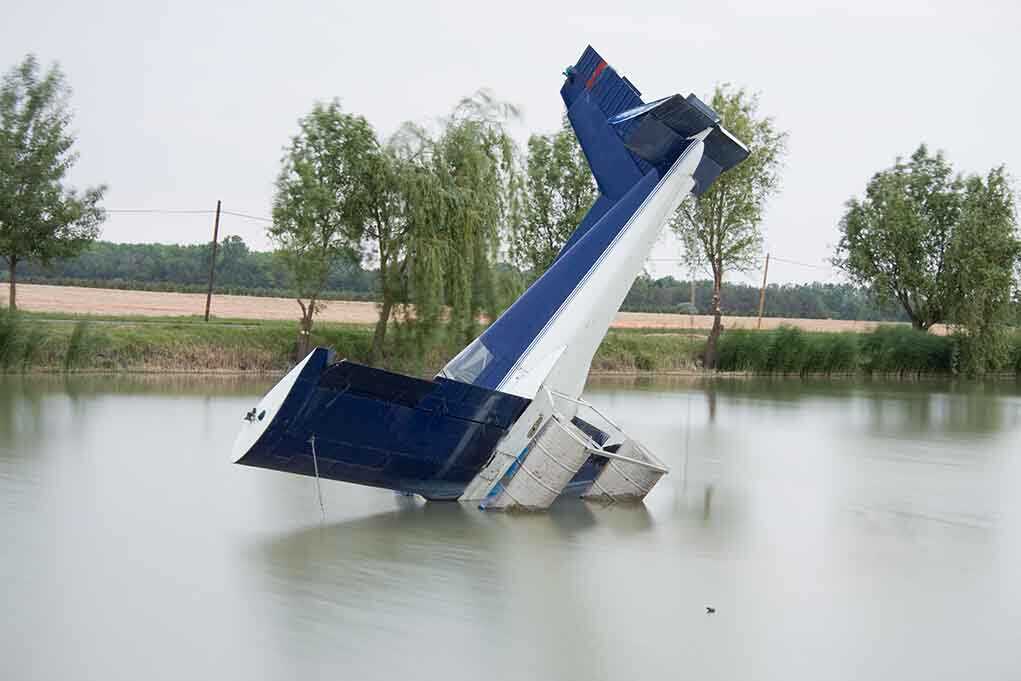
Rep. Tom Tiffany swam to shore after his plane lost power and ditched into Lake Wausau — and he walked away with only minor injuries.
Story Snapshot
- Tiffany says the plane lost power near Wausau and made a water landing; both men survived with minor injuries.
- Local outlets report the two called 911, exited as the aircraft sank, and swam to shallow water.
- First responders took Tiffany and the pilot to a hospital for evaluation and treatment.
- Investigators commonly review power-loss ditchings; drowning risk often follows the landing, not the touchdown.
Power Loss Leads To Emergency Water Landing In Lake Wausau
Rep. Tom Tiffany said a small plane carrying him home lost power as it approached Wausau Downtown Airport on Saturday night. He wrote that the pilot executed an emergency water landing on Lake Wausau. After the splashdown, he said they called 911, got out as the plane began to submerge, and swam toward shallow water. His account matched early reports from local media and his campaign, which identified a four-seat aircraft and a power-loss event near the airport.
Local news described a quick response by emergency crews on the lake and along the shoreline. Reporters said rescuers reached Tiffany and the pilot and brought them to a nearby hospital. Doctors treated both for minor injuries and released updates through the evening. Coverage emphasized the power failure, the controlled water landing, and the short swim to safety. It also noted Tiffany had been returning from a Republican dinner event in La Crosse County earlier that night.
911 Call, Swift Rescue, And Hospital Evaluation
Station reports and wire summaries said the pair called 911 right after the aircraft came to rest in the water. They exited the cabin as water rose and started to swim. Emergency crews met them, gave aid, and moved them to a hospital for checks. The Boston Globe reported that responders treated both men for minor injuries. The sequence followed standard rescue steps for small aircraft ditchings close to shore and near populated areas with quick access to care.
Broadcast and radio partners referencing Tiffany’s team said the airplane, described as a Bonanza-type four-seat model, lost power on approach. That forced the pilot to choose Lake Wausau as the safest option. Early local coverage framed the outcome as a fortunate save thanks to calm actions in the cockpit and a short glide path to the water. Reporters added context about the candidate’s travel schedule and confirmed that no other passengers were aboard the aircraft that night.
Why Most Water Landings Are Survivable
National Transportation Safety Board reports and museum analyses show that emergency water landings are often survivable when pilots control speed and attitude. Aviation guides explain that pilots aim to slow near stall speed, keep the nose slightly up, and touch down aligned with the water state. Studies also find that most deaths after ditching come from drowning or exposure, not the touchdown itself. Quick egress, flotation, and fast rescue make the difference in those minutes after impact.
More details about the emergency plane landing involving GOP candidate for governor Tom Tiffany.
The Marathon County Sheriff’s Office says Tiffany was one of two people aboard the plane that went down on Lake Wausau. Both Tiffany and the pilot swam to shallow water: https://t.co/8NnkQI1JDz pic.twitter.com/P8kCDNUOUk
— A.J. Bayatpour (@AJBayatpour) September 13, 2026
Federal crash records also show many power-loss cases end in controlled landings with causes determined later, sometimes as undetermined engine issues after thorough checks. That pattern supports what we see here: a sudden loss of power, a controlled descent, and a survivable water landing. Investigators typically review maintenance logs, fuel quality, and engine components before they list a cause. Local and federal authorities often share updates once they complete those steps in coming days or weeks.
A Close Call That Highlights Preparedness And Grit
Saturday’s close call underscores two realities that matter to every traveler and pilot. First, training and calm choices save lives when machines fail. Second, local first responders in our communities stand ready when seconds count. Tiffany’s description of a clean ditching, a clear 911 call, and a steady swim to shore shows how personal responsibility pairs with public service. That is the kind of grit and readiness many Wisconsinites expect from neighbors and leaders alike.
Sources:
mediaite.com, wsaw.com, fox11online.com, bostonglobe.com, bbc.com, nytimes.com