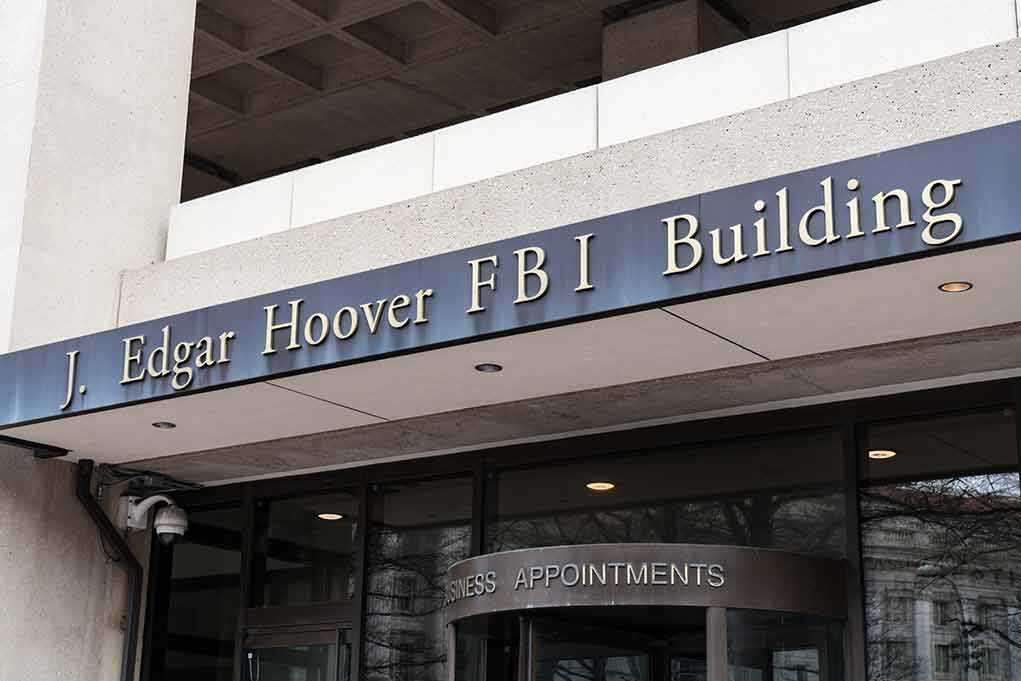
Federal data show a record drop in violent crime and homicides, yet many Democrats downplay the improvement that began accelerating under President Trump’s enforcement push.
Story Highlights
- The Federal Bureau of Investigation reported a sharp 2025 drop in violent crime and murders.
- Major cities like Washington, D.C., and Memphis reported sizable local declines in 2025.
- Trump tied the gains to federal and National Guard actions in targeted cities.
- Independent experts say multiple causes contributed, and the decline started in 2022.
Federal Numbers Mark A Historic Turn In 2025
The Federal Bureau of Investigation said violent crime fell an estimated 9.3 percent from 2024 to 2025. The agency also reported murder and non-negligent manslaughter dropped 18.1 percent in 2025. The homicide rate was about 4.1 per 100,000 people, tying the lowest rates since the 1950s, according to national reporting on the same data. These figures are preliminary estimates from the bureau’s early release and can be refined, but the direction and scale were clear and large.
Reporters highlighted that the 2025 decline was among the strongest in decades. Axios noted the drop in violent crime was the largest in about 90 years based on the Federal Bureau of Investigation’s estimates. The size of the fall matters to families who have lived through years of unrest, carjackings, and rising fear. A safer country supports free movement, small business growth, and the right of citizens to live without constant threat, which is central to preserving liberty.
Visible Federal Enforcement And Local Results
President Trump linked the improvement to federal action, including deployments and assistance in Washington, D.C., Memphis, and other cities. Contemporaneous accounts described National Guard support and a shift in Department of Justice priorities during 2025. The Council on Criminal Justice recorded moves toward expanded federal authority, program changes, and targeted interventions during that period. Those actions sent a clear message: lawbreakers would face swift consequences and victims would get help.
Several cities reported concrete progress that residents could feel. Reports cited a 27 percent decline in major crimes in Memphis and an 18 percent decline in violent crime in Washington, D.C., alongside drops in murders, fatal shootings, armed robberies, and carjackings in New Orleans during 2025. These gains tracked with the period of federal involvement and tougher enforcement rhetoric. While every city is different, parents, shop owners, and commuters all benefit when offenders know there will be a real response.
Why Some On The Left Shrink From The Story
Democratic messaging often frames crime as complex and resistant to simple fixes. That view is partly fair, but it also blunts credit when enforcement works. Independent experts say the decline began in 2022 under President Biden and continued through 2025 under President Trump. The Council on Criminal Justice says many forces likely contributed and that no single cause explains the national pattern. Those points are real. But they do not erase the timing, scale, and visibility of 2025 enforcement moves.
Skeptics argue that different cities pursued different strategies, so a single national policy cannot get all the credit. Adam Gelb of the Council on Criminal Justice underscored that rates fell across places with different leaders and plans. That is also true, and it is a useful caution. Yet voters can still judge leadership by results. The federal government set a tone in 2025: restore order, support police, and shield families. That leadership aligns with common sense and the rule of law.
What We Know, What We Do Not, And What Matters Now
Researchers cannot yet assign exact shares of credit. The Federal Bureau of Investigation data measure outcomes, not which single policy did the work. The Council on Criminal Justice describes a mix of factors, from policing to social changes, behind the fall. That means claims of perfect causation go too far. It also means partisan attempts to deny any connection to enforcement go too far. The public deserves the full record, not cherry-picked talking points.
Here is the bottom line for readers who demand safe streets. First, 2025 delivered one of the biggest improvements in modern times, including a steep homicide drop. Second, the Trump administration paired tough words with visible federal help in key cities. Third, many cities posted wins that families could see on their blocks. Going forward, leaders should keep proven enforcement tools, reject soft-on-crime experiments, and guard constitutional rights while holding violent offenders accountable.
Sources:
pjmedia.com, fbi.gov, abcnews4.com, apnews.com, washingtonexaminer.com, axios.com, counciloncj.org