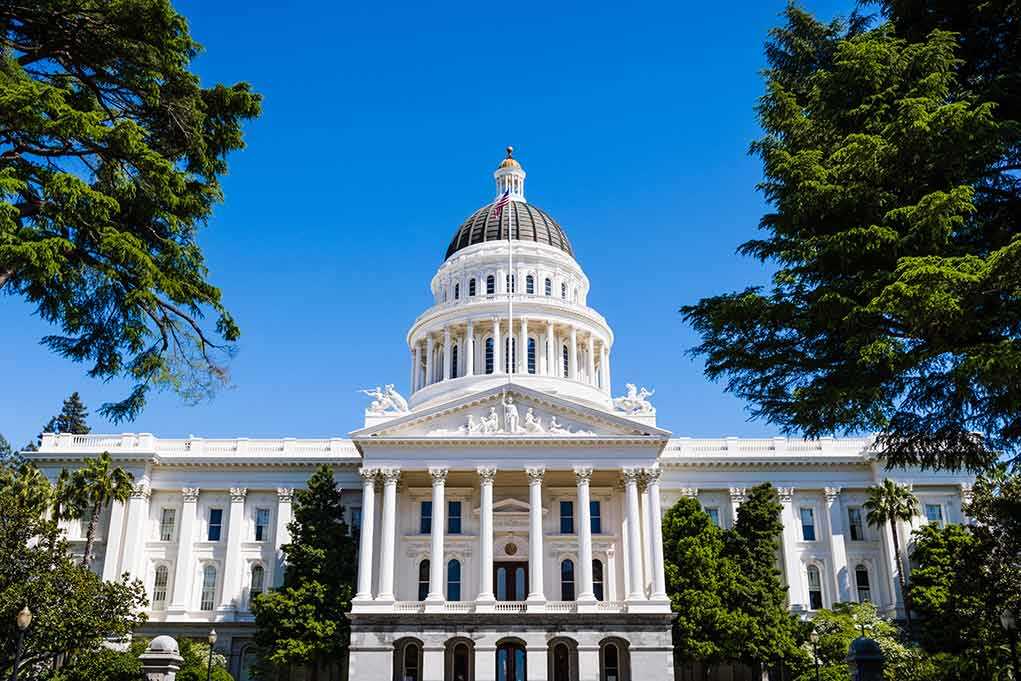
California’s Proposition 40 would impose a one-time 5% tax on billionaire wealth, setting up a legal and economic clash with national ripple effects.
Story Highlights
- Prop 40 would tax 5% of billionaire net worth, due in 2027, payable over five years.
- Critics warn the retroactive residency rule faces serious constitutional problems.
- Economists caution the tax could shrink long-run revenue as wealth and startups exit.
- Backers say the measure funds health care, but opponents fear budget instability.
What Proposition 40 Would Do and When the Tax Hits
California voters will decide in November 2026 whether to approve Proposition 40, a one-time wealth tax on billionaires. The official analysis says residents worth at least $1 billion on the set date would owe 5 percent of net worth. The tax would be due in 2027, with an option to pay over five years. The measure targets those who were California residents on January 1, 2026, and would value assets on the set assessment date.
Supporters brand the measure as a way to boost funding for state health programs. The title refers to a one-time wealth tax for state-funded health care. Proponents argue that a narrow base and a single charge make it manageable. They claim the measure would raise a large sum without raising income taxes on workers or small businesses. The campaign frames the plan as “pay once, invest long term,” with installment payments easing liquidity issues for asset-heavy taxpayers.
Why Critics Say the Measure Risks Jobs, Startups, and Revenue
Opponents warn the tax would speed capital flight and hurt startup founders who are rich on paper but short on cash. Mark Cuban argued the design could force founders to sell major stakes to meet a sudden bill, damaging growth companies. Editorial boards and analysts add that after recent high-earner exits, more departures would mean lower income-tax collections. They say the state could end up with less revenue than promised once behavior changes are counted.
The Hoover Institution’s Proposition Lab highlights the risk of permanent income-tax losses from departing billionaires and reduced activity at their firms. Critics also question revenue estimates near the $100 billion mark. They argue the figure overstates what can be collected even before accounting for moves, asset shifts, and valuation fights. This view warns that a one-time cash surge could trade away stable, recurring revenue that funds schools and safety services.
The Legal Fight Over Retroactivity and Valuation Rules
Legal analysts say the measure’s retroactive residency date could face strong court challenges. A Tax Foundation review argues that imposing a “wholly new” tax tied to prior residency runs against United States Supreme Court guidance. It also flags concerns with apportionment and internal consistency. These claims suggest long litigation, delayed collections, and refund risks that could upend budget plans tied to projected proceeds.
🇺🇸 Nobel economists throw support behind California billionaire tax
A ballot initiative that would impose a wealth tax on California's billionaires could be the start of a global trend, according to six Nobel Prize-winning economists. In a letter, (https://t.co/vYnu4IGCXx) they… pic.twitter.com/eIZTvMubaA
— QSI Media – News, Analytics, World. (@MediaQSI) September 21, 2026
California tax advocates add that the proposal’s valuation, residency, and apportionment rules are hard to administer at scale. A California Tax Foundation paper calls the timeline unrealistic, given complex assets like private companies, intellectual property, and art. If courts strike parts of the system, or if audits lag, the state may spend years chasing a shrinking base. That would leave families and small businesses facing the same old high taxes and high costs, with little to show for the turmoil.
What This Means for Conservatives and the National Debate
California’s vote could spark copycat measures in blue states, or even in Congress. Fortune reported backers see a “movement” that could spread worldwide if voters approve Prop 40. For conservatives, that raises the stakes beyond California’s border. A tax built on retroactive rules and vague valuations does not stop at billionaires. It builds new legal ground for taxing savings and investments, while pushing jobs and innovation to friendlier states led by President Trump’s growth agenda.
Sources:
pjmedia.com, theguardian.com, bdo.com, foley.com, latimes.com, taxfoundation.org, fortune.com, ocregister.com