
A federal immigration agent shot and wounded a man in North Austin, triggering a city investigation and a loud push for rapid video release.
Story Highlights
- A federal immigration agent shot and wounded a man in North Austin on Sunday.
- Austin officials said city police were not involved and key details remain unknown.
- The injured man was taken to a hospital and was alert and talking, officials said.
- Rep. Greg Casar demanded an independent probe and release of body camera footage.
What Happened on West Anderson Lane
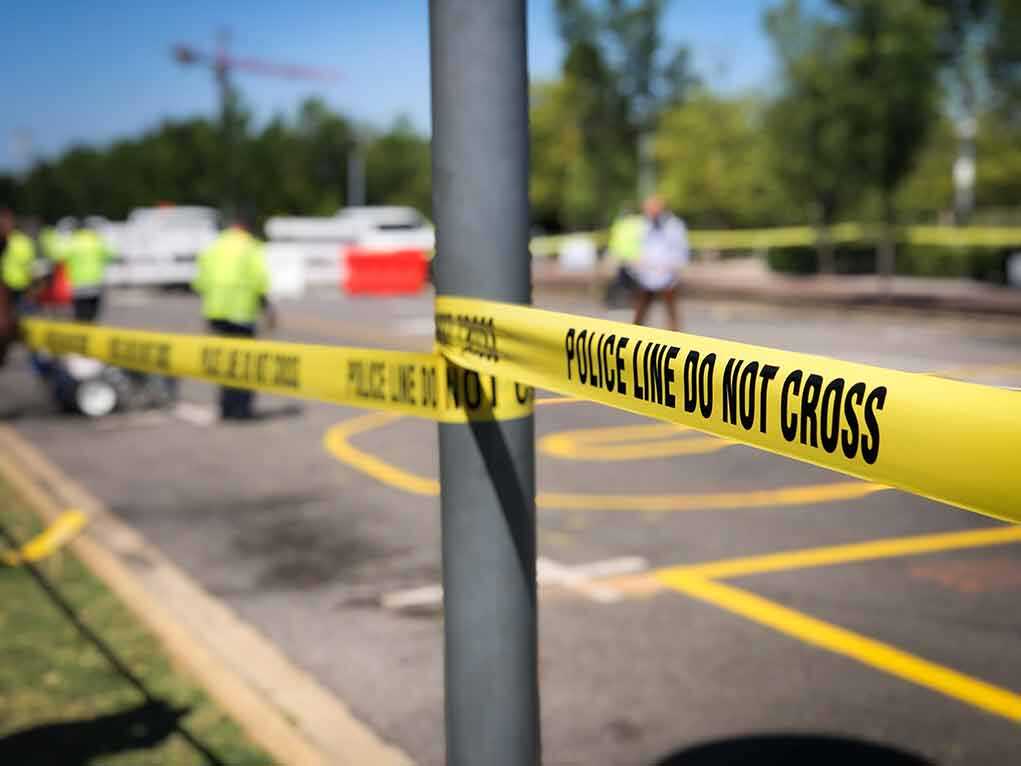
Authorities said a federal immigration agent shot and wounded a man Sunday in North Austin. Multiple outlets reported the scene centered near the 7000 block of West Anderson Lane, where police tape and damaged vehicles marked the area. City communications stated Austin police officers did not take part in the encounter. Officials did not release names or the specific federal unit. Early reports focused on the federal role, with state and local responders managing the aftermath.
A city update said Austin-Travis County emergency medical crews took the injured man to a hospital. Officials said he was alert and talking when transported, which signaled non-fatal wounds after the shot or shots were fired. Several reports described a dark blue Toyota Corolla at the scene with visible damage and what appeared to be bullet holes, underscoring that this was a serious use-of-force event rather than a routine stop. Officials did not detail the cause of the shooting or the full sequence.
City Response and Calls for Transparency
Austin officials told council members that the Austin Police Department did not engage in the incident and that the cause remained unknown based on the information they had shared. That message kept focus on federal actions and left the timeline open pending review. The city announced a press conference to address the situation, signaling that officials viewed the matter as significant and still developing for the public record. No federal investigative file had been publicly released at the time of those reports.
United States Representative Greg Casar called for “a full, independent investigation” and the “immediate release of the body camera footage,” placing quick transparency at the center of the response. Coverage also noted that a Texas Department of Public Safety spokesperson identified the location and said United States Immigration and Customs Enforcement was handling the investigation in that area, further confirming the federal lead on next steps. Agencies did not provide a detailed narrative of events in those early updates.
Accountability, Body Cameras, and Federal Policy Context
Public debate often turns to video after force is used. Policy reporting explains that United States Immigration and Customs Enforcement body camera release decisions can depend on whether leaders believe release serves the agency’s interests, which can create friction when local officials and the public want footage right away. Research on body-worn cameras shows mixed results on reducing force or complaints, but it affirms that video can help document encounters and anchor accountability when facts are disputed.
Man injured in shooting by ICE officer in North Austinhttps://t.co/ZaZtvjl1W3
— Chris Knutson (@ChrisK107359) September 21, 2026
Federal law enforcement officers have authority to use force while enforcing federal immigration law, including deadly force when reasonably necessary to defend themselves or others. That standard rests on what a reasonable officer would do in that situation, and it is tested by facts gathered in an investigation. Video, dispatch logs, and scene forensics typically shape that assessment and inform whether tactics met policy and the law in a fast-moving encounter.
What Conservatives Should Watch Next
Conservative readers should track three concrete items. First, whether federal officials release body camera and any dashboard camera footage promptly, with minimal redactions that would hide key actions. Second, whether the federal investigative timeline provides a clear minute-by-minute account supported by dispatch data and scene evidence. Third, whether local leaders focus on facts rather than politics, since frontline agents face real threats while enforcing laws Congress passed.
This case also tests cooperation among city, state, and federal partners. President Trump’s administration expects law enforcement to carry out immigration laws while respecting constitutional rights. Clear, fast disclosure can protect honest officers and reassure the public. A steady process—collect evidence, release video when it does not compromise the case, and publish a full after-action review—supports both officer safety and community trust. Officials have acknowledged gaps in public details; formal updates should address them.
Sources:
townhall.com, statesman.com, texastribune.org, wrganews.com, themirror.com, news.meaww.com, foxbusiness.com, yahoo.com