

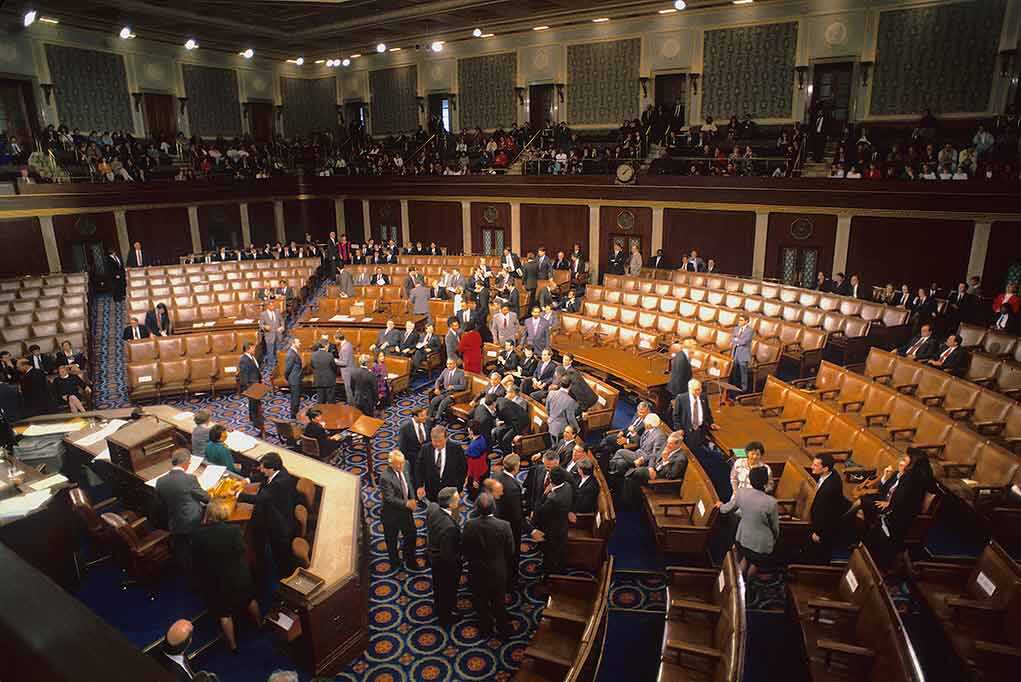
The House’s sweeping vote to make Daylight Saving Time permanent now puts pressure on the Senate to finish the job and end the twice-yearly clock change that wastes time, harms health, and invites crime.
Story Highlights
- The House passed the Sunshine Protection Act to lock in permanent Daylight Saving Time.
- President Trump backs the change and is pushing the Senate to act.
- The bill aims to cut crime, crashes, and health harms tied to clock changes.
- The Senate’s support remains uncertain despite broad public frustration.
House Passage Sets Up a High-Stakes Senate Test
The United States House of Representatives voted to make Daylight Saving Time permanent nationwide, ending the practice of changing clocks twice each year. The Sunshine Protection Act, sponsored by Representative Vern Buchanan of Florida, passed with strong bipartisan support and moved to the Senate the next day. The bill makes Daylight Saving Time the new permanent standard. That means more evening daylight year-round if it becomes law. The Senate will now decide if Americans keep that extra hour of light.
Congressional records show the Senate received the bill and sent it to the Committee on Commerce, Science, and Transportation for review. Reporters note Senate support is unclear, even with broad public frustration over clock switching. A similar push cleared the Senate in 2022 but stalled later, showing how the issue often bogs down despite wide voter interest. The current effort has more momentum, yet it still needs a clear path to sixty votes in the Senate.
Trump and House Leaders Frame It as Safety and Health Reform
President Trump supports ending the biannual clock change and has engaged Senate leaders to advance the bill, according to Capitol Hill reporting. House committee leaders highlighted the benefits they see: fewer car crashes, lower crime, and better sleep by avoiding sudden time shifts. The bill’s title, Sunshine Protection Act, captures the core aim: give families more daylight in the evening for work, school, church, and sports. Lawmakers say this is a practical quality-of-life fix, not another bloated program.
The Congressional Research Service explains the policy mechanics: the bill advances standard time by one hour to establish permanent Daylight Saving Time, while allowing certain state exemptions already in law. The Department of Transportation notes it oversees uniform observance but cannot itself change or repeal the policy, which must come from Congress. That is why House action matters. It puts the decision squarely before the Senate to set one clear national rule and end confusing time changes.
Why Many Conservatives See This as Common-Sense Relief
Supporters argue that permanent Daylight Saving Time means safer streets and saner schedules, without new bureaucracy. More light in the evening can deter crime and help small businesses that rely on after-work customers. Ending clock changes can reduce workplace errors and health stress that hit families every spring and fall. Backers say this keeps government out of people’s sleep cycles and daily rhythms. It is a simple rule change that respects time, work, and family routines.
Many states have asked to make Daylight Saving Time permanent, but they need federal approval to do it, which is why Congress must act. The current Uniform Time framework prevents states from going permanent on their own unless federal law allows it. The House vote responds to years of state resolutions and voter complaints. Ending the whiplash of clock changes is one way to cut hidden costs, from hospital visits after the spring jump to morning commute crashes and school schedule chaos.
What Happens Next and What Could Change for Your Family
If the Senate passes the bill and President Trump signs it, Americans would stop “springing forward” and “falling back” every year. Mornings in parts of the country would be darker in winter, while afternoons would be lighter. Supporters say the trade favors family safety and freedom, since more people are out and about after work than before dawn. The shift would also make calendars, school sports, and church events more stable across the seasons.
I absolutely OPPOSE the Sunshine Protection Act! We don't need more DARKNESS in the winter mornings! We need MORE! DST would permanently codify DARKNESS in the middle of winter when so many are already suffering from Seasonal affective disorder (SAD), not to mention having to…
— LivinForTruth (@LivinForTruth1) August 13, 2026
If the Senate stalls, the status quo returns: more lost sleep, more confusion, and more hidden costs. Senate leaders admit the vote count is unclear, but pressure is rising from families, drivers, and small businesses who want reliable time and safer evenings. The House did its part. The Senate now decides whether to deliver a clear win for health, safety, and common sense or keep a broken system that most Americans are ready to end.
Sources:
reuters.com, congress.gov, transportation.gov, energycommerce.house.gov, usatoday.com