
Taiwan’s biggest war games are now built around the fear of a Chinese attack and a shaky question about U.S. backing.
Quick Take
- Taiwan launched its annual Han Kuang drills to test real combat readiness against China.
- The exercise now includes internet slowdown tests, reserve mobilization, and continuity-of-government drills.
- Officials say the drills answer China’s gray-zone pressure and possible invasion threat.
- The public record supports Taiwan’s fear, but it does not prove an imminent invasion.
Taipei Treats the Threat as Real
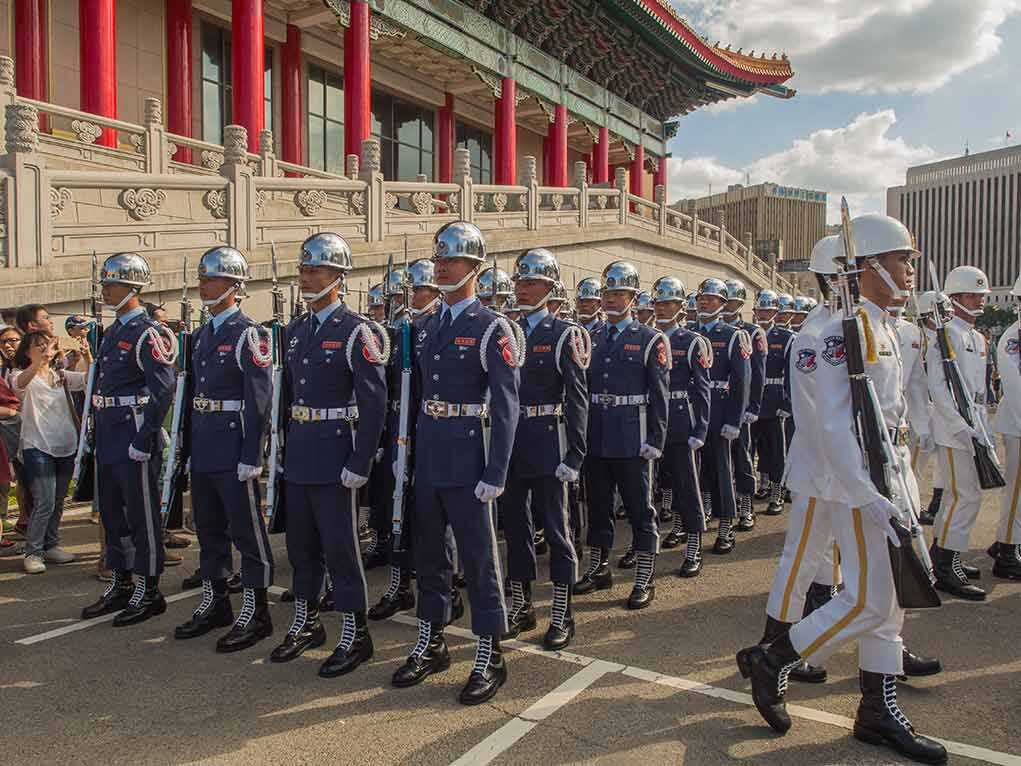
Taiwan began the 10-day Han Kuang exercise on August 5 to test commanders under pressure and prepare for a possible Chinese invasion. Reuters reported that the drills are meant to push leaders to act fast when enemy moves do not match expectations. The exercises also include live troops, live terrain, and live equipment, which makes them far more than a public show.
The scale of the drill shows how seriously Taipei takes the threat. Focus Taiwan said the exercises have been Taiwan’s primary war games since 1984 and are aimed at combat readiness in the event of a possible Chinese invasion. Reuters added that the live-fire phase runs for 10 days, while the broader Han Kuang schedule has expanded to include work on dispersing command centers and keeping the government functioning during crisis.
Readiness Now Includes Civilian Survival
Taiwan’s planners are no longer thinking only about tanks and jets. Reuters reported that this year’s exercise includes the deliberate slowing of mobile internet speeds for the first time, so officials can see how civilians would communicate if bandwidth gets tight. The same reporting says the drill includes fighter dispersals, emergency naval deployments, and resilience tests for local officials during cascading crises.
That focus matters because Taiwan is training for disruption, not just battlefield contact. Focus Taiwan said the 2026 drill again lasts 10 days and nine nights and targets decentralized command and control, as well as updated rules of engagement designed to counter China’s intensifying gray-zone tactics. Reuters also reported that President Lai Ching-te and his team rehearsed the continued functioning of government during emergency situations.
Questions About U.S. Support Hang Over the Drill
The exercises also sit inside a wider political worry: whether Taiwan can count on the United States in a crisis. The research package explicitly ties the story to questions about President Trump’s support, and that uncertainty matters because Taiwan’s deterrence plan depends in part on outside help. Reuters said the Han Kuang drills are designed to bolster preparations should China make good on its vow to take Taiwan by force if necessary.
Taiwan simulates Chinese assault, to throttle mobile internet in war games
Taiwan's military simulated repelling a Chinese air landing assault on the Penghu Islands as part of its annual Han Kuang war games. For the first time, mobile internet speeds will be deliberately slowed…
— PiQ (@PiQMarkets) August 10, 2026
For conservatives, the broader lesson is straightforward. Taiwan is doing what any free society should do when a hostile power keeps applying pressure: train, harden, and prepare. The public evidence in this record shows a real defensive effort, but it does not show a Chinese invasion order or a fixed timetable. That means the threat is serious, but the worst-case claim still rests on preparation and warnings, not on direct proof of imminent war.
What the Record Does and Does Not Prove
The evidence strongly supports Taiwan’s own view that the threat environment is worsening. Reuters and Focus Taiwan describe longer drills, command flexibility tests, civil resilience work, and counter-gray-zone planning. The exercises now cover blockade response, coastal defense, reserve mobilization, and continuity of government, which shows Taipei is planning for a conflict that could reach far beyond the battlefield.
At the same time, the record stops short of proving a coming invasion. The sources provided here document Taiwan’s fears, not a Chinese operational order, deployment log, or timetable. That limitation matters. It means the smart reading is not panic and not dismissal, but a clear-eyed view that Taiwan is preparing for a threat it believes is real and growing.
Sources:
cbsnews.com, reuters.com, youtube.com, france24.com, focustaiwan.tw