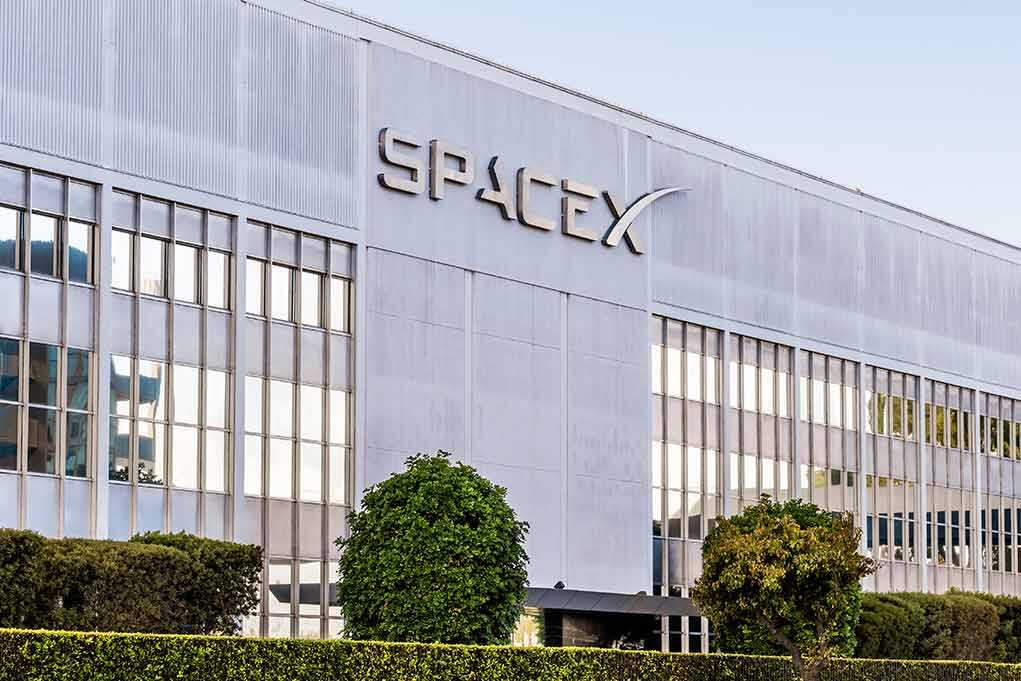
SpaceX is set to add another batch of Starlink satellites to orbit from Cape Canaveral, and the mission is already drawing attention because it shows how routine launches now power a growing national space network.
Quick Take
- SpaceX says Falcon 9 is targeting 29 Starlink satellites for launch from Cape Canaveral Space Force Station.
- Several launch trackers list the mission as Starlink Group 10-19 and show a launch window on August 10, 2026.
- The payload is described as a communications mission to low Earth orbit, with SpaceX listed as the customer.
- Public trackers and webcast pages are already treating the flight as part of SpaceX’s busy launch cadence.
SpaceX Keeps Starlink Cadence Moving
SpaceX’s mission page says Falcon 9 is targeting 29 Starlink satellites for launch to low Earth orbit from Space Launch Complex 40 at Cape Canaveral Space Force Station in Florida. The company’s launch page also lists the mission under Starlink Group 10-19, which places it inside SpaceX’s broader 2026 launch schedule. Public launch trackers show the same basic plan, with the flight marked go for launch and set for August 10, 2026.
The mission is another reminder that Starlink has become a steady part of SpaceX’s work, not a rare event. Launch pages describe the payload as a batch of Starlink v2 mini satellites, and one tracker lists SpaceX as the customer. That matters for readers who want to follow what the company is actually doing with each flight, because the launch is not just about a rocket leaving the pad. It is also about expanding a satellite system that now supports internet service from orbit.
What the Public Record Shows
Public launch sites give a fairly clear picture of the mission profile. They place the rocket at Cape Canaveral Space Force Station, set the destination as low Earth orbit, and describe the trajectory as northeast. One live coverage page also identifies booster B1085 on its 18th flight, which reflects the reusable hardware model that has helped SpaceX push launch costs lower and cadence higher. That reuse is now a central part of how SpaceX operates.
For readers who track space policy and American industry, the bigger point is simple. SpaceX is still building out the Starlink system at a pace that would have seemed impossible a generation ago. The company’s launch page says this mission is part of its active 2026 manifest, and outside trackers echo that it is one more flight in a long line of Falcon 9 missions. In practical terms, that means more satellites, more launches, and more pressure on rivals to keep up.
Why This Flight Matters
The launch also shows how much modern space coverage depends on a mix of official company pages, launch trackers, and live webcast coverage. SpaceX gives the core mission facts, but outside sites fill in the launch window, booster history, and timing details. That is useful for readers who want fast, accurate updates, but it also means the public often learns the most about a mission before the rocket has even cleared the tower. For a high-cadence program, that is now normal.
Another clean Falcon 9 launch and 24 more Starlink satellites on their way! Those photos of the climb out of California look incredible. 🚀
— Robert Williams || ⚒️💻 (@Robert_recov) August 10, 2026
Some details remain limited in public view. The launch record makes clear that SpaceX is carrying Starlink satellites, but the available research does not add extra technical detail about each spacecraft’s full operating plan beyond the launch itself. Even so, the core facts are firm: SpaceX is preparing a Falcon 9 mission from Florida, the payload is 29 Starlink satellites, and the flight fits the company’s fast-moving launch rhythm.
Sources:
spacex.com, spaceflightnow.com, facebook.com, rocketlaunch.org, instagram.com