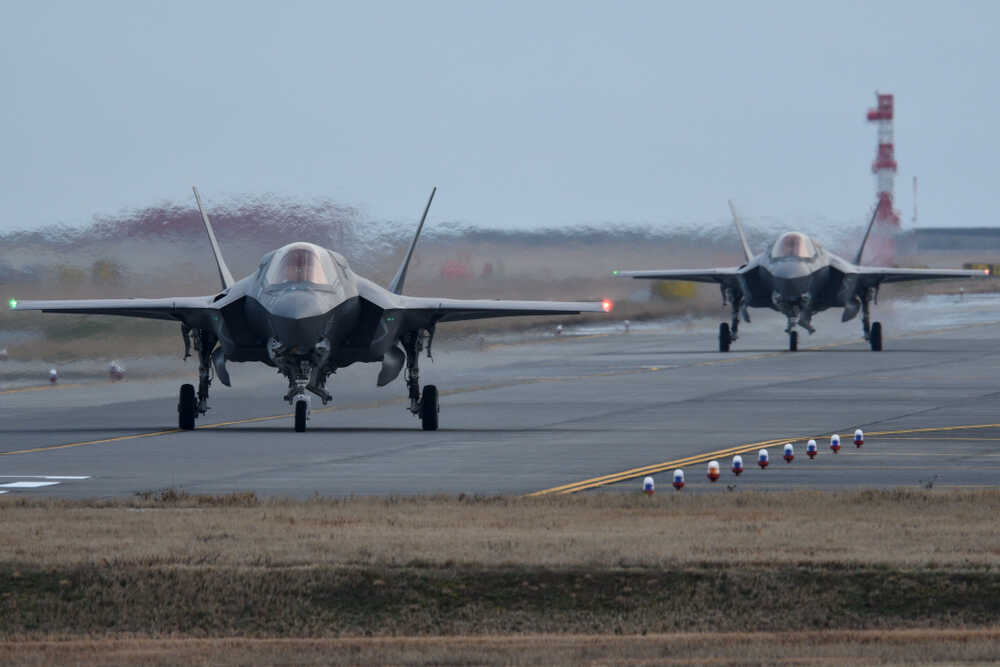
A $2 trillion fighter jet program is forcing Congress to ask a simple question: why can’t our own troops fix our own gear without begging defense contractors for permission?
Story Snapshot
- Lawmakers are using the F-35’s projected $2 trillion lifetime cost to push a military “right-to-repair” fight in the 2027 defense bill.[1]
- The House Armed Services Committee advanced language to give the services more access to technical data, software, and tools so they can repair equipment themselves instead of waiting on contractors.[1][2]
- Supporters say blocked access to parts, software, and repair data is driving delays, high sustainment costs, and weaker readiness for frontline units.[1]
- Critics warn that if Congress goes too far, it could trample intellectual property rights and expose sensitive technology, even as the Trump administration pushes to cut waste and sharpen readiness.
F-35 Costs Ignite a New Fight Over Who Gets to Turn the Wrench
The F-35 fighter jet program is now expected to cost about $2 trillion over its lifetime, and much of that bill is tied to long-term maintenance, spare parts, and contractor support rather than the jets themselves.[1] Members of Congress are increasingly saying enough is enough. They argue that the military often cannot fix its own aircraft and vehicles because it does not have the technical data, software tools, or diagnostic information locked up by contractors.[1] That frustration is now front and center in the debate over the fiscal year 2027 National Defense Authorization Act, where lawmakers are pushing military “right-to-repair” language that would let government maintain and repair more of its own equipment.[1][2]
Supporters of right-to-repair inside the Pentagon and on Capitol Hill say this is about both money and readiness. Advocacy groups and budget watchdogs told Congress that the right-to-repair issue is one reason the F-35 suffers delays and costly maintenance problems, because troops cannot get the data and tools they need to fix jets quickly. The House Armed Services Committee’s markup discussion echoed that concern, with members stressing that readiness shortfalls can be traced to specific parts, software, and intellectual property that the services cannot fully access today.[2] They argue that if mechanics on base and at depots can do more work themselves, the military can cut contractor dependence, speed repairs, and keep more jets mission-ready while saving taxpayer dollars.[1][2]
What the 2027 NDAA Right-to-Repair Language Would Do
The fiscal year 2027 defense policy bill, H.R. 8800, includes new right-to-repair provisions that would expand military access to technical data, maintenance manuals, software tools, and diagnostic equipment needed to sustain major systems like the F-35.[2] Reporting on the chairman’s mark says lawmakers want to transition more F-35 sustainment from contractors to the military services by 2027, giving them greater responsibility and authority to manage their own fleets.[2] The bill would also direct the Pentagon to produce a detailed report listing all critical data rights needed for F-35 sustainment, the estimated cost to acquire them, current efforts to obtain them, and the obstacles standing in the way. That requirement shows Congress wants a clearer picture of exactly what technical information industry is holding and how that affects readiness and cost.
Beyond data rights, the same draft bill tackles F-35 sustainment from other angles. It would authorize multiyear purchases of the F-35 while tying them to better spare-parts planning and oversight, including a requirement that the Pentagon certify full spare packages for multiyear buys and develop a plan to address prior Government Accountability Office recommendations on F-35 sustainment. Lawmakers also propose adding about $300 million for F-35A spare parts, signaling that they see lack of spares as another driver of low mission-capable rates and high sustainment bills. Together, these steps reflect a broader push under the Trump administration and Congress to fix a broken maintenance system that has left America’s most advanced fighter too often grounded.[1]
Industry Pushback and the Ongoing Battle Over Intellectual Property
Defense contractors and some lawmakers are not happy with every part of this reform push. During the House Armed Services Committee markup, Representative Rob Wittman warned that the right-to-repair amendment could give the government “carte blanche” over contractor intellectual property and allow sensitive data to be handed off to third parties. That critique highlights real concerns on the industry side: companies argue that if the government forces broad data-rights transfers, it could weaken incentives to invest in new technology and create security risks if advanced designs or software leak. The chairman’s mark itself shows Congress is trying to balance these worries, since it still requires certain sensitive electronic parts below small purchase thresholds to be bought directly from original manufacturers or authorized dealers instead of open markets.
F-35 Program's $2T Bill Fuels New Push for Right-to-Repair in 2027 NDAA https://t.co/1oC6kTZEqT
— Deen Coldwell III (@deen_iii) June 9, 2026
Policy experts say this fight over who controls the “wrench” is not new, but the F-35’s massive costs have made it impossible to ignore. For years, the Department of Defense has relied on long-term contractor logistics support, with technical data and software tightly held by industry rather than fully owned by the government. The Center for Strategic and International Studies describes the right-to-repair debate as a struggle over whether major weapon systems remain “fundamentally contractor-owned and -operated” during their sustainment life, or whether the government regains enough control to manage repairs and upgrades on its own. Groups like Taxpayers for Common Sense and The American Legion have urged Congress to include strong right-to-repair language in the fiscal year 2027 National Defense Authorization Act, arguing that service members deserve the ability to repair the gear they depend on in combat without unnecessary contractor delays.
Sources:
[1] Web – F-35 Program’s $2T Bill Fuels New Push for Right-to-Repair in 2027 …
[2] Web – FY27 NDAA Advances with New A-10 Oversight, C-UAS and Right …