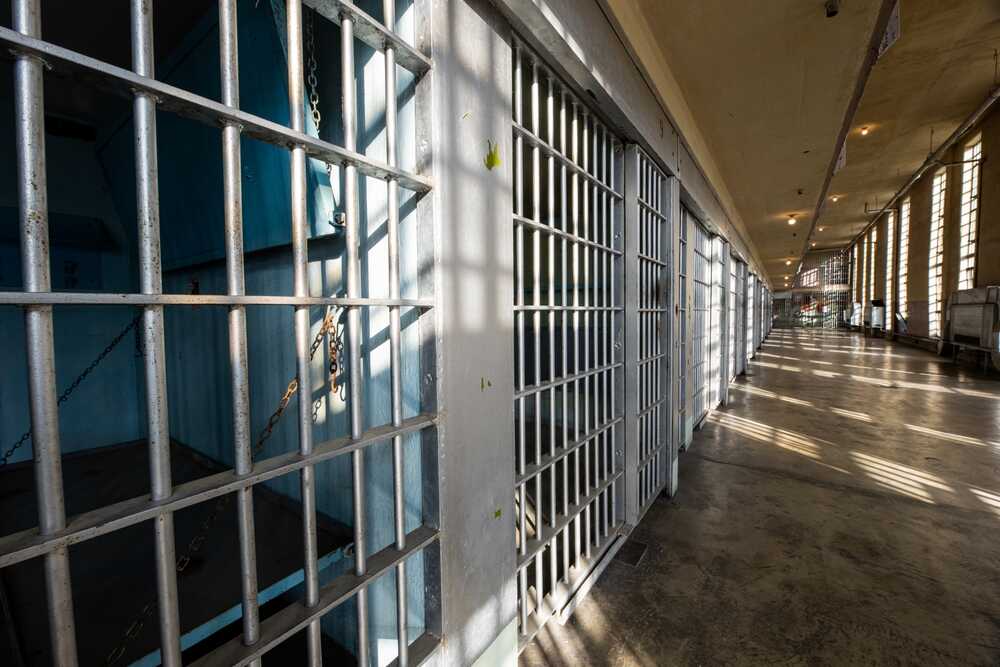
A new wave of suicide deaths in Immigration and Customs Enforcement (ICE) detention is exposing a custody system that looks bigger, harsher, and less accountable than ever.
Quick Take
- An Associated Press investigation found at least 10 detainees have died by suicide since President Donald Trump took office in January 2025, a pace described as unprecedented in ICE’s history.[1]
- NBC News reported five presumed suicides so far this year, along with 28 serious self-harm incidents from more than 1,000 recorded emergency calls at six detention facilities.[3]
- Experts cited in the reporting say delayed mental health care, isolation, and poor monitoring are central concerns, not just the growth in detention numbers.[1][2][4]
- Department of Homeland Security officials argue the deaths remain rare relative to the total detained population and say existing suicide-prevention protocols are in place.[3]
Suicide Spike Draws Fresh Scrutiny
Associated Press reporting found at least 10 detainees have died by suicide since January 2025, with the pace far above what ICE has seen in prior years.[1] NBC News separately reported five presumed suicides this year and said the total is the highest in at least two decades.[3] Those findings have turned detainee death reviews into a new flashpoint for critics who say the federal government is failing to protect people already in custody.
The reporting also shows the numbers are not limited to isolated tragedies. NBC News said it reviewed more than 1,000 emergency calls from six ICE facilities and identified 28 calls involving serious self-harm or suicide.[3] In the AP account, several deaths involved detainees who had been in custody for less than a month, which reinforces concerns that intake screening, observation, and early intervention may be breaking down when protection is most needed.[1]
Mental Health Care And Isolation Under Fire
The strongest criticism in the research centers on mental health care. A PubMed retrospective analysis of ICE custody deaths found major deficiencies in mental health care and described psychiatric symptoms, behavioral concerns, and refusal or interruption of care in reviewed cases.[2] The American Civil Liberties Union report also says ICE facilities have relied heavily on low-level providers and have often prevented detained patients from receiving care from doctors.[4] Together, those findings suggest more than simple bad luck.
Several sources link the risk to isolation and restrictive housing. AP reporting said staff moved some detainees into isolation cells that experts say can worsen helplessness and suicide risk.[1] Physicians for Human Rights said the continued use of solitary confinement in immigration detention is a failure of will, not knowledge, and argued that the system is now larger, more crowded, and less medically supported. That is a serious charge for any government claiming to enforce law and order humanely.
Government Defends The System As Rare And Managed
Department of Homeland Security officials are pushing back hard. NBC News reported that Homeland Security says suicide remains extremely rare and that detention deaths are about 0.009 percent of the detained population, which the department says is consistent with the past decade.[3] ICE leadership has also argued that the rising count tracks a larger detained population rather than a collapse in safety protocols.[3] That is the core defense now being used by the administration.
Even so, the public record supplied here does not fully settle the dispute. The case for systemic failure rests on repeated reports of delayed treatment, missed warning signs, and problematic use of isolation, while the agency’s rebuttal rests mainly on population size and rarity.[1][2][3][4] For readers concerned about constitutional limits, government accountability, and basic human decency, the larger issue is whether a detention system run by the federal government can still claim it is safeguarding people when preventable deaths keep piling up.
What Comes Next For Oversight
The most useful next step is transparent review. The research package points to the need for facility-by-facility audits of suicide-watch placement, monitoring logs, medical referrals, and housing records for each presumed suicide or severe self-harm event.[1][2][4] It also points to broader questions about whether current oversight is strong enough when the same agency that runs detention also controls much of the evidence after the fact. That is exactly where public trust tends to break down.
There is also a political reality here that conservatives will recognize immediately: when the federal government expands detention capacity, adds pressure to the system, and then asks the public to accept its own assurances, skepticism is not only reasonable but necessary.[3] A custody system with repeated death investigations, disputed classifications, and claims of rare risk should not be allowed to hide behind bureaucratic language while families and taxpayers are left with unanswered questions.
Sources:
[1] YouTube – Suicide deaths of ICE detainees surge to new high as experts see …
[2] Web – At Largest ICE Detention Camp, Staff Bet on Detainee Suicides, AP …
[3] Web – Retrospective Analysis of Deaths in Custody, 2018-2025 – PubMed
[4] YouTube – Homicide or Suicide? Controversy surrounds ICE detainee’s death