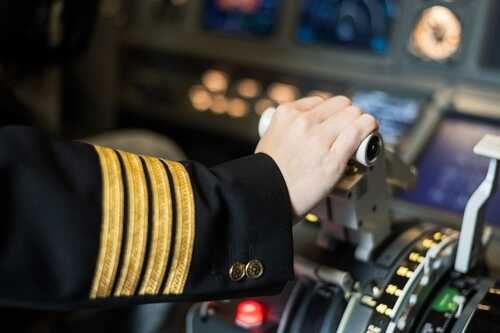
Captain Brandon Fisher, a hero pilot, is now in a legal battle against Boeing, claiming betrayal after the company allegedly deflected blame onto him for a manufacturing defect.
Story Highlights
- Captain Fisher sues Boeing, seeking $10 million in damages for alleged blame deflection.
- NTSB findings attribute the incident to missing bolts, exonerating the crew.
- Boeing initially commended the crew, later shifting liability in litigation.
- This legal battle could set a precedent for crew lawsuits against manufacturers.
Pilot Sues Boeing Over Incident
In January 2026, Captain Brandon Fisher filed a lawsuit against Boeing and Spirit AeroSystems in Oregon, seeking $10 million in damages following a frightening incident in January 2024. During Alaska Airlines Flight 1282, a door plug blew out at 16,000 feet, leading to rapid decompression. Fisher safely landed the plane back at Portland International Airport, with only minor injuries reported among passengers and crew. The National Transportation Safety Board (NTSB) later attributed the blowout to missing bolts, not pilot error.
Despite the NTSB findings, Fisher’s lawsuit alleges that Boeing unfairly blamed him and the crew in litigation filings related to passenger lawsuits. This accusation comes after Boeing initially praised the crew’s actions through a memo by Stan Deal, Boeing’s CEO at the time. The lawsuit claims this blame-shifting has caused Fisher emotional distress and reputational damage, challenging his integrity and professional standing.
Watch:
NTSB Findings and Crew Exoneration
The NTSB’s investigation revealed that the door plug failure was due to missing bolts, which were supposed to be reinstalled after a factory repair. These bolts were critical to the stability of the fuselage panel, which progressively loosened over 154 flights before the incident. The findings cleared the crew of any wrongdoing and highlighted manufacturing errors at Boeing and its supplier, Spirit AeroSystems, which Boeing acquired in 2024.
Fisher’s legal battle underscores the tension between manufacturers and pilots when mechanical failures occur. The lawsuit raises questions about Boeing’s accountability practices and their impact on crew members’ reputations. Aviation safety experts have praised the crew’s handling of the situation, calling any legal blame on them unjustified and indicative of Boeing’s defensive stance in litigation.
Industry Impact and Future Implications
The lawsuit filed by Fisher could have significant implications for the aviation industry. In the short term, it highlights the emotional and professional toll on pilots involved in such incidents. In the long run, it could set a precedent for similar lawsuits by crew members against manufacturers, especially when manufacturing defects are involved.
Boeing’s reputation has already been under scrutiny following previous incidents with the 737 MAX series. This case further challenges the company’s commitment to safety and accountability. The outcome of this lawsuit may influence future regulations and quality control measures within the aviation industry, emphasizing the need for transparency and responsibility from manufacturers.
Alaska Airlines pilot who safely landed plane after panel blew out says Boeing unfairly blamed him https://t.co/zr9zABswhd
— WHLT 22 Hattiesburg (@WHLT22) January 7, 2026
As the case unfolds in Oregon courts, the aviation community and stakeholders will be closely monitoring its developments. The lawsuit not only seeks to address the wrongs against Captain Fisher but also aims to reinforce the importance of recognizing and rectifying manufacturing faults without unjustly implicating those who safely navigate such crises.
Sources:
Alaska Airlines pilot who safely landed plane after panel blew out says Boeing unfairly blamed him
Alaska Airlines pilot sues Boeing, Spirit over door plug
Alaska Airlines 737 MAX captain sues Boeing over door plug