A massive fraud scandal threatens to leave Minnesota taxpayers on the hook for billions, igniting a fierce debate over state accountability.
Story Highlights
- Federal prosecutors claim Minnesota’s public aid fraud could reach $9 billion.
- More than 90 individuals, many of Somali descent, are implicated in the scandal.
- Governor Walz disputes the $9 billion estimate, calling it speculative.
- State and federal officials clash over oversight and fraud prevention.
Federal Prosecutors Uncover Massive Fraud
Federal prosecutors, led by Assistant U.S. Attorney Joe Thompson, have alleged “industrial-scale fraud” involving Minnesota’s public assistance programs. The potential losses are estimated to be as high as $9 billion, a figure that dwarfs fraud cases elsewhere in the United States. Over 90 individuals, a majority of whom are of Somali descent, are accused of defrauding programs such as Feeding Our Future.
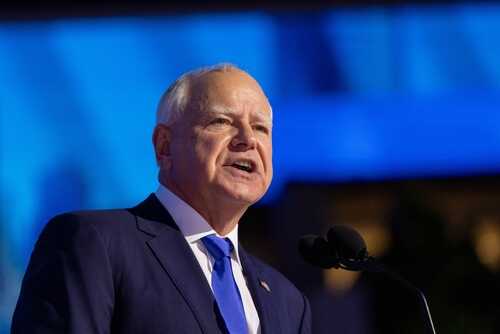
Critics, including President Trump, have targeted the state’s handling of the scandal under Governor Tim Walz. While the federal government highlights the scale of the issue, Governor Walz disputes the $9 billion figure, suggesting it is speculative and lacks substantiation. The discrepancy between the federal estimates and the state’s confirmed figures indicates deep-rooted challenges in oversight and accountability.
Watch:
State and Federal Tensions Escalate
The rift between federal and state officials has grown as the Department of Human Services (DHS) in Minnesota reports only tens of millions in confirmed fraud. The state’s DHS, led by Deputy Commissioner John Connolly, has been under pressure to recover funds and improve oversight. The federal probe spans 14 DHS programs, highlighting systemic vulnerabilities that allowed such a massive fraud to occur.
Amid the scandal, immigration enforcement actions have been intensified in the Minneapolis-St. Paul area. President Trump has criticized the state government and suggested a review of the Somali community for potential deportation, further politicizing the scandal. The ongoing investigation and state-federal dialogue underscore a significant need for reform in managing public assistance programs.
Impacts and Future Implications
The consequences of this scandal are far-reaching. In the short term, the state faces increased scrutiny and potential federal oversight. Politically, Governor Walz is under pressure, especially with his re-election campaign looming. For Minnesota’s Somali-American community, the scandal has fueled stigma and fears of deportation, despite not all defendants being involved in the fraud.
Economically, the alleged $9 billion fraud represents a significant drain on public resources, affecting aid recipients and taxpayers alike. This case could lead to stricter national scrutiny on state-administered aid programs and may prompt reforms in welfare and Medicaid oversight nationwide.
Feds say Minnesota fraud scandal could amount to $9B — as critics blame local media’s weak coverage on fears of seeming ‘racist’ https://t.co/c6CyfIPct4
— A.C. Spollen (@ACSpollen) December 21, 2025
Sources:
Walz disputes $9 billion fraud claim amid federal-state tensions
Gov. Walz: ‘No evidence’ of fraud in billions despite allegations