When a beaver attacks a swimmer in broad daylight and tests positive for rabies, the headline shock obscures the practical truth: this is first and foremost a public-health event, not an exotic wildlife story—and the systems that protect people, from field response to post-exposure care, worked as designed.
The Short Version
- A 13-year-old was bitten while swimming at Cunningham Falls State Park; the captured beaver tested positive for rabies, triggering standard health and park-closure protocols.
- Beaver attacks on people are rare and, when they occur, are often linked to rabies; medical management follows established rabies exposure guidance.
- Authorities later confirmed a second rabid beaver at the same park, underscoring a localized wildlife rabies problem rather than a one-off oddity.
- For lake users and nearby residents, the actionable lessons are simple: avoid contact with wildlife, report abnormal behavior, and follow closure and vaccination guidance if exposed.
What happened at Cunningham Falls—and why officials responded the way they did
The core facts are straightforward. On July 26, a 13-year-old boy swimming in the designated area of Hunting Creek Lake at Cunningham Falls State Park in Maryland was bitten by a beaver. Animal control captured and euthanized the beaver; laboratory testing confirmed rabies. The teen received urgent care, including transport to a tertiary hospital and rabies post-exposure prophylaxis. In the days that followed, the Maryland Department of Natural Resources (DNR) restricted water access at the park while teams searched for additional problem animals and assessed risk to the public.
Park closures of this sort can look dramatic, but they are a rational containment tool. Rabies is almost universally fatal once symptomatic; the only effective strategy is to prevent infection after exposure by treating bites promptly and minimizing further encounters until the local wildlife risk is understood. In this case, subsequent investigation and surveillance were warranted—and validated—when a second biting beaver from the same park also tested positive for rabies, prompting expanded closures and continued cautions for visitors.
Rabies risk, rare beaver attacks, and the clinical playbook
Beavers do not seek out human conflict. Outside of territorial defense or confinement, unprovoked attacks are unusual. The medical literature treats beaver-on-human incidents as uncommon, with a meaningful share linked to rabid animals. A recent clinical case review cataloged only 40 confirmed rabid beavers nationally over a two-decade span, and described attacks as “extremely rare” events that should nonetheless be managed with rigorous rabies protocols because of the disease’s lethality.
That protocol is standardized and time-sensitive. After thorough wound cleaning—often the single most important intervention—clinicians determine exposure severity, administer human rabies immune globulin (infiltrated around the wounds when indicated), and begin a vaccination series on days 0, 3, 7, and 14 for immunocompetent patients. Tetanus status is addressed, antibiotics are considered for high-risk wounds, and surgical care is provided when there is tissue loss or neurovascular compromise. These steps are species-agnostic: the virus, not the animal, dictates the algorithm.
How an unusual wildlife cluster becomes a park management problem
Two rabid beavers in quick succession at one lake reframed the story from a dramatic one-off to a localized epizootic concern. DNR’s incident communications and operational choices—closing swim beaches and adjacent water access, hunting for suspect animals, and coordinating with county health officials—fit established playbooks for managing wildlife rabies risk in high-use recreation areas. Agency releases documented both bite events and the positive tests, and they explain why closures expanded temporarily beyond the immediate swim area: the aim is to reduce contact opportunities while surveillance clarifies the scope of the problem.
This approach is calibrated to human behavior as much as animal behavior. Summer lakes concentrate people, including children, in shallow nearshore zones where semi-aquatic mammals travel and forage. Even a small uptick in abnormal wildlife activity near a beach can multiply encounter chances. Short, decisive closures create a cleaner risk boundary than partial advisories; reopening can then proceed in phases as trap success, carcass testing, and the absence of new incidents support lower risk.
Mechanism and ecology: how rabies shows up in beavers
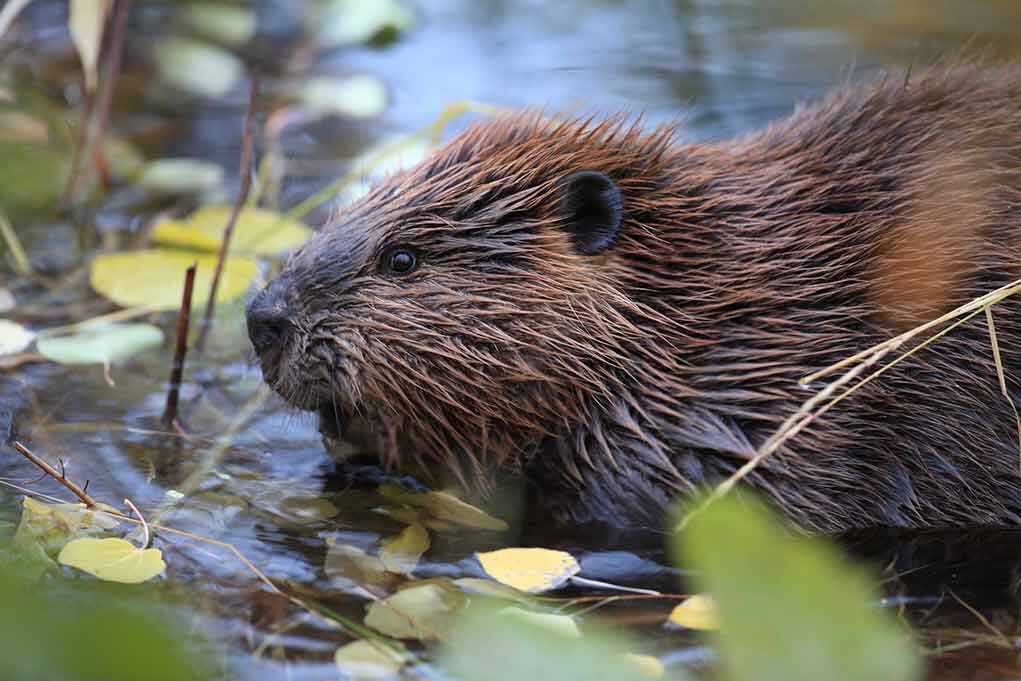
In the eastern United States, the raccoon rabies variant predominates in terrestrial cycles, but spillover to other mammals—including beavers—occurs through bites that transmit virus-laden saliva. A rabid beaver’s “abnormal” presentation can include daylight activity, reduced flight distance from people, and sudden aggression in the water. Because beavers are powerful swimmers with strong incisors and jaw muscles adapted for cutting wood, even a brief bite can inflict deep puncture and tearing injuries. Those biomechanics explain why some victims need surgical debridement and repair, even when the number of bites is small.
From a management standpoint, a confirmed rabid animal in a recreation waterbody raises two questions: is there a local reservoir host driving repeated spillover (for example, raccoon density around the lake), and are there additional beavers showing neurologic signs? The answers guide whether targeted removal and testing suffice or whether a longer closure is justified. In Maryland’s case, confirmation of a second rabid beaver within two weeks argued for the latter, and agencies acted accordingly.
A Maryland teen is recovering after a rabid beaver attacked him while he was swimming at Cunningham Falls State Park in Frederick County.
Dominick Cebula was 13 at the time of the July 26 attack. The beaver reportedly latched onto his chest, then bit his hand as he fought it… https://t.co/jLvFGdfWbj
— MDBayNews (@MDBayNews) September 16, 2026
What matters to families and frequent lake users
For parents and regular park visitors, three practices carry most of the risk-reduction value. First, avoid physical contact with all wildlife, including apparently tame or distressed animals; “helping” is an exposure pathway. Second, report abnormal behavior immediately—daytime approach, circling swimmers, or animals lingering near beaches—to park staff or local animal control so professionals can intervene and test. Third, if a bite or scratch occurs, treat it as a medical emergency: wash thoroughly with soap and water for 15 minutes if possible, then seek care promptly for rabies prophylaxis.
Why this episode is a public-health story with a clear arc
The Cunningham Falls incidents fit the known pattern: a rare species-specific event nested inside a familiar zoonotic hazard, managed by a well-rehearsed clinical and operational response. The first bite was confirmed as rabies. Closures followed. A second rabid beaver cemented the need for a broader, temporary cordon. Then, as testing and the absence of new cases supported it, the park began reopening in phases. Each step maps to risk, not headlines—exactly how you want the system to operate when the pathogen is unforgiving and the setting is a crowded summer lake.
Sources:
independent.co.uk, the-sun.com, the-express.com, thecooldown.com, abcnews.com