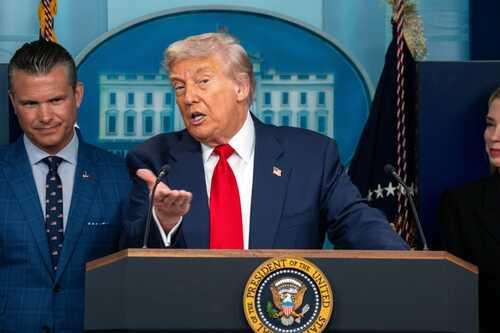
A CIA drone strike on Venezuelan soil has been publicly acknowledged by President Trump, igniting debates over US interventionist policies.
Story Highlights
- President Trump confirms a CIA drone strike in Venezuela targeting alleged drug operations.
- Colombian President Gustavo Petro calls the targets “commie narco-terrorists.”
- US military actions in the Caribbean escalate tensions with regional players.
- Potential risks include a destabilized Colombia and broader regional conflict.
Colombian President Endorses US Strike’s Target
Colombian President Gustavo Petro has publicly endorsed the CIA drone strike conducted by the US in Venezuela, labeling the targets as “commie narco-terrorists.” This statement aligns with the US narrative that the strike aimed to disrupt drug smuggling networks linked to Venezuelan President Nicolás Maduro’s regime. Despite Petro’s endorsement of the target, he remains opposed to wider US military aggression in the region, expressing concerns about the potential destabilization of Colombia’s fragile peace.
Colombia's President Says US Attack on Venezuela Targeted Commie Narco-Terrorists https://t.co/Hm3vBrfrvf
— Joni Myers (@JoniMyers18) December 31, 2025
The US has ramped up its military presence in the Caribbean Sea since September 2025, marking the largest naval buildup in the region in over five decades. This escalation includes naval operations, boat bombings, and airspace restrictions, all justified as anti-narcotics measures. However, these actions have resulted in significant casualties, including over 80 individuals from various nationalities, with Colombia reporting citizen deaths. The aggressive stance has sparked regional concerns and highlighted the complex dynamics between Colombia and the US under President Trump’s administration.
Watch:
US-Venezuela Tensions and Regional Implications
Since Nicolás Maduro’s rise to power in 2013, US-Venezuela relations have been fraught with tension, exacerbated by economic sanctions and accusations of narco-trafficking. The recent CIA drone strike marks a rare public acknowledgment of covert US military actions in Venezuela. Critics, including international bodies and human rights activists, argue that such interventions risk undermining regional stability and Colombia’s peace process. The US’s actions have drawn ire from Maduro’s allies, including Russia, China, Iran, and Cuba, potentially broadening the scope of the conflict.
Meanwhile, President Trump’s revocation of Colombian President Gustavo Petro’s US visa over his stance on Palestine and the decertification of Colombia and Venezuela as partners in drug control have strained bilateral relations. Petro’s progressive policies aim to shift focus from a militarized drug war to human rights-based approaches, aligning with UN-backed alternatives. While Petro supports the US strike’s immediate targets, he warns of the broader risks associated with unchecked US military interventions.
Long-term Implications for Colombia and the Region
The US military actions, coupled with President Trump’s aggressive rhetoric, pose a significant threat to Colombia’s 2016 peace accord with the FARC, which ended decades of conflict. The potential for increased refugee flows, weapon proliferation, and narco-group empowerment could destabilize Colombia and erode trust in US intentions. In the long term, such interventions might polarize South American politics and fuel anti-US sentiments, complicating diplomatic relations and cooperation. As the situation evolves, regional stakeholders continue to grapple with the consequences of US foreign policy decisions.
Amidst this backdrop, the international community watches closely, balancing the desire for stability with the realities of power dynamics in the region. The outcomes of these actions will likely shape US-Colombia relations and influence geopolitical alignments across Latin America for years to come.
Sources:
US Military Aggression Towards Venezuela Presents Major Threat to Colombia