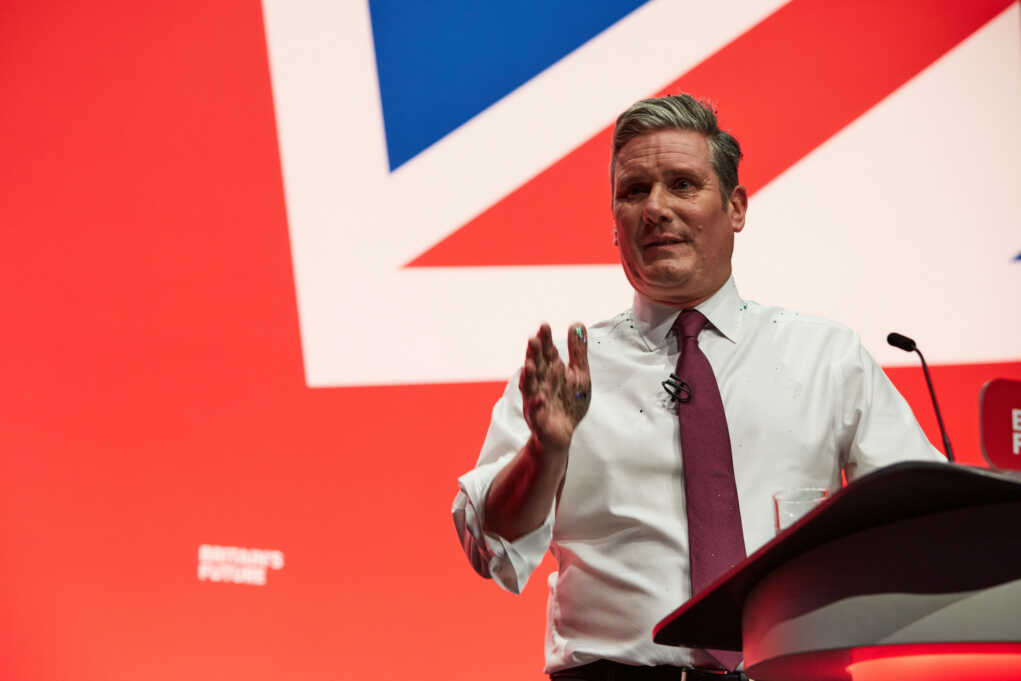
UK Prime Minister Keir Starmer buckled to President Trump’s pressure and authorized US military use of British bases for strikes against Iranian missile sites, but only after initially refusing and sparking a public rebuke from the White House that exposed deep cracks in the “special relationship.”
Story Highlights
- Starmer initially blocked US base access for Iran strikes, then reversed course after Iranian attacks on British personnel and Trump’s public criticism
- Authorization limited to “defensive purposes” targeting Iranian missile launchers at two bases, excluding offensive strikes or regime change operations
- Trump openly criticized Starmer, saying the UK was “not helpful” and lamenting the weakened alliance compared to historical cooperation
- Over 200,000 British citizens in the Middle East face threats as Iran escalates attacks on airports, hotels, and military bases housing UK personnel
Starmer’s Reversal Under Pressure
Starmer reversed his initial refusal to grant US military access to British bases after a weekend of Iranian drone and missile attacks targeted British interests across the Middle East. Iranian forces struck the UK’s Akrotiri base in Cyprus and attacked facilities in Bahrain housing British personnel. The Prime Minister authorized use of two bases, including Gloucestershire in England and Diego Garcia in the Indian Ocean, for what he termed “specific and limited defensive purposes” targeting Iranian missile storage facilities and launchers threatening allied forces and British civilians.
The authorization came Sunday evening after Starmer faced mounting pressure from Washington and witnessed direct Iranian aggression against British assets. His government published a legal summary justifying the action under international law’s collective self-defense provisions, emphasizing protection of British lives rather than participation in offensive operations. Starmer explicitly excluded use of Cyprus’s Akrotiri base for US bomber operations, drawing a line against full involvement in America’s military campaign.
Trump’s Public Rebuke Strains Alliance
President Trump escalated tensions Tuesday with stinging public criticism of Starmer’s hesitation, telling The Sun the UK Prime Minister was “not Winston Churchill” and expressing sadness over the deteriorated relationship. Trump stated the alliance was “not what it was,” suggesting he might pivot toward stronger cooperation with France and Germany instead. The President’s frustration centered on Starmer’s initial refusal to provide base access when US forces launched strikes against Iranian targets, viewing the delay as unhelpful to American national security interests and regional stability.
Starmer defended his approach in Parliament, invoking lessons from the Iraq War debacle and insisting any British involvement required a clear legal basis and strategic plan serving UK national interests. His government spokesman attempted damage control Wednesday, affirming the alliance remained intact across security and trade dimensions despite Trump’s harsh words. The episode reveals how Starmer prioritizes UK sovereignty and post-Iraq caution over automatic compliance with US requests, even at the cost of presidential ire.
Defensive Operations Protecting British Lives
US planes now operate from approved British bases conducting strikes against Iranian missile infrastructure while UK jets intercept Iranian drones and missiles threatening allied positions. Starmer emphasized Britain’s role remains purely defensive, enabling America’s efforts to neutralize Iranian launchers threatening approximately 200,000 British citizens living and working across the Middle East region. The UK shares intelligence daily with US forces but refuses direct participation in offensive strikes, maintaining a distinction Starmer argues respects international law while fulfilling alliance obligations.
The limited authorization reflects Starmer’s calculation that protecting British lives justifies base access without crossing the line into regime change operations his government opposes. Iran’s scorched earth strategy targeting civilian infrastructure and pursuing nuclear weapons capabilities forced Starmer’s hand after the weekend attacks demonstrated direct threats to British personnel. Gulf allies requested additional defensive support as Iran expanded missile attacks beyond military targets to airports and hotels where British citizens work and travel, creating urgent pressure for UK involvement in collective defense measures.
Constitutional Concerns and Alliance Priorities
Starmer’s approach raises questions about executive authority to involve Britain in military conflicts without full parliamentary debate on the scope and risks of enabling US operations. His insistence on legal justification and limited objectives reflects appropriate caution learned from Iraq’s failures, but the episode exposes tensions between honoring alliance commitments and maintaining independent decision-making authority. Conservative critics would note Trump’s frustration stems from legitimate expectations that Britain stands with America when vital interests align, especially when Iranian aggression directly threatens British lives and regional stability.
The Prime Minister’s zigzag from refusal to conditional approval under pressure suggests weakness rather than principled leadership, emboldening adversaries like Iran who recognize daylight between allied positions. While avoiding regime change entanglements shows prudence, Starmer’s hesitation to defend shared interests until forced by circumstances undermines the deterrent value of strong alliances. Americans rightly expect partners who contributed to creating security architectures like Diego Garcia to honor those commitments when threats materialize, not equivocate until attacked directly and shamed publicly by the President.
Sources:
Starmer says US planes flying out of UK bases ‘special relationship in action’
I’m not happy with the UK: Donald Trump criticizes Keir Starmer over military access
War with Iran strains the US-UK relationship as Starmer and Trump disagree