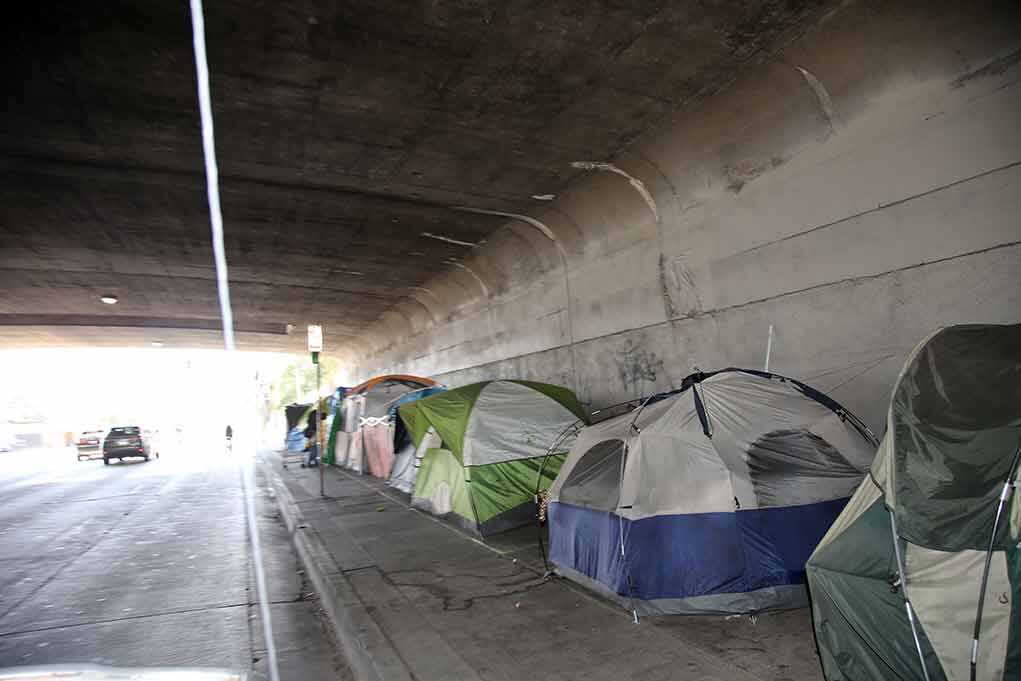
Los Angeles just scrapped 12 anti-camping zones in Hollywood, Echo Park, and Silver Lake, raising fresh safety fears right where families walk and drivers merge near freeways.
Story Highlights
- The City Council voted 10-3 to repeal 12 anti-camping enforcement zones in District 13.
- Removed sites include parks, busy intersections, and freeway-adjacent areas where impacts are most visible.
- Opponents warn of new public safety and quality-of-life problems after the rollback.
- Supporters claim the zones were ineffective and often saw encampments return after sweeps.
What The Council Changed And Where It Hits
Los Angeles City Council voted on August 18, 2026, to repeal 12 discretionary anti-camping zones across Hollywood, Echo Park, and Silver Lake in a 10-3 decision. The move removes local tools that blocked sitting, sleeping, and camping in defined public spaces within Council District 13. The affected areas include Barnsdall Art Park, Hollywood Recreation Center, several Silver Lake intersections, and freeway-adjacent corridors such as Bronson at the 101 and Sunset at Glendale, where safety conflicts are common.
Local reports describe these sites as precisely the types of places where encampments create the most friction: near schools and recreation areas, along sidewalks, and at high-traffic nodes. CBS News Los Angeles said years-long bans that kept people from sitting, sleeping, or camping in certain Hollywood locations are now lifted. Taken together, the rollback does not legalize camping citywide. It narrows enforcement at select hot spots, which is why residents worry street conditions may shift back at those exact blocks.
Public Safety Concerns From Opponents
Opponents frame the vote as a direct hit to public safety and quality of life. FOX 11 reported critics warned the change could bring new hazards to neighborhoods already stretched by rising crime and disorder near encampments. Families and seniors use parks and sidewalks every day. Drivers face split-second choices where ramps and boulevards meet. When tents return to narrow walkways or curb lanes, people fear blocked access, fires, and more conflicts. The repeal removes one of the few tools that kept these areas clear.
These concerns match what many residents have lived for years. Neighbors have seen how fast tents can cluster, how trash piles spread, and how open drug use or mental health crises spill into public spaces. Yet the current record has limits. The available reporting documents the vote and the locations but does not include fresh fire, police, or sanitation data tied specifically to the 12 zones after the repeal. The evidence shows risk pathways, not measured post-vote harm at those sites.
Why Supporters Say The Bans Failed
Councilmember Hugo Soto-Martínez, who represents District 13, argued the zones did not solve homelessness and only pushed people from block to block. He said the policy hurt outreach because people lost belongings, were fined, or arrested, setting them back from services and housing. NBC Los Angeles reported he cited a city analysis showing people who were present before enforcement returned to 81% of encampments flagged for removal, suggesting the gains did not last.
LAist and ABC7 described the action as ending enforcement in the designated zones and noted the wider claim that anti-camping rules were counterproductive in this district. Supporters say time and money should shift to housing placements, treatment, and sanitation, not repeated clearings that do not hold. They argue that moving people does not reduce homelessness. It only hides it briefly, then it resurfaces nearby, often with more distrust of city workers.
What This Means For Neighborhoods Now
The repeal targets specific sites, so the biggest effects will be local. Sidewalks, parks, and freeway-adjacent corners could see tents and RVs return, unless other rules or outreach efforts are in place. Residents want kids safe on the walk to school and seniors able to pass with mobility aids. Drivers need clear sightlines and open shoulders. When a city removes enforcement, it must show the replacement plan, with timelines, staffing, and safety controls people can see on the ground.
Two things can be true. First, some past sweeps did not stick. Second, many residents feel real fear when encampments cluster at parks and traffic chokepoints. The path forward should be hard-headed and transparent: publish location-specific fire, police, and sanitation data; set clear standards for sidewalk access; and tie any pause in enforcement to real shelter, treatment beds, and faster housing moves. If leaders change the rules, they must also own the outcomes, block by block.
Bottom Line For Readers
The council removed 12 enforcement zones in some of the city’s most visible corridors. Supporters say the old rules failed and harmed outreach. Opponents warn safety and order will suffer. The facts confirm the vote, the locations, and the stakes. What is missing is new, site-level data after the rollback. Until that arrives, families near Barnsdall, Hollywood Recreation Center, and those freeway links will watch their corners and expect City Hall to keep sidewalks open and streets safe.
Sources:
nypost.com, x.com, laist.com, abc7.com