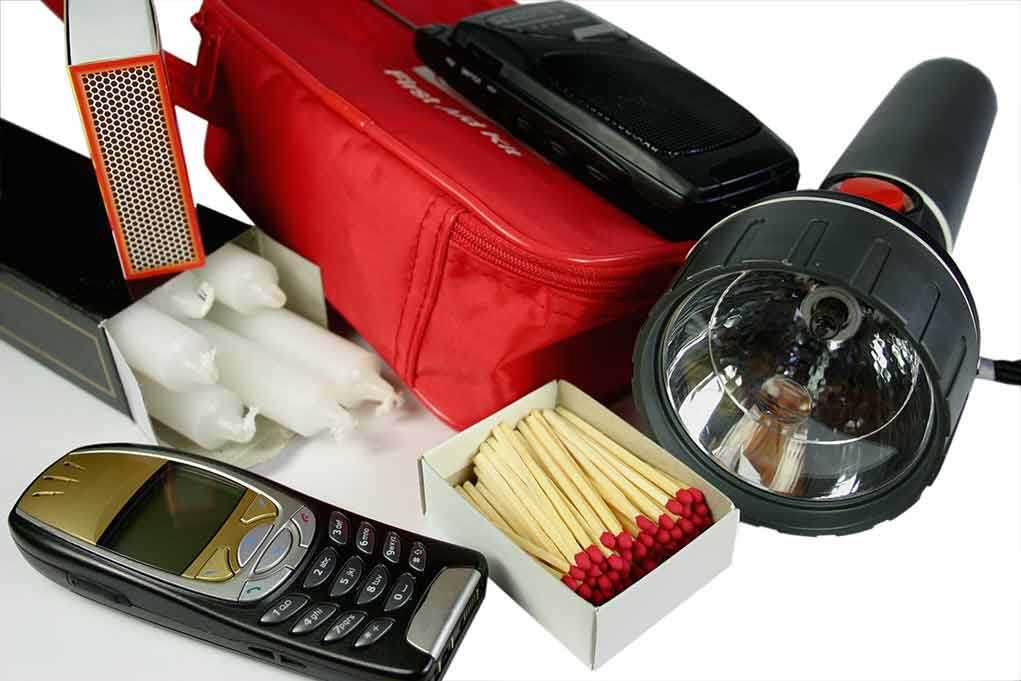
Most households still lack a simple 72-hour safety net of water, food, and basics that officials say can save lives.
Story Snapshot
- Public agencies urge at least three days of supplies, including one gallon of water per person per day.
- Local emergency offices warn help may not reach everyone for up to 72 hours after a major disaster.
- A 2015 survey found 72% had not assembled an emergency kit, despite believing it would help survival.
- The Federal Emergency Management Agency (FEMA) later reported gains in kit-building, but gaps remain.
Officials Set a Clear Standard for 72-Hour Readiness
Public safety agencies tell families to keep at least three days of supplies on hand. Unified Fire Authority guidance specifies one gallon of water per person per day for drinking and sanitation, plus food, first aid, light, and communication tools. Similar checklists from county and city sites echo the same core needs, showing a stable, practical standard for basic self-reliance during outages or road closures. These lists aim at common sense, not doomsday. They cover water, calories, and simple tools to get through short shocks.
Community colleges and county emergency programs frame 72-hour kits as coverage for basic needs first. They include shelf-stable foods, manual can openers, flashlights, spare batteries, radios, hygiene items, and key documents. They also advise cash in small bills and backups for prescriptions. Families are urged to tailor kits for babies, pets, and seniors. The guidance keeps the bar reachable. It focuses on low-cost steps most homes can handle over time, without buying niche gear.
Why You May Be On Your Own for Three Days
County emergency managers warn that first responders may not reach every neighborhood right away. Wayne County, Michigan, states that emergency services can be delayed for up to 72 hours after a major event because of overwhelming demand or blocked roads. Storms, earthquakes, floods, and cyber hits can knock out power, cell towers, and fuel delivery. A home kit bridges that gap. It lowers strain on police, fire, and medics, and it keeps families stable until roads clear.
When roads are blocked or dispatch centers surge with calls, even the best crews must triage. Households that hold water, food, light, and radios pose fewer urgent needs. That frees responders to focus on injuries, fires, and rescues. This is personal responsibility in action. Prepared homes help their neighbors and their community. The standard is modest: water, calories, first aid, and a way to get alerts. That is well within reach for most families if planned out across a few paychecks.
What Surveys Say About Preparedness Progress and Gaps
A 2015 survey reported that 72% of respondents had made no effort to assemble an emergency kit, even though 86% believed a kit would improve survival. Many said they expected emergency services to help, lacked time, or did not know what to do. Those answers track with what local officials warn: help may not come fast. The survey highlights a mindset gap. People believe in kits, yet delay action. That mismatch can turn a short outage into a crisis.
Later national findings show improvements. The Federal Emergency Management Agency reported in its 2024 National Household Survey that more Americans have built supplies and many say their supplies last beyond three days, though adoption is not universal. Gains are good news, but they do not change physics. Water still weighs eight pounds per gallon, and stores still empty fast when panic hits. Families that plan ahead avoid crowds and protect loved ones when systems stall.
Simple, Budget-Friendly Steps You Can Take This Week
Start with water. Store one gallon per person per day for three days. Add an extra gallon if heat is common in your area. Next, set aside shelf-stable foods your family already eats, like canned meat, beans, rice, oats, and peanut butter. Add a manual can opener, trash bags, wet wipes, and a basic first aid kit. Include flashlights, spare batteries, a battery-powered or hand-crank radio, and copies of key papers in a zip bag.
The One Year Urban Survival Plan for Preppers
Could your household manage a week without power or running water? Tell us the first gap you’d tackle.
Build readiness over the next 12 months through supplies, skills and practice. Address immediate food, water, medical and… pic.twitter.com/xCbKpHBQGC
— The Prepper Almanac (@prepperalmanac) November 15, 2026
If you take daily medicine, ask your doctor and pharmacist about an emergency buffer. Pet owners should store food, water, and leashes. Parents should add diapers and formula. Keep small bills and a list of contacts on paper. Rotate supplies every six months. Mark a calendar reminder so nothing goes to waste. These steps cost less if spread out. Buy one or two extra items during normal grocery runs until the kit is complete.
Sources:
unifiedfireut.gov, pcfdut.gov, smccd.edu, blogs.chapman.edu, waynecountymi.gov, fema.gov