

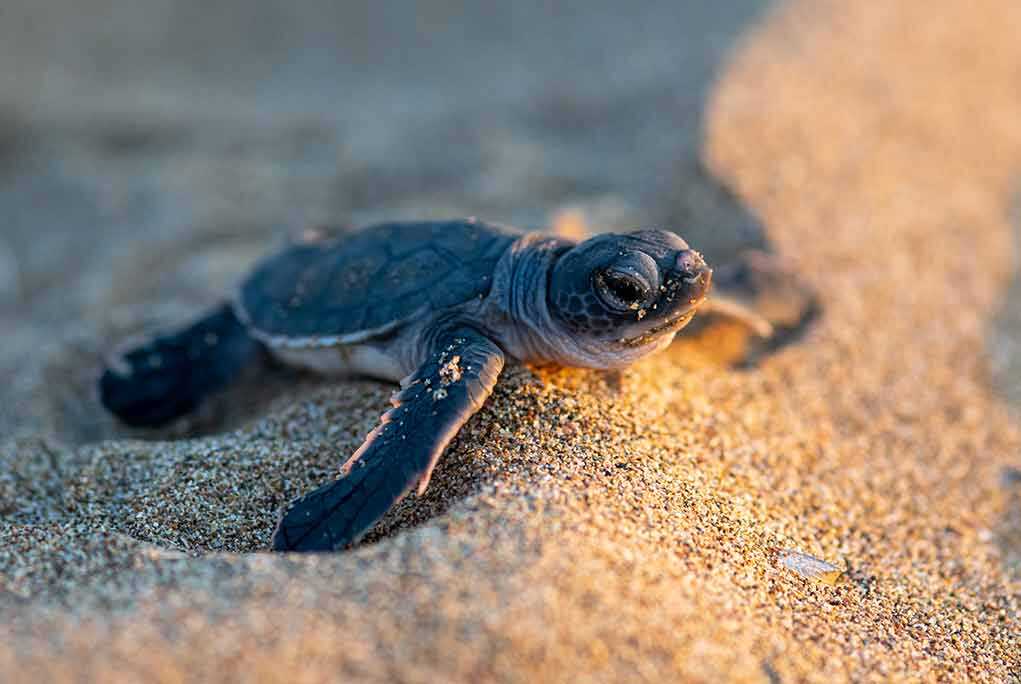
Rising Mediterranean sand temperatures are turning more loggerhead turtle hatchlings female, raising alarms about future male shortages as COP31 showcases the species.
Story Snapshot
- Warmer nests make more female hatchlings in turtles with temperature-based sex development.
- Studies report strongly female-skewed hatchlings on Mediterranean beaches.
- Juvenile and adult sex ratios look more balanced, but trends still worry researchers.
- Simple, low-cost steps like shading and nest moves can protect future males.
What Researchers Are Seeing On Mediterranean Beaches
Scientists tracking loggerhead nests across the Western Mediterranean report female-heavy hatchling groups in most monitored nests. A peer-reviewed study found only two nests out of many with a male tilt, while the rest produced mostly females. This matches how these turtles develop. Warmer sand makes more females, and cooler sand makes more males. Shorelines that heat up sooner and stay hot longer will likely keep driving that skew unless managers cool more nests.
Field teams also note that warmth speeds up the whole cycle. Warmer seasons trigger earlier nesting and shorten incubation time, which ties back to even higher nest temperatures and more female hatchlings. That creates a feedback loop on hot beaches. Scientists say the most important window is the middle third of incubation. That is when temperature sets sex, and small changes around the “pivotal” point can swing the outcome. Managers focus cooling efforts during that period to even out results.
Why A Female Wave Now May Still Hide A Balanced Population
Mediterranean juveniles and adults do not show the same heavy female bias that hatchlings do. A multi-year survey found juvenile sex ratios close to one-to-one, even as hatchling estimates were strongly female-skewed. Other work reports that adult sex ratios can look balanced as well. Several forces can explain this. Cooler pockets, male-skewed minor sites, and migration from other feeding areas can all supply males that do not show up in hatchling counts on hot beaches.
That mixed picture does not erase the risk. If many major beaches keep heating, the margin for male production shrinks. One French Mediterranean data set places optimal incubation around the high twenties Celsius, with pivotal temperature for a one-to-one split near twenty-nine degrees. Add a few degrees in peak months, and the middle third of incubation can tip hard toward female production. Over time, that can strain the number of available males during breeding seasons.
Practical Fixes Local Teams Can Use This Season
Beach managers already use simple tools that respect both wildlife and local economies. Staff can place shade cloth, plant native dune cover, or move at-risk clutches a short distance to cooler sand. Nighttime work limits human impact. These steps target the thermosensitive window to nudge nest temperatures back toward the pivotal point. Crews can also stagger relocations so not every nest cools the same amount. That spreads risk and helps avoid a swing too far the other way.
The oldest navigation system on Earth has no battery, no satellite, no screen. It runs on magnetism, memory and nerve. And right now, its survival depends on humans being gentle.
Read that again.
A design that outlived the dinosaurs, crossed oceans for over 100 million years,… pic.twitter.com/Qq2zOyf2rs
— Mandela (@SrSkip8) October 9, 2026
Conservatives should welcome this hands-on approach. It protects a flagship species without sweeping mandates or heavy spending. It also leaves room for local control. Coastal towns, charter operators, and volunteers can team up and act fast. That is better than distant bureaucrats writing one-size rules that ignore beach-by-beach needs. Data show real female skews at hatchling sites, while life-stage ratios remain steadier. Local action keeps that balance intact while preserving tourism and jobs.
What To Watch As COP31 Puts A Spotlight On Turtles
Conference messaging will likely center on climate themes and broad targets. Voters should separate clear biology from political spin. The biology is solid: temperature sets sex in sea turtles, the middle third matters most, and many Mediterranean nests are producing more females now. The path forward is also clear. Use targeted beach work, monitor temperatures, and share results. That protects turtles, respects taxpayers, and avoids top-down schemes that miss local facts on the ground.
Sources:
youtube.com, nature.com, link.springer.com, yahoo.com, int-res.com, scientiamarina.revistas.csic.es