Spain slapped border checks on Italian travelers this week, striking back after Italy shut its own borders following a massive migrant surge into the Spanish enclave of Ceuta.
Story Snapshot
- Italy reimposed border checks on people arriving from Spain starting August 1, citing the Ceuta migrant crisis.
- Spain demanded Italy drop the checks by August 9 or face “proportionate measures.”
- Italy refused to back down, and Spain responded with its own checks on travelers from Italy.
- Tens of thousands of migrants surged into Ceuta from Morocco, with reports of at least 19 deaths.
- European Union officials say no migrants actually crossed into the wider Schengen zone despite the panic.
Italy Shuts Its Border After Migrant Surge
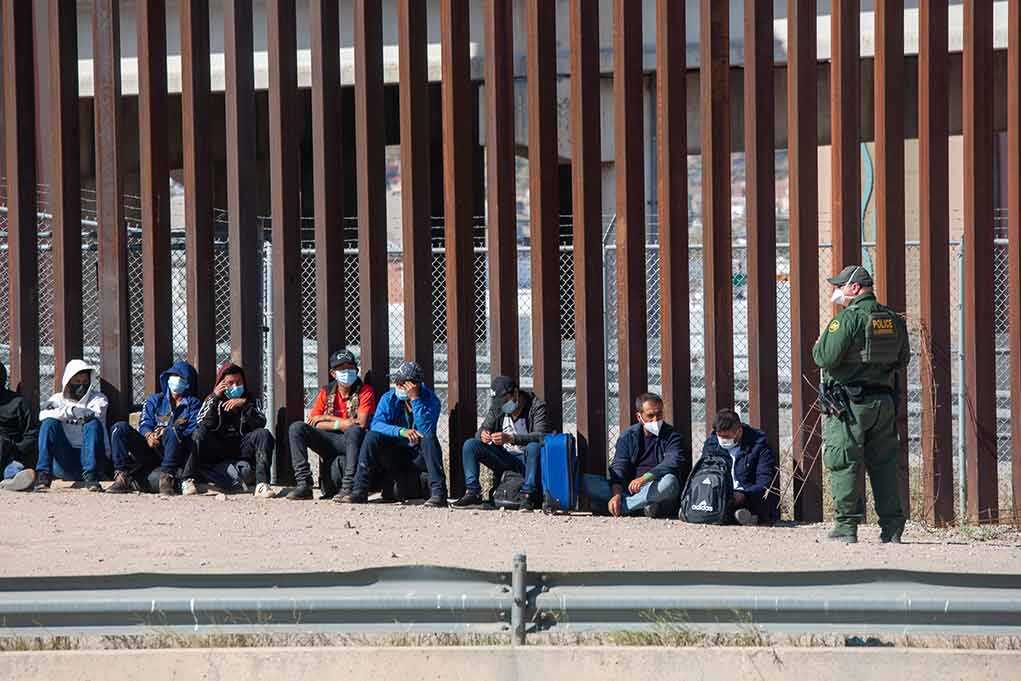
Italy’s Interior Ministry reintroduced border checks on travelers coming from Spain, calling it a temporary suspension of Europe’s passport-free Schengen zone. The move followed a huge wave of migrants who crossed from Morocco into Ceuta, a Spanish territory in North Africa. Some reports put the number as high as 60,000 people entering the enclave in a short span, sparking fears the crisis would spread into mainland Europe.
Rome’s government said the checks, which took effect August 1 and were set to run for about a month, targeted only non-European Union citizens arriving from Spain. Italians, Spaniards, and other European Union travelers were told they would not face extra paperwork. Prime Minister Giorgia Meloni’s government framed the action as a narrow security step, not a broad crackdown on ordinary travel between the two nations.
Madrid Fires Back With Checks of Its Own
Spain’s government demanded Italy lift the border checks by Sunday, August 9, warning it would adopt “proportionate measures” if Rome refused. Italy’s government, based out of Palazzo Chigi, rejected the ultimatum outright. Spain’s official statement from La Moncloa called the Italian checks discriminatory and against European law, insisting the measures unfairly punished ordinary travelers over a crisis Spain said it had under control.
Spain followed through on its threat, announcing temporary border checks on travelers arriving from Italy. Spain’s Interior Ministry described the checks as part of the broader standoff, hitting thousands of passengers on flights and ferries. Reports say Spain checked roughly 200 travelers coming from Italy on the very first day the new controls went into effect, signaling Madrid intended to enforce the retaliation seriously rather than treat it as a symbolic gesture.
A Familiar Pattern, but an Unusually Public Fight
Temporary Schengen border checks are not new. The European Commission has logged 498 notified reinstatements of internal border controls since 2006, and Italy itself had recently used the same tool along its border with France for security reasons. What stands out in the Ceuta dispute is how fast a localized migrant surge turned into an open, public fight between two European Union governments over Schengen itself.
European Commissioner for migration Magnus Brunner said no migrants actually entered the broader Schengen area, and Spain’s own interior minister, Fernando Grande-Marlaska, confirmed the situation was under control with no mainland movement. That statement raises a fair question for American conservatives watching from afar: why did Spain’s government let a border crisis spiral so far that a fellow European Union nation felt forced to seal itself off in the first place?
#Spain has imposed border controls on all air and sea travel from Italy as tensions between the two #EU countries grow over last week’s mass migration to the Spanish exclave of #Ceuta.
The measures began at midnight, 22:00 GMT, and will remain in place for one month. They follow… pic.twitter.com/fR77j6fcja
— Morocco World News (@MoroccoWNews) August 9, 2026
The fight lands as Spain’s socialist government under Prime Minister Pedro Sánchez has faced criticism for regularizing large numbers of illegal immigrants in recent years, a policy conservatives in Italy and beyond argue invites exactly this kind of chaos. Meloni’s decision to shut the border first, then hold firm against Madrid’s ultimatum, mirrors the same border-security instincts American conservatives have demanded from Washington for years: control the border first, negotiate second.
Sources:
youtube.com, it.euronews.com, tgcom24.mediaset.it, corriere.it, geopop.it