

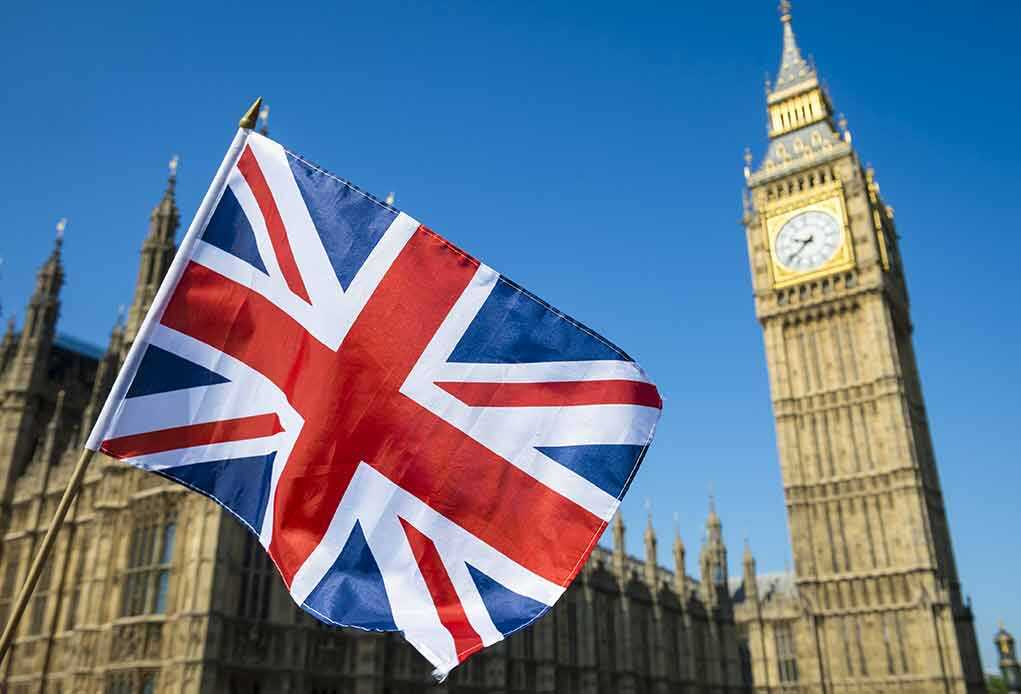
Britain’s push to sanction Israeli settlements risks punishing a key U.S. ally while doing little to curb violence, and Israel’s president is warning London it will be “on the wrong side of history.”
Story Highlights
- The United Kingdom announced and signaled new measures targeting West Bank settlement activity and related networks.
- Government releases cite an international court opinion and claim settlement expansion undermines a future Palestinian state.
- Reuters reports Israel rejects the sanctions as political and unfairly aimed at its citizens and officials.
- The United Kingdom says trade with Israel inside 1967 lines continues, but warns businesses off any settlement links.
What London Has Said And Done So Far
United Kingdom officials have rolled out and previewed measures tied to West Bank settlements since 2024. Government notices say the United Kingdom supports trade with Israel within the 1967 lines but warns there should be no economic involvement in illegal settlements. In June 2026, allied sanctions hit six entities and one individual accused of enabling or financing settler violence. Ministers also threatened more steps after Israel moved on the E1 tender, calling it “unacceptable”.
The record shows a pattern, not a single sweeping ban. The United Kingdom has imposed targeted sanctions at times and issued guidance to steer firms away from settlement ties. Officials have linked these moves to preserving a two-state outcome. They have not released a detailed, final legal instrument that bans all trade with settlements. That gap leaves open questions about scope, enforcement, and which goods or services would be covered in practice.
The Legal Hook Cited By The UK
United Kingdom statements lean on a July 19, 2024 advisory opinion from the International Court of Justice. The opinion says Israel is under an obligation to stop new settlement activity and to evacuate settlers from occupied territory. While influential, the opinion is advisory, not a domestic United Kingdom court order. London has framed its actions as consistent with that view and with long-standing policy that settlement activity is unlawful.
Foreign Secretary messaging also ties sanctions talk to specific flashpoints. After Israel published a tender for the E1 project in August 2026, London labeled it “destructive” and warned of “comprehensive” measures aimed at those who take part in expansion. The stated goal is to deter more building and reduce violence by targeting enablers. Whether such targeted steps can shift facts on the ground remains unproven in the public record cited by the government.
Israel’s Pushback And The Diplomatic Cost
Israel’s government rejects the United Kingdom’s line. Reuters reports Israel argues the measures are political, unfairly target Israeli citizens and officials, and try to dictate where Jews may live. Israeli officials also accuse Western governments of fueling hostility with these steps. This hard clash raises the risk of tit-for-tat measures and drags the United Kingdom deeper into a dispute where enforcement is messy and leverage is limited.
🇺🇸🇬🇧 Huckabee says Britain WILL PAY if it dares sanctions Israeli settlements…
The U.S. ambassador said there will be an American reaction “without a doubt,” and that it could come from Washington and from U.S. states.
He warned UK firms could be locked out of business across… pic.twitter.com/0rWpLq1i0H
— Mario Nawfal (@MarioNawfal) September 8, 2026
That risk matters for Americans. President Trump restored a clear U.S. posture that backs Israel as a vital ally and resists sanctions that hit ordinary Israelis for security debates. When partners like the United Kingdom move toward broader settlement penalties, it strains alliance unity and distracts from shared goals, like countering Iran’s terror proxies and keeping energy routes stable. Conservatives should watch how far London goes, and who actually pays the price for symbolic pressure.
Why This Matters For U.S. Conservatives
Americans value strong alliances, national sovereignty, and clear limits on government overreach. Broad economic penalties aimed at parts of Israel’s economy risk mission creep. They punish workers and small exporters more than violent actors. United Kingdom releases so far show big talk, targeted designations, and guidance—but not a full, workable plan with clear categories, banks, shippers, and compliance details. That looks more like political signaling than a tool likely to curb extremists.
An effective policy needs narrow targets, due process, and clear rules that hit violence, not identity. It should avoid collective penalties that chill normal trade with a democratic ally. The United Kingdom says it supports trade within 1967 lines and warns off settlement-linked business. If London now widens sanctions, it should present evidence that the steps reduce attacks, not just headlines. Until then, Washington should urge caution and defend fair, focused counter-violence tools—not broad, blunt pressure.
Bottom Line
United Kingdom leaders cite a high-profile advisory court opinion and rising concern over E1 to justify fresh pressure. Israel calls the plan political and unfair. The facts show a policy continuum of guidance and targeted sanctions, not yet a fully defined trade ban. Conservatives should press for clarity, proof of real impact, and respect for an ally’s security needs. If London proceeds without that, it risks hurting ties, missing the real offenders, and standing “on the wrong side of history” it claims to defend.
Sources:
foxnews.com, gov.uk, mfat.govt.nz, aljazeera.com