
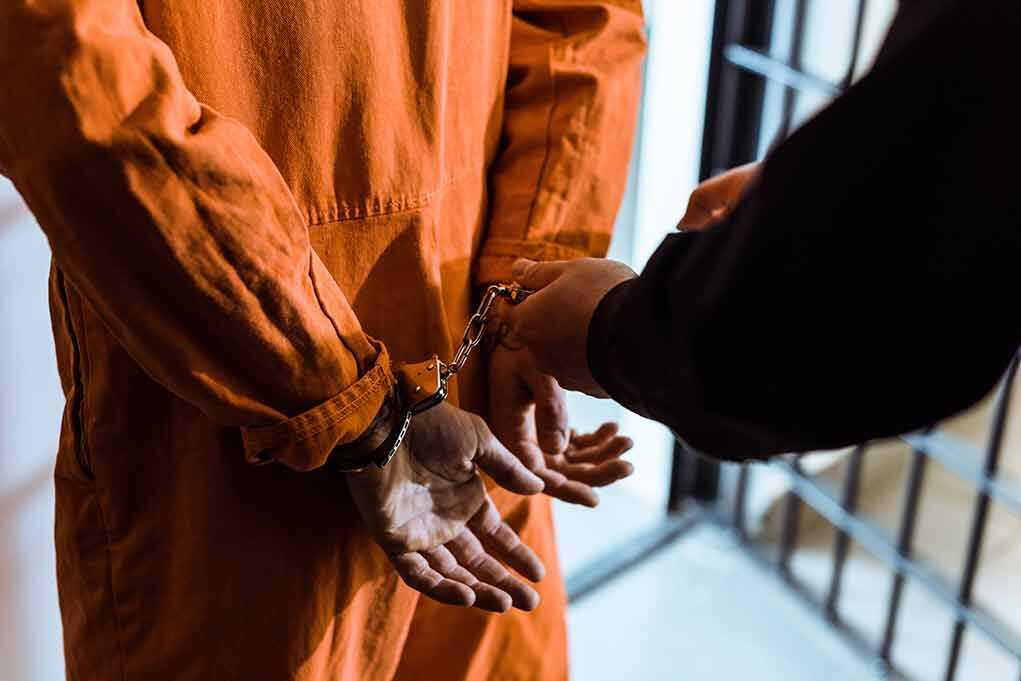
Convicted rapists and killers are now getting parole hearings decades early because Sacramento Democrats quietly lowered the bar for “elderly parole” to just age 50 and 20 years served.
Story Snapshot
- A 2020 law signed under Governor Newsom’s watch dropped elderly parole eligibility to age 50 with 20 years served, opening hearings to far more inmates.
- CalMatters reported the change let sex offenders qualify for parole consideration, forcing lawmakers to scramble on fixes.
- A former detective sentenced to 102 years walked free early and now faces fresh charges after a cold case review.
- Newsom’s office insists the process is “rigorous” and points to low reconviction rates, but critics say the data hides real risk.
How The Threshold Quietly Dropped
California’s Department of Corrections and Rehabilitation confirms that, effective January 1, 2021, inmates become eligible for a parole hearing once they turn 50 and have served 20 continuous years behind bars. That threshold covers people serving both fixed and life sentences, meaning the pool isn’t limited to minor offenders. It took just one state law, Chapter 334 of the Statutes of 2020, to fling that door open wider than ever before.
Before this change, inmates had to wait until age 60 and 25 years served just to be considered. Cutting a decade off that wait, and dropping the age by ten years, means thousands more prisoners now get a shot at freedom years sooner than the original sentence intended, regardless of what they did to land behind bars in the first place.
Sex Offenders Slipped Through The Cracks
CalMatters reported that the lowered age threshold let sex offenders qualify for elderly parole consideration, a discovery serious enough that lawmakers began working on new rules to fix it. That single fact undercuts the idea that this program only helps harmless, aging inmates who pose no threat. Instead, it shows how a broad statutory change can sweep in offenders nobody intended to release early.
State regulations do require a hearing panel to find an inmate suitable unless he still poses “a current, unreasonable risk to public safety”. But that standard is applied case by case behind closed doors, with no public transcripts or scorecards showing how often violent offenders clear that bar. Californians are simply asked to trust the process.
A Detective’s 102-Year Sentence Cut Short
Former detective Michael Douglas Brambles was sentenced to 102 years in prison, yet he served only a fraction of that time before walking free. A cold case review has now hit him with new charges, according to recent reporting circulating on social media. Advocates for victims say his case shows exactly why critics worry that “elderly parole” can turn a life sentence into a temporary inconvenience.
𝐒𝐓𝐎𝐏 𝐓𝐇𝐄 𝐌𝐀𝐃𝐍𝐄𝐒𝐒
𝟏𝟎𝟐 𝐘𝐄𝐀𝐑𝐒. 𝐀𝐍𝐃 𝐇𝐄 𝐖𝐀𝐋𝐊𝐄𝐃 𝐅𝐑𝐄𝐄.
Michael Douglas Brambles was convicted on 26 counts, including 18 armed robberies and multiple sexual assaults, and sentenced to 102 years in prison.
Yet in 2020, California’s 𝐞𝐥𝐝𝐞𝐫𝐥𝐲…— Criminal Justice Legal Foundation (@CJLF_Sacramento) August 18, 2026
Retired judge Maryann Gilliard has publicly blasted Newsom as “reckless,” arguing his policies are making Californians less safe. In response, Newsom spokesperson Diana Crofts-Pelayo defended the program, saying recidivism drops sharply with age and that fewer than 2% of elderly parolees are reconvicted within five years, calling the process “rigorous” and grounded in risk-assessment tools.
The Numbers Behind The Defense
State recidivism reports back up part of that claim. One CDCR analysis found elderly parolees had a three-year conviction rate of just 1.8%, and CalMatters separately reported an overall parole recidivism rate below 3%, meaning 97% of those released do not reoffend. Those numbers sound reassuring on paper.
But statistics measuring “reconviction” don’t capture every act of violence, and they say nothing about the trauma inflicted on victims and families when a supposedly reformed inmate walks free years ahead of schedule. The law does exclude death row, life-without-parole, three-strikes, and certain cop-killer cases, but that carve-out still leaves plenty of serious offenders eligible for early hearings under a law most Californians never asked for.
Sources:
cdcr.ca.gov, calmatters.org, law.cornell.edu, shouselaw.com, latimes.com