Five television giants face a federal antitrust probe over a coordinated suspension of White House pool coverage that may have crossed the legal line.
Story Highlights
- The Justice Department is investigating ABC, CBS, CNN, NBC, and Fox News for a possible group boycott tied to pooled coverage of President Trump.
- Officials requested communications and documents from the networks about how the pool pause was decided.
- A Justice Department spokesperson said group boycotts among competitors can violate the Sherman Act.
- The pool pause followed CNN being barred from its scheduled pool duties; coverage later resumed.
Justice Department Opens Antitrust Probe Into Pool Suspension
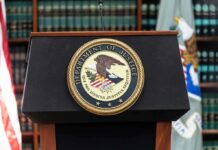
Reuters reported that the Department of Justice is examining whether five major television networks acted together when they halted pooled coverage of President Trump after CNN was barred from the White House press pool rotation. The New York Times also reported that officials contacted the networks and sought internal communications about the decision and the pool’s operations. A Department spokesperson said “group boycotts among commercial competitors can violate the Sherman Act,” confirming an active antitrust review.
The investigation centers on the unique structure of the television pool. The pool is a long-standing system where the networks share costs, rotate duties, and distribute footage to other outlets that are not present, which can amplify the impact of a joint refusal to provide coverage. The question is whether the networks formed an agreement to withhold a shared news product in a way that restrained trade, even if the pause was brief and later lifted.
What Triggered The Pause And Why It Matters For Consumers
The reported sequence began when the White House barred CNN, which was scheduled to run the day’s television pool. The other pool members then declined to replace CNN, and pooled television coverage temporarily stopped. The networks later resumed coverage, but the pause meant many outlets that rely on the shared footage lost access for that period. The Department is probing if that collective action limited the supply of a key public information product and harmed viewers who expect routine presidential coverage.
The networks publicly framed their move as a stand for editorial independence, saying no administration should restrict a news organization because of its reporting. Time reported that while the pool work paused, each network still decided on its own whether to attend separate open press events that day, suggesting the action targeted the shared pool system, not all reporting. Those facts may shape how investigators weigh purpose, scope, and impact under antitrust standards.
Key Legal Questions The Probe Must Answer
Investigators will test whether there was an actual agreement among competitors, or whether each network made a parallel but independent editorial choice. The current public record cites timing and results but does not include emails, calls, or meeting notes that show a joint plan. The Department will also assess market definition and consumer harm, which have not been detailed in public reporting. Without those elements, a case can be harder to bring, especially after a short pause that soon ended.
🚨 DOJ OPENS ANTITRUST PROBE INTO MAJOR TV NETWORKS AFTER WHITE HOUSE COVERAGE BOYCOTT
WASHINGTON, UNITED STATES – The networks now face a harder choice than the original protest that triggered the dispute. Any future collective response to White House access restrictions could… pic.twitter.com/81yWUqGcp4
— The Content Factory (@tcf_updates) October 11, 2026
The networks’ statements point to a protest over access rules, not a plan to restrict competition. Officials, however, say even a principled protest can become illegal if rival firms coordinate to withhold a shared service from customers. For conservatives, this gets to a core concern: powerful media companies may act together to control what the public sees. If evidence shows a concerted refusal to deal, the Department could argue the law applies the same way it would to any other industry.
Why This Clash Hits Larger Constitutional And Cultural Fault Lines
The probe unfolds as the administration defends limits on White House access in separate litigation by arguing that press access is a privilege, not a right. That backdrop makes every move high stakes. Many Americans see a media class that presses its own rules while dismissing ordinary concerns. Viewers want fair access to the president’s remarks, not gatekeeping by a few firms. Clear, even-handed law enforcement can help rebuild trust and keep coverage open to all.
What Comes Next And What To Watch
Expect investigators to review emails, messages, call logs, pool contracts, and rotation records to see who proposed the pause, who agreed, and how footage distribution was affected. Watch for whether the Department issues civil demands or public filings that define the market and the harm. Also track whether any network breaks ranks with a detailed account. A documented agreement would boost the case; a record of independent choices would cut the other way.
Bottom Line For Viewers And Taxpayers
The government’s job is to keep markets fair and information flowing, not to pick press favorites. If five competitors jointly shut off a shared information pipeline, even briefly, that could burden viewers and smaller outlets that depend on pool feeds. If the pause was an independent protest by each outlet, that is a different story. The facts will decide. Either way, sunlight is healthy. The country deserves transparency from media giants as much as from government.
Sources:
mediaite.com, nytimes.com, rmb.reuters.com, x.com, bbc.com