As Russia slashes health and education to fund its war machine, small businesses and families are crushed by staggering new taxes—offering a cautionary tale about unchecked government priorities.
Story Snapshot
- Russia’s government is hiking VAT and slashing the tax threshold, hitting small businesses and ordinary citizens hardest.
- Defense spending now surpasses health, education, and welfare combined, squeezing civilian services.
- Utility and living costs are rising faster than inflation, fueling public frustration and economic hardship.
- Analysts warn that militarized budgets erode economic freedom, stifle growth, and undermine social stability.
Russia’s VAT Hike: Taxing Citizens to Fund the War State
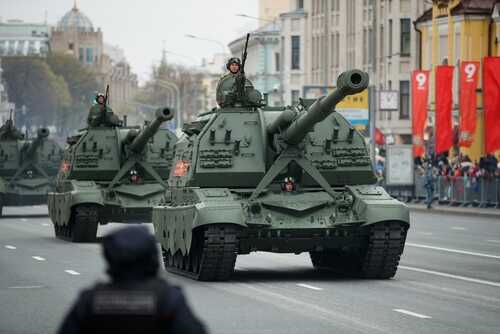
The Russian government, led by President Putin, has enacted sweeping tax increases by raising the Value Added Tax (VAT) and drastically lowering the VAT revenue threshold for small businesses. This burdens not just large enterprises but countless small and medium businesses, many of which previously benefited from a simplified 6% rate and are now thrust into a 22% VAT regime. The move comes as the Kremlin accelerates defense spending to record highs, prioritizing military operations in Ukraine and leaving civilian sectors with stagnant or shrinking budgets.
For Russian citizens and entrepreneurs, this policy means both higher taxes and declining public services. The VAT threshold has plunged from 60 million to just 10 million rubles annually, pulling even small shops and start-ups into the punitive tax net. Meanwhile, the defense budget for 2025 has jumped to 15.5 trillion rubles—a 3.4% increase over the previous year—while civilian spending is either flat or cut. With utility tariffs and living costs also outpacing inflation, ordinary Russians are seeing their economic freedoms and quality of life erode.
Watch: Russia hikes VAT as defence spending surpasses health, education and welfare
Defense Spending Surpasses Civilian Priorities
Russia’s fiscal policy shift didn’t happen overnight. Since the 2022 invasion of Ukraine, defense budgets have swollen, crowding out every major civilian category. International sanctions, economic isolation, and a shrinking tax base have only deepened the crisis, as the Kremlin seeks more revenue from its own people rather than cutting bloated military outlays. Past Russian wars saw temporary military surges, but the current scale is unprecedented. The government’s response—taxing its way out of a fiscal hole it dug with endless war—has left health, education, and welfare on the chopping block.
Economic and Social Fallout: Lessons for America
The consequences of these policies are already clear. Small business growth is likely to stall under the weight of higher taxation. Families face higher prices for goods and services as businesses pass on VAT increases, while public hospitals, schools, and welfare programs struggle with stagnant or shrinking budgets. Economic experts warn that such a “guns over butter” approach—where military might is built by gutting civilian prosperity—invites slower growth, rising inequality, and growing social discontent. Even as some officials claim defense spending may ease slightly in 2026, analysts agree it remains at historic highs, crowding out any hope of real recovery for civilian life.
Sources:
The Kremlin to Russian Consumers: Pay For Our War
Russia Plans Steeper Utility Tariff Hikes in 2026-2028, Outpacing Inflation
Preparing for a Fourth Year of War: Military Spending in Russia’s Budget, 2025