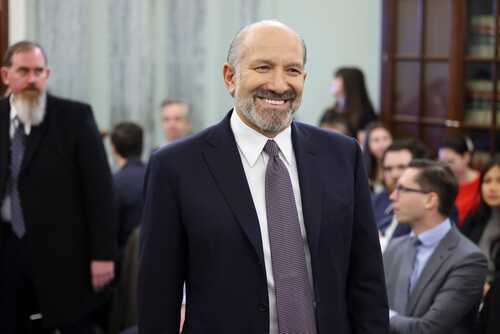
A proposed 40% tariff on Chinese trans-shipped goods and a likely 90-day extension of the U.S.-China trade truce signals the Trump administration’s aggressive new front in protecting American industry.
Story Snapshot
- Commerce Secretary Howard Lutnick confirms President Trump is poised to extend the U.S.-China tariff truce by 90 days as negotiations continue.
- The administration unveils a 40% trans-shipment levy to block Chinese goods from dodging tariffs by rerouting through other countries.
- New broad-based tariffs, some as high as 50%, take effect on imports from over 60 countries, aiming to defend American manufacturing.
- These moves are designed to counter long-standing globalist practices that have hurt U.S. workers, while raising concerns about costs and global supply chains.
Trump Administration Targets Chinese Trade Circumvention
On August 7, 2025, Commerce Secretary Howard Lutnick announced the Trump administration’s intent to extend the U.S.-China trade truce by another 90 days, pending final White House approval. This extension, which follows renewed negotiations in Stockholm, is designed to provide critical leverage in ongoing talks with China. At the same time, the administration revealed a new 40% tariff on Chinese goods rerouted through third countries—an aggressive anti-circumvention measure. This dual strategy aims to block Chinese attempts to dodge existing tariffs and directly supports American manufacturing and jobs.
Lutnick says US will likely extend China tariffs another 90 days https://t.co/i5t6EUqr1Y
— FOX Business (@FoxBusiness) August 7, 2025
This approach reflects President Trump’s campaign promise to put American interests first and limit the kind of backdoor deals that have allowed foreign competitors to erode U.S. economic strength. By imposing these tariffs, the administration seeks not only to pressure China but also to close loopholes exploited by multinational corporations, ensuring that the costs of tariffs cannot be easily sidestepped by creative supply chain routing.
Watch: Trump Says Secondary Tariffs on China Possible
Major Tariff Expansion Impacts Dozens of Countries
Alongside the likely truce extension with China, the Trump administration has rolled out new tariffs affecting imports from more than 60 countries, with some rates reaching up to 50%. These measures, effective August 7, are intended to counteract systemic trade abuses and protect core American industries from unfair foreign competition. The administration projects that tariff revenue will jump from $30 billion to $50 billion per month, helping to address longstanding fiscal imbalances and reduce reliance on deficit spending.
The broad scope of the new tariffs signals a willingness to challenge not only China but also other countries that have benefited from lax enforcement in the past. Sectors such as technology, agriculture, and manufacturing are expected to feel the greatest impact—both in terms of potential cost increases and the opportunity to reclaim market share from foreign competitors.
Ongoing Negotiations and Policy Implications
Negotiations between U.S. and Chinese officials remain active, with both sides signaling an intent to avoid escalation but refusing to back down from core demands. Tariff rates currently stand at 30% for Chinese goods entering the U.S. and 10% for U.S. goods entering China. Both governments have agreed to maintain these rates during the truce extension period, providing a window for further talks and potential breakthroughs. However, ongoing uncertainty continues to challenge American businesses that depend on global supply chains, forcing many to consider reshoring or diversifying their sourcing strategies.
Sources:
Lutnick says US will likely extend China tariffs another 90 days
China, US agree to extend tariff pauses after ‘constructive’ talks in Sweden