

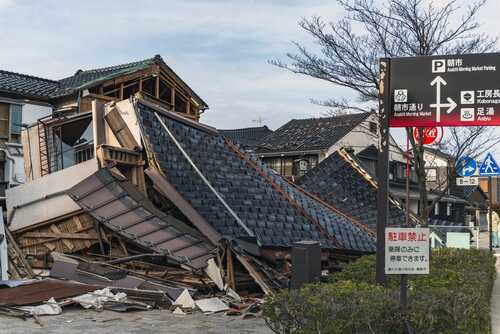
Japan’s Prime Minister issued an urgent warning that a catastrophic magnitude 8 mega-quake could strike soon, following a devastating 7.5 magnitude earthquake that forced 90,000 residents to evacuate.
Story Highlights
- 7.5 magnitude earthquake strikes Japan’s northeast, forcing mass evacuation of 90,000 residents
- Prime Minister warns of potential magnitude 8 mega-quake risk within one week
- Nuclear facility experiences radioactive water spill, raising safety concerns despite official assurances
- At least 30 injuries reported across three affected prefectures
- Tsunami waves reached 70 centimeters before warnings were lifted
Massive Evacuation Operation Mobilizes Across Three Prefectures
The December 8, 2025 earthquake struck Japan’s northeastern coast with devastating force, triggering immediate tsunami warnings and prompting authorities to evacuate approximately 90,000 residents from Hokkaido, Aomori, and Iwate prefectures. The seismic event demonstrates the persistent vulnerability of Japan’s densely populated coastal regions to natural disasters. Emergency response teams mobilized rapidly, implementing evacuation procedures developed through decades of disaster preparedness following the catastrophic 2011 Tōhoku earthquake that claimed approximately 20,000 lives.
Watch:
Nuclear Facility Incident Raises Safety Questions
The Rokkasho reprocessing plant, a strategically critical nuclear facility in the affected region, experienced a minor radioactive water spill during the earthquake. While officials confirmed the incident posed no immediate safety risk, the event highlights ongoing concerns about nuclear infrastructure vulnerability in seismically active zones. This incident occurs as Americans increasingly question the wisdom of maintaining nuclear facilities in earthquake-prone areas, particularly given the devastating consequences witnessed at Fukushima in 2011. Conservative voices have long advocated for energy independence through domestic oil and gas production rather than relying on potentially hazardous nuclear technology.
Prime Minister Issues Catastrophic Mega-Quake Warning
Japan’s Prime Minister escalated public alarm by warning of elevated risks for a magnitude 8 mega-quake within the following week, representing a significant escalation in official risk communication. This warning suggests heightened seismic instability that could produce consequences exceeding the 2011 Tōhoku disaster. The Prime Minister’s unprecedented public warning indicates scientific assessments have identified dangerous geological conditions that threaten millions of Japanese citizens. Such massive seismic events could disrupt global supply chains and economic stability, affecting American consumers and businesses dependent on Japanese manufacturing and technology exports.
Tsunami Threat Subsides But Aftershock Risks Persist
Tsunami warnings were lifted early December 9 after waves reached maximum heights of 70 centimeters, significantly lower than the devastating 2011 tsunami that reached over 40 meters in some areas. However, at least 30 injuries have been reported, and emergency services remain mobilized across the affected prefectures. The immediate crisis demonstrates Japan’s improved early warning systems and evacuation capabilities developed since 2011. Yet the Prime Minister’s continued mega-quake warnings suggest the threat to regional stability remains severe, with potential implications for American strategic interests in the Pacific region.
Economic and Strategic Implications for American Interests
Japan’s seismic instability threatens critical supply chains supporting American technology, automotive, and manufacturing sectors. The affected northeastern prefectures contain important economic zones and infrastructure that supply global markets with essential components and materials. A magnitude 8 mega-quake, as warned by Japanese officials, could severely disrupt these supply chains, potentially triggering inflation and shortages similar to those experienced during recent global crises. This situation underscores the importance of American energy and manufacturing independence, reducing reliance on foreign nations vulnerable to natural disasters and geopolitical instability.
Sources: