Michelle Obama’s recent comments question her role as merely “Barack’s wife,” sparking a conversation about traditional gender roles and media portrayal.
Story Highlights
- Michelle Obama challenges being seen as just “Barack’s wife” on a podcast.
- Her remarks have reignited discussions about gender roles and media bias.
- The Obamas address persistent divorce rumors through public affirmations.
- Michelle emphasizes women’s autonomy and challenges societal expectations.
Michelle Obama’s Stand on Gender Roles
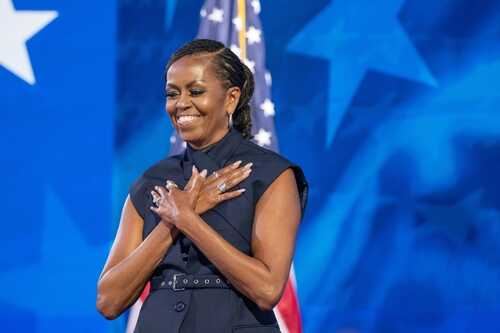
In a January 2026 appearance on the “Call Her Daddy” podcast, Michelle Obama candidly expressed her frustration at being primarily recognized as “Barack’s wife.” Her remarks have sparked renewed dialogue on gender roles and the media’s portrayal of women. Michelle, who has consistently advocated for women’s autonomy, challenged societal expectations that often reduce accomplished women to their marital roles. Her statements are especially poignant given her history of addressing marital challenges with honesty.
Michelle’s comments also touched upon her relationship with former President Barack Obama, where she stressed the importance of acceptance in long-term relationships. Despite persistent rumors about their marriage, fueled by her absences from high-profile events, the couple has consistently countered such speculations through public affirmations of their bond, as seen in their recent Valentine’s Day posts. Her direct engagement with these rumors on platforms like podcasts highlights her proactive approach to narrative control.
Watch:
Media’s Role and Public Perception
The media’s role in shaping public perception, especially concerning high-profile figures like the Obamas, has come under scrutiny. Michelle’s assertion against being defined by her marriage underscores a broader challenge against media bias and the perpetuation of gender stereotypes. Her critique is not just a personal grievance but a public service to normalize discussions around marital imperfections and to empower women to assert their identities beyond societal labels.
Such narratives have significant implications for public discourse, particularly in challenging outdated stereotypes that equate women’s independence with marital instability. By confronting these issues publicly, Michelle Obama continues to influence the narrative around women’s roles, encouraging a shift toward more nuanced and equitable representations.
Impact on Conservative Values
For conservative audiences, Michelle Obama’s remarks may appear as a challenge to traditional family values. However, her emphasis on autonomy aligns with core conservative principles of individual liberty and personal responsibility. While some may view her critique of gender roles as contentious, it’s crucial to recognize the broader context of promoting self-reliance and challenging excessive media influence, both of which resonate with conservative ideals.
Michelle Obama Complains That People Best Know Her For Being ‘Barack Obama’s Wife’ (VIDEO) https://t.co/tF2bwwX4OG #gatewaypundit via @gatewaypundit
— Dianna Slonaker (@DiannaSlonaker) January 25, 2026
As discussions around her comments continue, they underscore the importance of evaluating media narratives critically and championing a diverse range of voices. Her stance invites a re-examination of how public figures, especially women, are portrayed and the underlying biases that still persist in societal narratives.
Sources:
Michelle Obama Fuels Rocky Marriage Rumors with Latest Comments About Barack
Michelle Obama Addresses Marital Rumors
Michelle Obama Says She Would Actively Work Against Barack Running Hypothetical Third Term
Michelle Obama Says World Isn’t Ready for a Female President