
Environmental activists are pushing to halt the Pacific Airshow after rare sea turtle nests appeared nearby, even as officials say safeguards are working.
Story Highlights
- Two protected sea turtle nests were fenced and placed under 24-hour monitoring near Huntington and Seal Beach.
- The incubation window overlaps the airshow dates, raising fears about disturbance.
- Huntington Beach says the protected area sits outside the main airshow footprint, and ground routes were moved.
- Organizers kept the flight schedule unchanged while adding on-the-ground protections.
What Sparked The Clash On The Sand
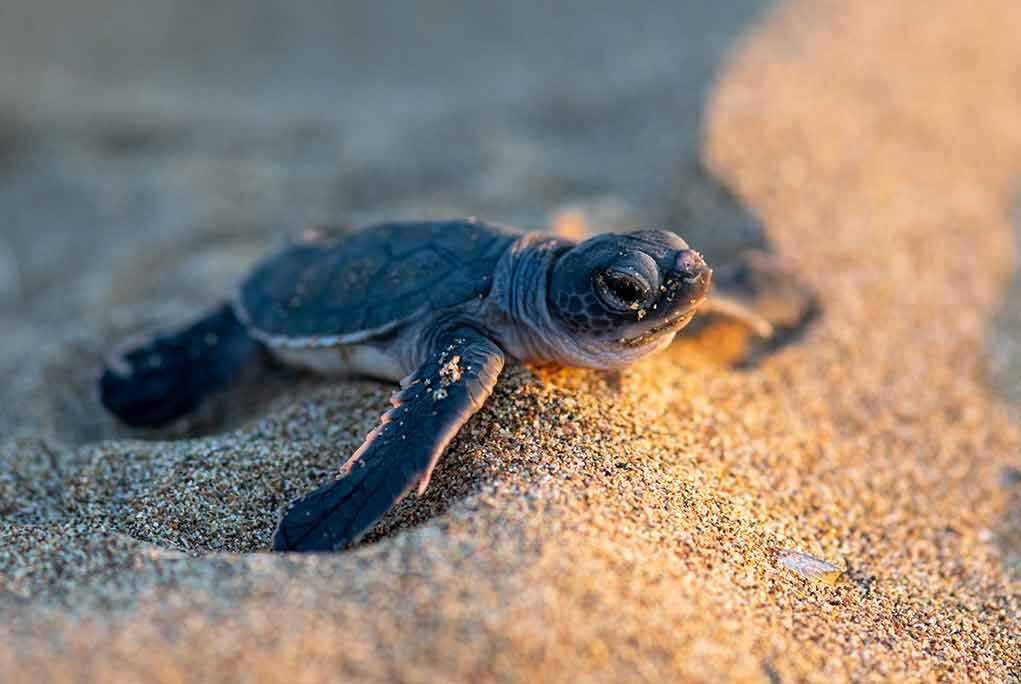
Federal and local officials confirmed two sea turtle nests appeared on Orange County beaches in mid-September, including one near the Huntington Beach Pier. The National Oceanic and Atmospheric Administration said this is the first recorded natural sea turtle nesting on the United States West Coast, which makes the sites a high priority for protection. Staff fenced the areas and posted signs, and teams began continuous monitoring to guard the eggs through the full incubation period.
The timing set up a fight with the Pacific Airshow, one of Southern California’s biggest beach events. The incubation window of about 45 to 60 days overlaps the early October airshow dates, raising alarms among activists who want a postponement. Officials asked the public to keep clear of both nests so the eggs have the best chance to hatch, reinforcing the need for distance and calm around the sites.
How Officials Are Managing The Nests
City leaders say they are working with federal biologists to shield the nests while keeping the airshow running. Huntington Beach Mayor Casey McKeon said crews set a roughly 50-by-50-foot protective buffer and placed it outside the main airshow footprint. Organizers also shifted pedestrian routes, vendor booths, and attractions away from the protected zones to cut traffic and pressure near the fencing. Despite those moves, the flight schedule remains in place.
Agencies stressed visible, simple steps the public can follow. Fences and signs mark the nests, and officials urged beachgoers to steer clear and avoid any disturbance. These measures match common coastal practice: start with fencing, monitoring, and routing changes, and consider delays only if risks cannot be managed near the protected area. That approach reflects the evidence gap around eggs on busy beaches and relies on targeted mitigation first.
What We Know — And What We Do Not
Reporters have not documented harm to the nests from airshow activity. The record shows proximity and bad timing, not proof of damage. Experts and lifeguards continue to monitor both sites, while the city keeps crowds and vendors off the buffer. Officials also noted it is unclear if the two nests came from one turtle or two, which limits claims about broader population impact. That uncertainty, plus working buffers, weakens the case for a full shutdown today.
FLORIDA SPENT 50 YEARS BUILDING A SYSTEM TO PROTECT SEA TURTLE NESTS. CALIFORNIA HAS 45 DAYS TO BUILD ONE FROM SCRATCH.
Last week an olive ridley sea turtle laid eggs on Huntington Beach. First recorded nesting of any sea turtle species on the entire US West Coast. Three days… https://t.co/Ns3asjAGFw pic.twitter.com/f2gAbMXmHI
— Joying.eth (@Joyingeth) September 24, 2026
One National Oceanic and Atmospheric Administration scientist told a local outlet that loud sounds and vibrations have little effect on egg development, which supports the focus on space, not noise. That does not end the debate, but it helps frame what matters most on the beach: keep people and equipment off the sand near the nests and reduce night lighting. Right now, the city’s plan follows that logic, with monitoring and rerouted foot traffic as the main tools.
What It Means For Families, Flyers, And Freedom
Huntington Beach is trying to protect wildlife and keep a major event alive. That balance respects both conservation and common sense. Families plan for this show each year, and local shops count on it. Shutting it down without clear evidence of risk would punish the community for a problem that fencing and smart routing already address. Targeted protection, not blanket bans, is the responsible path that preserves tradition and safeguards nature.
Activists often jump to closures that hit working people first. Here, officials set a better example: define the buffer, enforce it, inform the public, and keep life moving. If new data shows higher risk, leaders can tighten rules near the nests. Until then, the facts support mitigation over cancellation. That approach guards the rare nests, honors property and community interests, and avoids mission creep that feeds government overreach.
What To Watch Next
Watch for any change in hatch success or new nests near the show footprint. Look for agency updates on lighting and night activity along the beach, which can affect hatchlings. Track whether the city expands buffers during peak crowd hours. If these tools hold, Orange County can host a safe, successful airshow and still celebrate a first-in-history wildlife event on the West Coast — proof that stewardship and freedom can share the sand.
Sources:
nypost.com, ocregister.com, us.headtopics.com, new.patch.com, theguardian.com, accuweather.com, yahoo.com, usatoday.com