Two missing California men turned up dead in shallow graves cut into the desert floor, and investigators still refuse to say how they died or who put them there.
Quick Take
- Los Angeles County deputies identified the remains as Ricky Phillips, 61, and Edward Perez, 46.
- Both men were reported missing in September before their bodies turned up on a remote Lancaster property.
- The Sheriff’s Department has not released a cause of death or named any suspects.
- Investigators kept digging at the site, searching for signs of more victims.
Two Lancaster Men Vanish, Then Turn Up Buried in the Desert
Ricky Phillips and Edward Perez both lived in the Lancaster area before they went missing in September. Weeks later, homicide detectives found their remains buried in shallow graves on an isolated desert property outside the city. The Los Angeles County Sheriff’s Department confirmed the identities to reporters, tying the grim discovery directly to the earlier missing-person reports filed on both men.
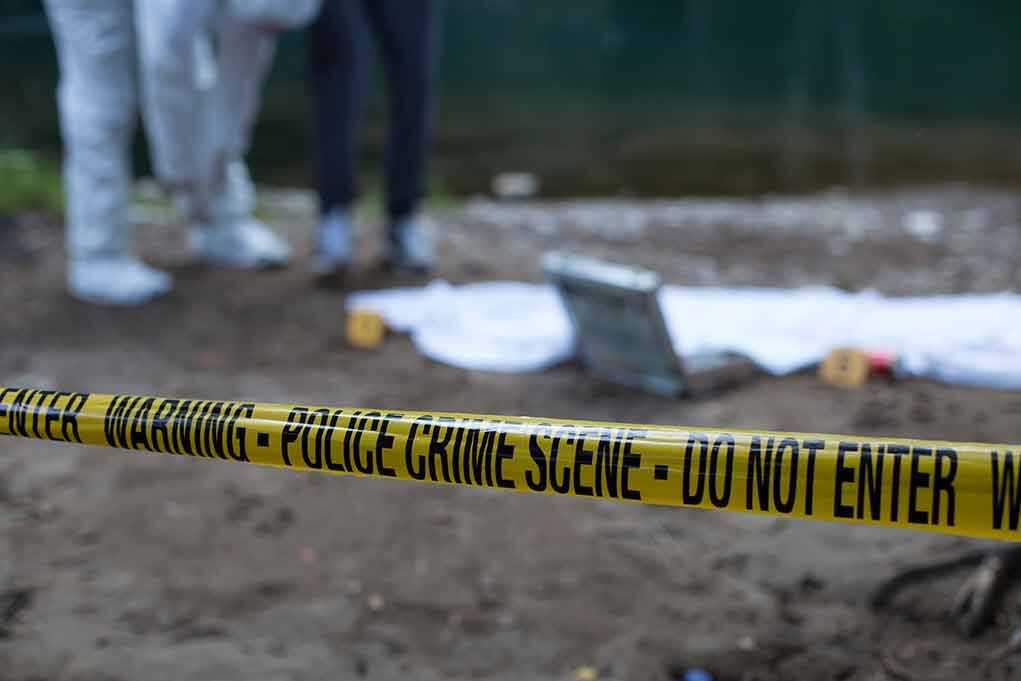
The property sits in a stretch of the Mojave Desert known for its emptiness, far from the eyes of neighbors or passersby. That isolation is exactly why detectives believe the location was chosen. Investigators have spent days combing the site, a process that began once deputies responded to the remote location and uncovered the first set of remains earlier in the week.
Sheriff’s Department Confirms Identities But Stays Silent on Cause
Detectives have not said how Phillips or Perez died, and they have not named a suspect or a motive. That silence is standard procedure in an active homicide investigation, where releasing too much too soon can tip off a killer or compromise evidence. Still, families and neighbors in Lancaster are left waiting, with no public timeline for when charges or further details might come.
Search crews did not stop once the two bodies were recovered. Digging continued at the property for additional days afterward, a sign that investigators suspect the site may hold more than the two victims already confirmed. The New York Post described the case as an intensifying double-homicide investigation, underscoring how seriously detectives are treating the scene.
California’s Deserts Have a Long, Dark History of Hidden Graves
This is not the first time California’s vast desert has hidden a crime for weeks, years, or decades. The infamous McStay family case saw a father, mother, and two young sons vanish in 2010, only for their remains to surface nearly four years later in shallow Mojave Desert graves found by a passing motorcyclist. Other remains buried in the same desert region have taken over 30 years to identify, relying on advances in DNA technology.
That history matters because it shows how easily California’s open, empty land can become a dumping ground for violence, and how long it can take for justice to catch up. Conservatives who have long criticized the state’s soft-on-crime policies and overwhelmed law enforcement resources will see this case as another reminder that public safety requires real investigative muscle, not excuses.
Missing men found dead in shallow graves in California desert as mystery grows https://t.co/0wNHtslkxP pic.twitter.com/V9JDveC5w8
— California Post (@californiapost) October 3, 2026
Medical examiners in California routinely label a cause of death as “deferred” when toxicology and other testing remain pending, a process that can take two to four months or longer. That standard practice explains why the public has not yet received a final ruling on how Phillips and Perez died, even though their identities are confirmed. It is a procedural delay, not a dead end, and detectives are continuing their work.
Families Deserve Swift Justice, Not Years of Silence
Lancaster residents now wait for answers the same way families did in other infamous desert cases that stretched on for years before resolution. The Sheriff’s Department has given no indication of an arrest timeline, but the active digging at the property signals detectives are not treating this as closed. For two local families, the only path forward is a thorough investigation that names a suspect and brings real accountability.
Cases like this test whether California’s justice system can move faster than it has in the past, when desert remains sat unidentified for decades. Taxpayers and families alike expect law enforcement to use every modern tool, from DNA testing to forensic science, to close this case before it becomes another cold file gathering dust in the Mojave sand.
Sources:
nypost.com, latimes.com, rollingout.com, abc15.com, independent.co.uk, abcnews.com