A viral “ceasefire sabotage” narrative is colliding with a harder reality: Trump’s Iran truce was never designed to stop Israel’s war with Hezbollah in Lebanon.
Story Snapshot
- Israel struck more than 100 Hezbollah-linked targets in Lebanon as a separate conflict continued alongside a U.S.-Iran ceasefire.
- Iran threatened to walk away from the U.S.-Iran truce unless Hezbollah-related fighting was effectively restrained or included.
- Israeli officials said the ceasefire framework did not cover Lebanon, even as U.S.-Iran talks pursued de-escalation.
- Commentary outlets framed the strikes as a deliberate attempt to “destroy” Trump’s deal, but available reporting does not establish intent.
What actually happened in Lebanon—and why it matters for Trump’s deal
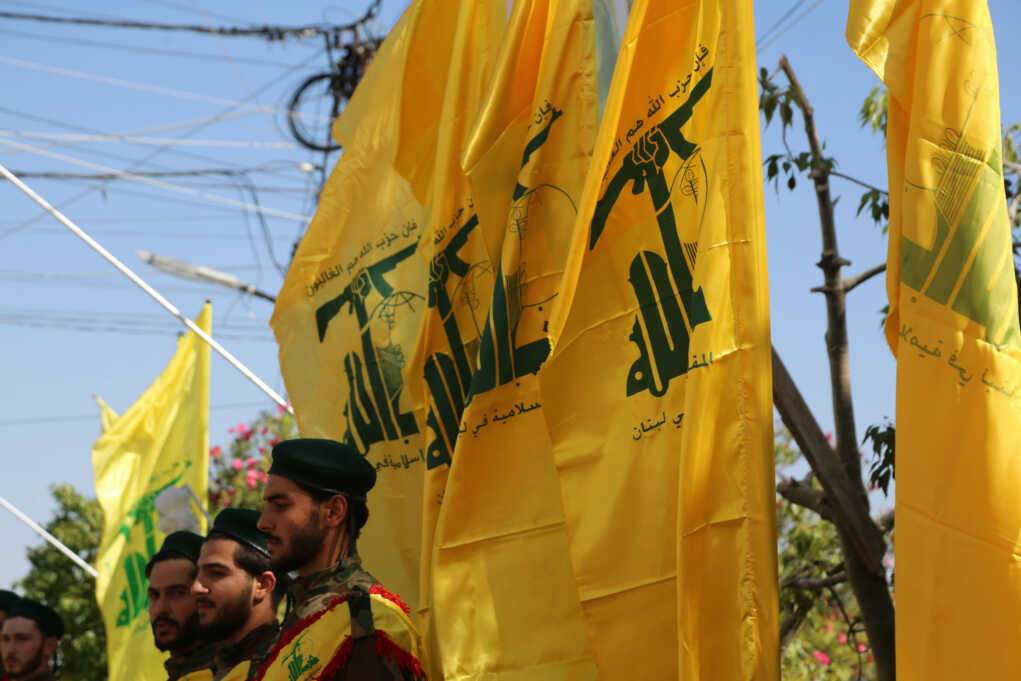
Israeli strikes on April 8 hit more than 100 Hezbollah targets in Lebanon, including sites described as command infrastructure in Beirut. Lebanese health officials reported 91 killed in Beirut and 182 nationwide, while broader reporting put total deaths from Israeli strikes since the conflict began at more than 1,530 in Lebanon. The immediate significance for Washington is timing: the strikes landed as the Trump administration pursued a two-week de-escalation arrangement with Iran tied to “Operation Epic Fury.”
Iran seized on the Lebanon front to pressure the White House, warning that the ceasefire could collapse if Hezbollah and Lebanon were excluded. Iranian officials framed the issue as the U.S. choosing between enforcing a ceasefire or sliding into wider war through continued Israeli action. That threat matters because it tests whether the U.S.-Iran arrangement is a narrow pause or a broader regional reset. It also exposes a recurring diplomatic weakness: Tehran often uses proxy conflicts to extract leverage in talks that appear separate on paper.
Why claims of “ceasefire destruction” are hard to prove from the record
Commentary describing the strikes as a “terror attack” and a deliberate effort to wreck Trump’s ceasefire is rhetorically powerful, but the public record cited in mainstream reporting does not establish that intent. Reporting emphasized that the U.S.-Iran ceasefire did not include Hezbollah and was focused on U.S.-Iran de-escalation rather than Israel’s Lebanon campaign. In other words, a ceasefire limited to U.S.-Iran hostilities can still be “rocked” by regional events without being formally violated—especially when Israel is pursuing separate security objectives.
Israeli messaging reinforced that separation. Netanyahu’s office described the ceasefire as not covering Lebanon and said the U.S. conveyed it remained committed to shared goals in talks with Iran. That distinction is central for American voters trying to read the tea leaves: it suggests the administration may view the Iran track and the Hezbollah track as parallel problems—one addressed through diplomacy, the other through allied military pressure. Critics can argue the approach is too compartmentalized, but the available sourcing does not prove a coordinated plan to sabotage U.S. policy.
The deeper strategic problem: Hezbollah’s role as Iran’s pressure valve
Hezbollah’s position complicates any limited ceasefire because it provides Tehran a way to escalate without directly engaging U.S. forces. Analysts cited in reporting argue Hezbollah is unlikely to disarm voluntarily and portrays itself as a protector of Shiite communities, making it politically resilient inside Lebanon. Israel has also argued Hezbollah embeds assets in civilian areas, creating a grim reality where military strikes can produce civilian casualties even when the stated target is militant infrastructure. That dynamic increases the odds of diplomatic breakdowns driven by outrage and retaliation.
From a conservative lens, this is where “maximum leverage” and limited-government realism intersect. If the administration’s goal is to reduce direct U.S. exposure while pressuring Iran, allowing Tehran to treat Hezbollah as a veto over U.S.-Iran diplomacy risks turning every ceasefire into a hostage negotiation. At the same time, Americans across the political spectrum remain wary of open-ended foreign entanglements after decades of costly interventions. The immediate challenge for Trump is maintaining deterrence and bargaining power without letting proxy warfare dictate U.S. terms.
What to watch next in Washington, Jerusalem, and Tehran
The next inflection point is whether Iran follows through on threats to end the truce or uses the warnings as negotiating posture. Public reporting has not confirmed a collapse as of April 9, but it describes the arrangement as shaken within hours by regional strikes and missile activity. Another key question is whether U.S. officials press for clearer boundaries—either explicitly separating the Iran ceasefire from Lebanon or attempting to broaden it, which would dramatically raise the complexity and the odds of failure.
For Americans frustrated with a federal government that often seems reactive, this episode is a reminder that foreign policy is frequently run on competing timelines: election cycles, military windows, and diplomatic deadlines that rarely line up neatly. Trump’s leverage may be real, especially if Iran’s position is weakened, but leverage only matters if the U.S. defines non-negotiable interests and enforces them consistently. Without clearer terms, adversaries will keep testing the seams—using proxies, propaganda, and civilian suffering to bend U.S. decision-making.
Sources:
Iran threatens to end ceasefire over Hezbollah’s exclusion from truce deal
Tucker: “Netanyahu’s Terror Attack on Lebanon Destroys Trump’s Ceasefire” (Transcript)