
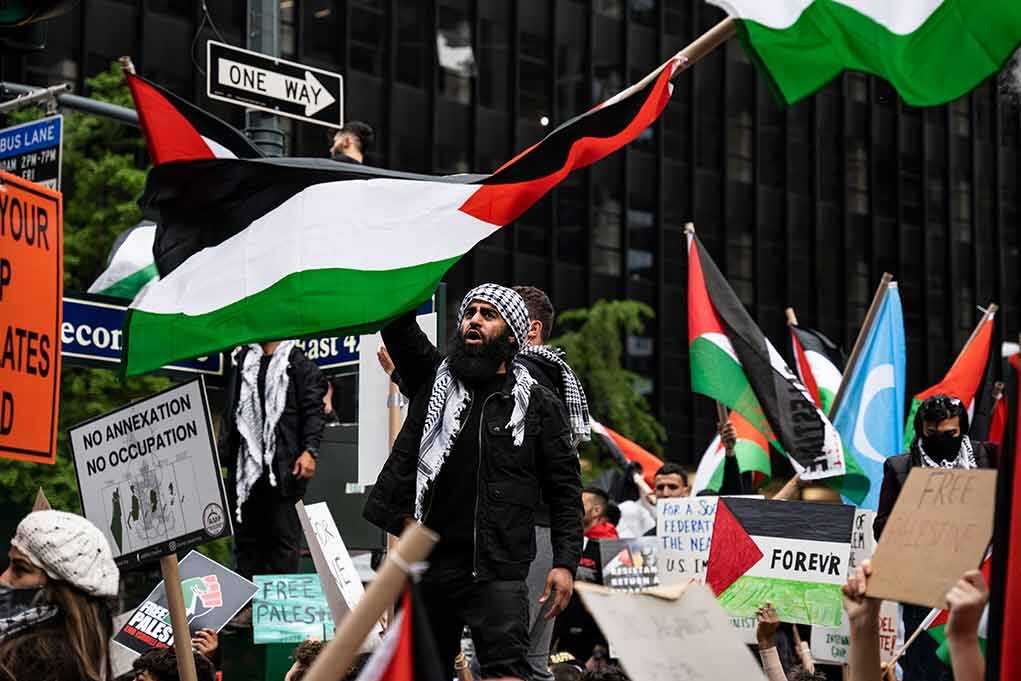
A growing push to label antiwar criticism as “antisemitic” now threatens free speech and honest debate on American campuses and beyond.
Story Snapshot
- Civil liberties groups say schools curbed lawful speech to avoid federal penalties.
- Scholars note that criticizing Israel’s policies is not the same as hating Jews.
- Analysts warn some rhetoric crosses into prejudice, but policy critique remains lawful.
- Protesters abroad tie war spending to cuts in health, schools, and culture.
Campus Crackdowns Raise First Amendment Alarm
American Civil Liberties Union researchers say colleges limited student speech out of fear of civil rights probes and funding loss. The report describes “suppression of pro-Palestine and anti-genocide speech,” including encampment bans and discipline tied to vague bias rules. The analysis argues that this pressure chilled lawful protest and debate. It also says that broad definitions of antisemitism were used in practice to police speech that was political, not hateful, creating a climate of self-censorship on campus.
Inside Higher Ed similarly reported that universities adopted “systemic suppression” of protesters. The article describes how administrators leaned on expansive harassment standards and security claims to restrict rallies and remove encampments. The coverage cites the civil liberties findings and points to recurring patterns. Schools acted quickly under donor heat, media pressure, and government scrutiny. These actions often swept up peaceful critics along with any bad actors, blurring the line between safety policies and speech limits that burden dissent.
What Counts as Antisemitism Versus Policy Critique
Cambridge scholarship cites the International Holocaust Remembrance Alliance clarification that criticism of Israel, like criticism of any country, is not inherently antisemitic. That distinction matters. Public debate includes harsh words about leaders, lobbies, and wartime errors. That debate is normal in a free society. Analysts also warn that some antiwar speech has crossed lines by blaming Jews collectively or pushing control conspiracies. The Israeli think tank analysis says those claims become antisemitic, even while policy criticism remains legitimate.
Writers across the spectrum agree on a simple rule. People can oppose escalation, question foreign aid, and demand cease-fires without malice toward Jews. The American Jewish Committee has argued that opposing war with Iran is not antisemitic, but blaming “the Jews” is. That matches the Cambridge point and supports a clear standard. Condemn prejudice. Protect dissent. Draw the bright line at collective blame. Apply the same rule whether the target is Jews, Christians, Muslims, or any group.
Why This Fight Matters for Free Speech and Common Sense
American conservatives know what happens when elites stretch labels to silence speech. We have seen “misinformation” tags hide policy failures. We have watched speech codes grow while crime, prices, and tuition rise. The civil liberties report warns that administrators used federal pressure and broad antisemitism rules to police lawful protest. That setup invites abuse. It lets powerful actors punish political views by calling them hate, instead of answering arguments with facts in open debate.
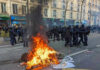
Global protests show the broader stakes. A video from Amsterdam features young people rejecting call-ups and warning that war budgets drain health care, schools, and culture. Their point is simple and resonates with American taxpayers. War has trade-offs. Dollars sent abroad are not fixing roads at home. That is not hate speech. That is budget math. Adults should be free to argue those trade-offs without being branded bigots, so voters can judge policy on merit and cost.
What Leaders Should Do Now
University leaders should restore neutral speech rules and narrow harassment standards to true threats and targeted abuse. Officials should publish clear examples that separate bigotry from policy critique. Congress should reaffirm that the First Amendment covers peaceful, even harsh political speech. Investigators should demand evidence of actual harassment, not feelings about slogans. These steps protect Jewish students from real hate while safeguarding the right to question war, aid packages, and foreign lobbies without fear of punishment.
Bottom Line for Readers
America can fight antisemitism and defend free speech at the same time. The record shows criticism of Israel’s government is not the same as hating Jews. Civil liberties groups report that schools crossed lines and chilled lawful speech under federal pressure. Conservatives should insist on the bright line: condemn prejudice, protect dissent. That is how we defend the Constitution, keep debate honest, and force Washington and the academy to answer hard questions about war, money, and freedom.
Sources:
youtube.com, antiwar.com, nexusproject.us, tandfonline.com, original.antiwar.com