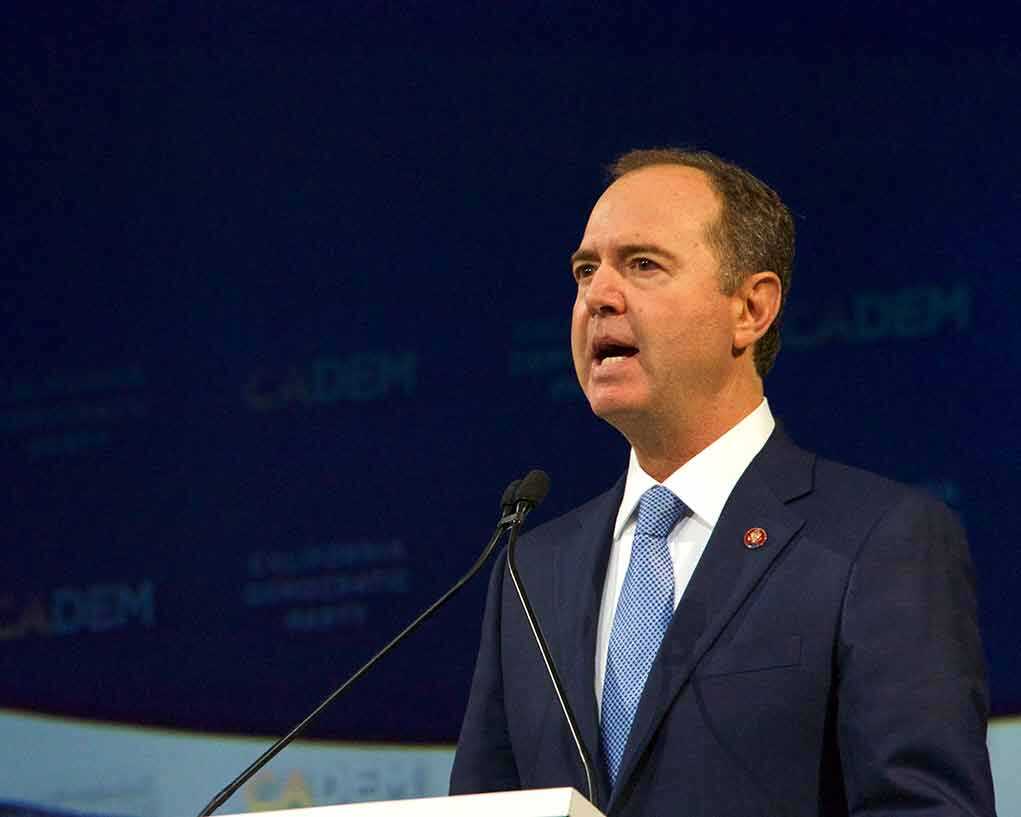
Adam Schiff said he is in “strong agreement” with President Trump on a federal film tax incentive to keep movie and TV jobs in America.
Story Highlights
- Schiff backed Trump’s call for a national film tax credit and urged Congress to act now.
- Schiff has pushed incentives over blanket tariffs since 2025, warning tariffs could backfire.
- California leaders and unions have lobbied for a federal credit to match foreign subsidies.
- Research shows incentives can boost production activity, though fiscal payoffs are debated.
Schiff Aligns With Trump On Federal Film Tax Credit
Senator Adam Schiff of California publicly endorsed President Trump’s push for a federal film and television production tax incentive. Schiff wrote that he is in “strong agreement” with the President and called on Congress to pass a national credit to keep jobs and shoots in the United States. The statement marked a rare moment of policy unity after years of fierce fights. Schiff framed the credit as a way to compete with foreign subsidies and bring work back to American crews.
President Trump has pressed for tools to revive domestic production and protect American workers. Schiff’s message embraced that aim and focused on a federal credit as the main lever to beat overseas incentives. Conservative readers will note the shift: a leading California Democrat urging action with the Trump administration to favor American jobs. The practical question now sits with Congress. Lawmakers must draft clear guardrails so the benefit rewards real domestic spending and real employment gains.
Why A Federal Credit, Not Broad Tariffs
Schiff has been on record since 2025 favoring a sizable national incentive while cautioning against blanket tariffs on foreign-made films. He argued that sweeping tariffs could carry unintended costs, while a targeted credit can steer production back home without punishing consumers or allies. That view matches outreach by California leaders and guilds who have pushed Washington to mirror the aggressive subsidies used by Canada and the United Kingdom to lure U.S. shoots abroad.
California’s push followed years of productions chasing rebates overseas. Industry advocates say a federal credit would level the field, reduce flight, and anchor work near long-standing studio hubs. Reporting shows Schiff and allies drafted concepts to counter generous foreign packages that can cover large shares of a budget. The policy choice is simple to explain. Credits try to pull jobs in with carrots. Tariffs try to block rivals with sticks. Schiff is backing the carrot approach, aligned with Trump’s goal to “make” in America.
What The Research Says About Film Incentives
Academic reviews find that film incentives tend to increase activity in the targeted sector, though the budget return is contested. Studies show gains in shoots and related spending, but mixed results on long-term jobs and wages. That is why debates repeat and programs shift over time. For Congress, the lesson is design. Caps, audits, and strong in-state work rules matter. Poorly built credits can leak value. Well-aimed credits can boost crews, vendors, and soundstages without runaway costs.
States have long tried credits, grants, and rebates to capture productions. That bandwagon spread as more places competed for the same projects. A federal credit would set a national floor and reduce the race among states while targeting global rivals. Lawmakers weighing this step can pair the credit with clear job metrics and sunset reviews. That keeps the program focused on results and protects taxpayers while supporting President Trump’s goal to grow American jobs in a strategic industry.
The Politics: Unusual Allies, Urgent Timeline
Coverage notes this is not the first time California Democrats have asked Washington to act on a large federal credit, but Schiff’s “strong agreement” with Trump is striking. The public nod gives political cover for bipartisan talks and signals momentum after months of industry outreach on Capitol Hill. Schiff’s call to “work together” invites Republicans and Democrats to craft a bill that puts American crews first and keeps production spending inside our borders, not offshore.
Adam Schiff Announces 'Strong Agreement' With Trump on Hollywood Tax Plan: 'Let's Work Together' https://t.co/8w90PjmSt8
— Mediaite (@Mediaite) September 1, 2026
For conservative readers, the stakes are clear. This is about American jobs, domestic supply chains, and cultural leadership built at home. A focused tax credit, tightly policed, can move productions back without fueling another bloated subsidy scheme. President Trump set the objective. Schiff just signed on. Congress now has a chance to deliver a plan that helps workers, respects taxpayers, and stops the slow bleed of a core American industry to foreign treasuries.
Sources:
mediaite.com, foxnews.com, deadline.com, latimes.com