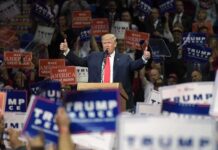

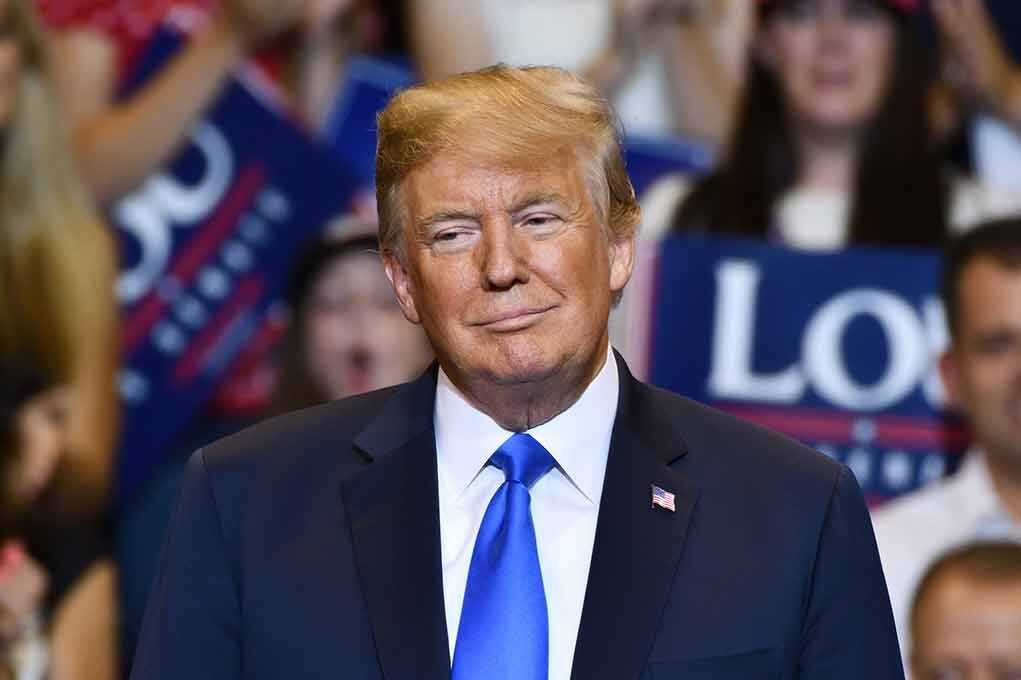
President Trump said he “did nothing wrong” and asserted he can issue a self-pardon under the Constitution, reviving a high-stakes clash over executive power and the rule of law.
Story Highlights
- Trump said he is allowed to issue a self-pardon and repeated he “did nothing wrong.”
- The Constitution grants broad pardon power and does not mention self-pardons.
- The Justice Department’s 1974 memo argued a president cannot pardon himself.
- No court has ever ruled on a presidential self-pardon, leaving the issue open.
Trump’s On-Record Claim and What It Means
President Trump told interviewers that he “did nothing wrong” and that he is “allowed to do a self-pardon,” placing the self-pardon debate back at center stage as legal and political fights continue in Washington. His statement matches a long-running view among many conservatives that Article II grants a wide pardon power that reaches even before charges are filed. Trump also said presidents can protect staff from drawn-out legal warfare, underscoring the practical stakes of clemency.
Article II of the Constitution gives the president power to “grant Reprieves and Pardons for Offenses against the United States, except in Cases of Impeachment.” The text does not address self-pardons. Courts have described the pardon power as unusually broad, and analysts note that it can cover federal crimes even before indictments. Still, the lack of explicit language on self-pardons leaves a gap that only courts can close, if a real test case arises in federal court.
The Legal Fight: Text, Structure, and a 1974 Department Memo
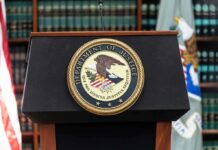
The strongest pushback comes from a 1974 Justice Department Office of Legal Counsel memorandum. It states that no person may be a judge in his own case and concludes a president cannot pardon himself. That document is an internal executive-branch legal view, not a court ruling, but critics often cite it as the government’s position. The memo’s author, Mary C. Lawton, argued that allowing self-pardons would violate a core rule of fairness that supports our legal system.
Legal scholars on the left and right also question self-pardons on structural grounds. They argue the founders designed checks and balances to stop self-dealing. Some point to impeachment as a clear limit written into the text, which shows the power is not absolute. Others say the Supreme Court would likely read the pardon power in light of that structure. But because no president has triggered a final court test, these arguments remain untested predictions.
What Is Settled, What Is Not, and Why It Matters Now
Three things are clear. First, the presidential pardon power is broad for federal crimes. Second, the Constitution is silent on self-pardons. Third, no court has issued a final ruling on the matter. That means the next word would likely come from judges if a self-pardon were issued and then challenged in a live federal case. Any ruling would likely move fast through appeals, with the Supreme Court having the last say.
━━━━━━━━━━━━━━
SKYLINE RECEIPTS
━━━━━━━━━━━━━━"THE CORPORATE SELF-PARDON WORKAROUND"
1. U.S. Department of Justice — “Clemency Grants by President Donald J. Trump (2025-Present)”https://t.co/dec86iQTIe
2. The University of Chicago Law Review…
— P a u l ◉ (@SkylineReport) October 14, 2026
For conservatives, the stakes are simple. America needs equal justice, not political lawfare. If presidents cannot defend the office from partisan attacks, the executive branch weakens and future leaders will face the same traps. If the courts decide that self-pardons are off-limits, they should do so on clear constitutional grounds, not on media spin or bureaucratic habit. Until then, the debate will turn on text, history, and the limits that the Constitution itself sets.
Sources:
irishstar.com, realclearpolitics.com, en.royanews.tv