
The Trump administration is revolutionizing America’s approach to protecting children and families through innovative policies that prioritize fiscal responsibility, technology, and private partnerships over bloated government programs.
Story Highlights
- First Lady Melania Trump leads “Fostering the Future” executive order to modernize foster care system serving 343,000 children
- Trump administration proposes eliminating $4 billion in ineffective youth programs while creating private-funded “Trump Accounts” with $6 billion commitment
- New policies empower faith-based organizations and leverage AI technology to improve child welfare outcomes
- Budget reforms redirect resources toward protecting American children from trafficking and violence while cutting wasteful spending
Revolutionary Foster Care Reform Takes Center Stage
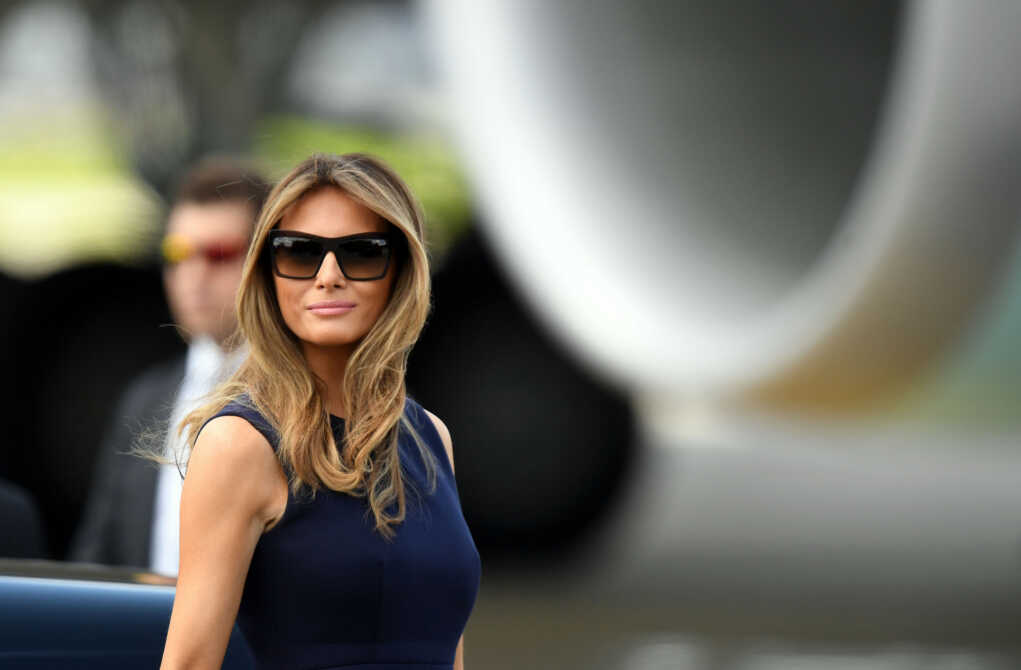
First Lady Melania Trump announced the “Fostering the Future” executive order in November 2025, marking a dramatic shift in federal child welfare policy. The initiative targets America’s foster care crisis affecting 343,000 children by implementing data transparency measures, AI-powered matching tools, and partnerships with faith-based organizations. The executive order mandates annual state scorecards tracking outcomes including reduced maltreatment deaths and shorter foster care stays, holding states accountable for results rather than merely processing paperwork. This common-sense approach represents exactly the kind of efficiency-driven governance conservatives have demanded for decades.
Private Sector Steps Up Where Government Failed
The administration unveiled “Trump Accounts” in March 2026, establishing savings plans for children under 18 with a remarkable $6 billion pledge from the Dell family. White House Press Secretary Karoline Leavitt explained the accounts give America’s “next generation a jumpstart on savings,” demonstrating how private enterprise can achieve what bloated government programs never could. This innovative model bypasses federal spending while providing tangible benefits to American families. The initiative reallocates unspent transition funds toward education, proving that smart governance doesn’t require endless taxpayer dollars to deliver results for hardworking American families.
Cutting Wasteful Programs to Focus on Real Protection
The 2026 budget proposal eliminates over $4 billion in ineffective youth programs including Job Corps and AmeriCorps, redirecting resources toward protecting American children from trafficking and violence. The Office of Justice Programs prioritized “protecting American children” and anti-trafficking efforts in April 2025 communications, aligning funding with law enforcement priorities rather than social experiments. While National CASA funding decreased from $14 million to $9 million, the organization’s restored funding now aligns with practical child advocacy supporting law enforcement. Critics complain about cuts to safety nets, but conservatives recognize this represents fiscal responsibility and targeting resources where they actually protect vulnerable children from real threats.
The budget retains $65 million in juvenile justice formula grants while consolidating mental health services under a new “Administration for a Healthy America.” This restructuring eliminates bureaucratic redundancy plaguing HHS operations for years. Faith-based organizations gain expanded authority to provide foster care and adoption services, addressing critical shortages through community-driven solutions rather than government overreach. The empowerment of religious organizations reverses discrimination these groups faced under previous administrations, restoring their constitutional right to serve vulnerable families according to their values without government interference or ideological litmus tests.
Youth services experts acknowledge the budget represents significant downsizing of juvenile justice programs, but supporters emphasize technology and private partnerships can deliver superior outcomes. The Invisible Children organization praised the executive order for expanding family access to fostering during an acute crisis with declining foster home availability. Implementation continues through the 180-day phase following the November 2025 executive order signing, with state scorecards driving accountability and measurable improvements in child welfare outcomes that bureaucrats have failed to achieve despite decades of taxpayer funding and empty promises.
Sources:
Trump 2026 Budget Consolidates or Eliminates Several Youth Programs – Imprint News
Dissecting President Trump’s Child Protection Executive Order – Invisible Children
Executive and Regulatory Actions Trump Administration – NAFSA
Fostering the Future for American Children and Families – White House
Overview of President Trump’s Executive Actions on Global Health – KFF