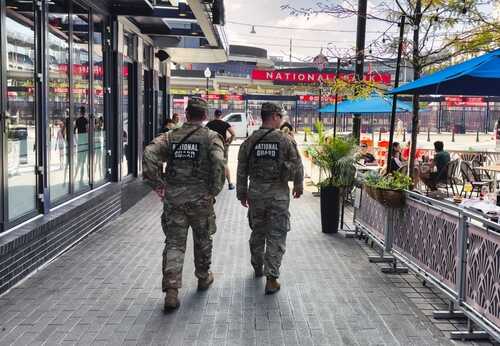
A suspect’s ambush-style attack on National Guard members near the White House raises urgent questions about domestic security.
Story Highlights
- A National Guard member was killed, and another was critically injured in a shooting near the White House.
- The suspect, an Afghan national with CIA paramilitary training, has been charged with murder.
- The incident fuels debates over military deployments and immigration policies under the Trump administration.
- President Trump calls for increased National Guard presence and stricter immigration enforcement.
Shooting Near the White House Raises Security Concerns
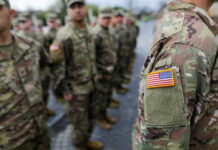
On November 26, 2025, a tragic ambush-style shooting occurred near the Farragut West metro station in Washington, D.C., just two blocks from the White House. This attack resulted in the death of Sarah Beckstrom, a 20-year-old National Guard member, and left her colleague, Andrew Wolfe, critically injured. The suspect, Rahmanullah Lakanwal, an Afghan national who had received CIA paramilitary training, was immediately apprehended at the scene and now faces charges including first-degree murder and illegal possession of a firearm.
President Trump’s administration quickly used the incident to bolster calls for stricter immigration policies and increased military presence in Washington, D.C. The deployment of National Guard troops in the capital had been contentious, with a federal judge ruling it unlawful just days before the shooting. However, this ruling was stayed, allowing the deployment to continue pending appeal. The incident reinvigorates the debate over the balance of executive authority and judicial oversight in matters of national security.
Watch:
Implications for National Guard Deployment
The shooting underscores the risks faced by National Guard members deployed domestically, particularly in high-profile areas like Washington, D.C. The deployment, initiated by President Trump in August 2025, was aimed at bolstering security in the nation’s capital. Yet, it raised questions about the appropriateness of using military personnel for what seemed like law enforcement duties. This incident highlights the need for reevaluating force protection measures for service members stationed in non-traditional military environments, such as public transit hubs and commercial areas.
Rahmanullah Lakanwal’s background, with CIA training, further complicates the narrative. His status as an Afghan national has intensified scrutiny over immigration policies, with some political figures calling for broader measures to prevent similar incidents. This scenario echoes concerns about vetting processes for individuals with military or intelligence training entering the U.S., sparking debates about national security and immigration reforms.
Political and Social Repercussions
The tragic events have not only affected the victims’ families and the West Virginia National Guard but have also had broader political and social implications. President Trump’s call for additional National Guard troops and a crackdown on immigration reflects a broader strategy to leverage the incident for policy changes. The shooting has affected the public’s sense of security in Washington, D.C., a city accustomed to heightened tensions due to its political significance.
Suspect in DC shooting of 2 National Guard members formally charged with murder, pleads not guilty https://t.co/xrAMH8C0gz
— ABC13 Houston (@abc13houston) December 3, 2025
The ongoing legal proceedings against Lakanwal, who has pleaded not guilty to all charges, will likely influence future discussions on military deployments and immigration policies. As the legal process unfolds, the case may set precedents for how similar incidents are managed in the future, potentially impacting recruitment and retention within the National Guard as well as the broader discourse on national security.
Sources:
2025 Washington, D.C., National Guard shooting