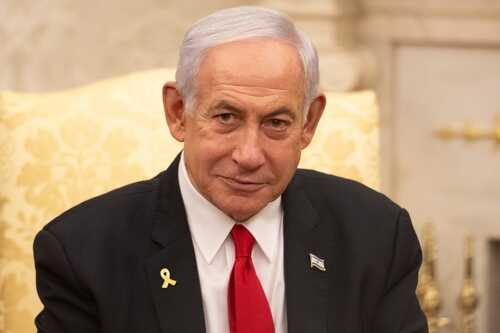
Israel’s demand for the unconditional release of all hostages before ending the Gaza war signals a hard line that could escalate conflict and shape U.S. foreign policy.
Story Snapshot
- Prime Minister Netanyahu has closed the door on partial hostage deals, insisting all hostages must be released for the Gaza war to end.
- This marks a significant escalation, with Israel intensifying military operations amid reports of worsening hostage conditions.
- Negotiations are stalled, and the humanitarian crisis in Gaza deepens as international pressure for a ceasefire grows.
- Netanyahu’s stance may reshape regional stability and has broad implications for U.S. foreign policy under the Trump administration.
Netanyahu’s New Red Line: No War’s End Without Full Hostage Release
On August 13, 2025, Israeli Prime Minister Benjamin Netanyahu declared that Israel would not agree to any ceasefire or end its military campaign against Hamas in Gaza unless every remaining hostage was released. This announcement ends any possibility for incremental or partial agreements, marking a firm shift in Israeli policy. Israeli forces have intensified their operations in Gaza, responding to reports of hostages being tortured and conditions deteriorating, and the government’s position has hardened under both internal and external pressures.
Netanyahu: ‘No going back’ after Hamas torpedoed hostage deal https://t.co/gYh9sMZrNQ via @JNS_org
— Eric Martin (@EricMar25918091) August 13, 2025
The roots of the crisis stretch back to October 7, 2023, when Hamas launched a deadly attack on southern Israel, taking hostages and igniting the current war. Since then, negotiations—often mediated by Egypt, Qatar, and the United States—have resulted in only partial releases, while dozens of hostages remain. As the conflict drags on, reports indicate that hostages face increasingly dire circumstances, and Israel’s security concerns have become central to its refusal to consider deals short of total hostage liberation. This development is set against a backdrop of high casualty rates and severe destruction in Gaza.
Watch: Israeli Resolve Stiffens against Partial Hostage Deal as IDF Chief Approves Expanded Gaza Offensive
Key Stakeholders and Power Dynamics
Netanyahu’s government, the Israeli Defense Forces (IDF), and the families of hostages are at the core of the unfolding situation. Netanyahu is determined to secure all hostages, a stance that consolidates his political position domestically and signals unwavering resolve internationally. Hamas, meanwhile, views its remaining hostages as critical leverage for concessions, but its bargaining power is diminishing as Israeli military pressure mounts. International mediators, including the United States under President Trump, are increasingly sidelined as Israel asserts its demands and Hamas remains unresponsive to the new terms. The Trump administration’s foreign policy posture—prioritizing strong alliances, national security, and resistance to globalist pressure—may influence U.S. mediation efforts and regional engagement moving forward.
Regional and Humanitarian Repercussions
The immediate consequence of Netanyahu’s announcement is a likely intensification of military operations in Gaza, heightening risks for hostages and Palestinian civilians alike. The humanitarian crisis is deepening, with aid organizations facing mounting challenges as violence escalates. The war’s economic and social toll continues to climb, affecting families in both Israel and Gaza. Politically, Netanyahu’s stance may bolster his support among security-focused voters but could also strain Israel’s international relationships, particularly if civilian casualties increase and diplomatic solutions seem out of reach.
As the world watches, the outcome of Israel’s demand for a full hostage release will reverberate far beyond the region. For Americans committed to defending freedom, sovereignty, and constitutional values, the situation serves as a stark reminder of the threats posed by terror groups and the need for principled, decisive responses on the world stage.
Sources:
Israeli PM Benjamin Netanyahu says partial Gaza ceasefire deal no longer possible