

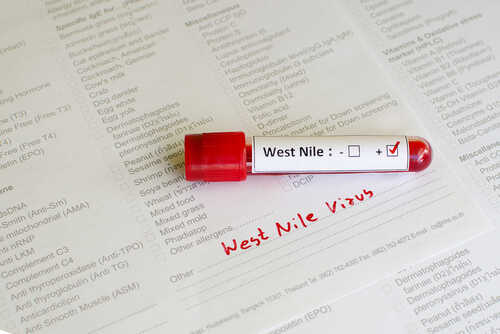
Louisiana’s first severe West Nile virus case of the season lands an adult in the hospital.
Story Snapshot
- Louisiana confirmed its first 2025 human West Nile virus case; the patient was hospitalized with the severe neuroinvasive form.
- State officials say about 1 in 150 infections become neuroinvasive, with higher risk among adults 55+ and the immunocompromised.
- WNV activity has been detected across 14 parishes this season, indicating broad environmental circulation.
- CDC data show Louisiana reporting neuroinvasive cases in 2025, while cautioning that mild cases are underreported.
Louisiana’s first 2025 human case is severe and hospitalized
Louisiana’s Department of Health confirmed the state’s first human West Nile virus case of 2025, reporting the patient was hospitalized and diagnosed with the neuroinvasive form that can damage the brain, spinal cord, and nerves. Officials stressed that the severe form occurs in roughly one out of every 150 infections, underscoring why early-season vigilance matters. The department also noted the virus has circulated in the state since 2002 and recurs each summer, with year-to-year case totals varying by conditions and mosquito activity.
Health officials confirm human case of West Nile virus transmitted by mosquitoes in New Orleans https://t.co/Eb80oOHF66 pic.twitter.com/plFdO8lGfs
— New York Post (@nypost) August 9, 2025
Local media amplified the health alert, reiterating hallmark symptoms of neuroinvasive disease—high fever, stiff neck, confusion, weakness, and the potential for paralysis—and emphasized that older adults and immunocompromised people face greater danger. Practical guidance focused on proven steps: use EPA-registered repellents, wear long sleeves and pants at dusk and dawn, and eliminate standing water around homes. Those low-cost measures reduce exposure without waiting on slow-moving programs or one-size-fits-all mandates.
Watch: Health Alert: Discussing first West Nile virus case in LA
Broad parish activity signals statewide seasonal risk
State surveillance detected West Nile activity in 14 parishes this season through mosquito pools, birds, or horses, indicating environmental amplification before human cases surface. That pattern aligns with prior years and reinforces that risk is not confined to a single parish. In 2024, Louisiana recorded 57 human cases and three deaths, a reminder that while most infections are mild or asymptomatic, the small fraction that become neuroinvasive strain hospitals, families, and local budgets.
CDC’s ArboNET shows Louisiana reporting neuroinvasive cases for 2025 as data accrue through the season, but the agency cautions that mild, non-neuroinvasive illnesses are consistently underreported and that federal aggregates can lag behind state updates. Analysts and clinicians therefore lean on Louisiana’s weekly arbovirus summaries for timelier situational awareness, while using CDC’s national view to compare trends and understand the surveillance gaps for less severe disease.
Older adults shoulder higher risk; prevention remains local and practical
Louisiana’s weekly arbovirus reporting highlights that adults 55 and older are more likely to develop neuroinvasive disease and that these severe cases are more consistently detected by the health system. That reality should guide household decisions: prioritize protection for older parents, grandparents, and immune-suppressed loved ones during peak mosquito hours. Parish mosquito control can help by reducing vector populations, but daily yard maintenance, screens in good repair, and consistent repellent use are the frontline defense families control directly.
Limited data about the hospitalized patient’s demographics were released for privacy, and statewide case counts can shift as investigations close. Despite those constraints, the core picture is clear and actionable: serious West Nile complications remain uncommon yet consequential, risk concentrates among older residents, and prevention responsibilities sit closest to home. In an era of strained public health systems, targeted local action—by households, neighborhoods, and parish programs—delivers the most reliable protection without inviting broader government overreach.
Sources:
West Nile Virus Confirmed in Louisiana: First Case Leads to Hospitalization
LDH Arbovirus Surveillance Summary, CDC Week 31 (Aug 2, 2025)
CDC West Nile 2025 Current Year Data