A new US policy shift aims to curb Islamist violence in Nigeria, focusing on protecting Christians and redesignating Nigeria as a country of particular concern.
Story Highlights
- President Trump orders military preparations to combat Islamist violence in Nigeria.
- Nigeria is redesignated as a “Country of Particular Concern” for religious freedom violations.
- US intelligence-sharing and diplomatic efforts intensify in response to jihadist threats.
- The Nigerian government welcomes US assistance but emphasizes sovereignty.
US Military Preparations for Nigeria
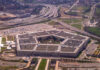
In response to increasing Islamist violence in Nigeria, President Trump has ordered the Pentagon to prepare for potential military action. This move aims to protect Christians facing threats from groups like Boko Haram and ISIS affiliates. The US has also redesignated Nigeria as a “Country of Particular Concern” due to religious freedom violations, reversing a previous decision made during the Biden administration.
These developments are part of a broader strategy to counter Islamist violence through diplomatic pressure, sanctions, security assistance, and intelligence-sharing. The US Secretary of Defense, Pete Hegseth, recently met with Nigeria’s national security adviser to discuss these issues, highlighting the US commitment to addressing jihadist expansion in the region.
REPORT: US Surveils Islamic Terrorists In Nigeria Following Trump’s Calls To Stop Christian Persecution https://t.co/L0SmPmJiqA
— News Span Media (@newsspanmedia) December 23, 2025
Background on Islamist Extremism in Nigeria
Islamist extremism in Nigeria has been a growing concern since Boko Haram’s emergence in 2009. The group’s notorious 2014 abduction of 276 schoolgirls in Chibok brought global attention to the issue. Boko Haram, along with ISIS West Africa Province (ISWAP) and al-Qaeda-linked groups like JNIM, continues to threaten regional stability. The US has historically provided aid and training to Nigeria, but recent geopolitical shifts have complicated these efforts.
The Sahel region’s instability, marked by military coups in countries like Niger, Mali, and Burkina Faso, has allowed jihadist groups to thrive. This has prompted the US to reconsider its counterterrorism strategies in West Africa, balancing the need for intervention with respect for Nigerian sovereignty.
US-Nigeria Cooperation and Challenges
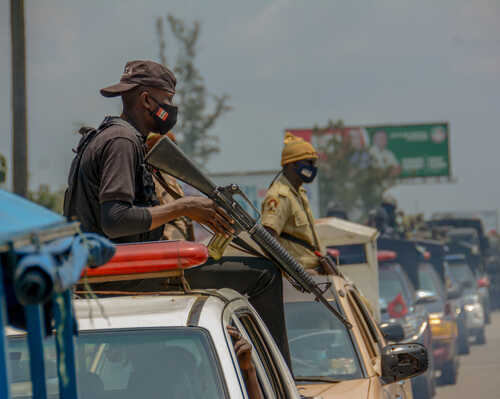
The Nigerian government has expressed willingness to cooperate with the US in combating terrorism, provided that their national sovereignty is respected. This cooperation is crucial as Nigeria grapples with jihadist threats that have resulted in significant casualties among both Muslims and Christians. Recently, two leaders of the al-Qaeda-linked group Ansaru were arrested in Nigeria, signaling the government’s intent to address domestic terrorist threats.
Despite these efforts, challenges remain. Allegations of Nigerian officials sponsoring Sahel terror groups complicate international relations. The US must navigate these complexities while maintaining its commitment to protecting religious freedoms and countering terrorism in the region.
Watch:
Sources:
Council on Foreign Relations: Violent Extremism in the Sahel
White House Fact Sheet on Foreign National Restrictions
ICCT: Islamic State 2025 Evolving Threat
Atlantic Council: US Strategy in Nigeria