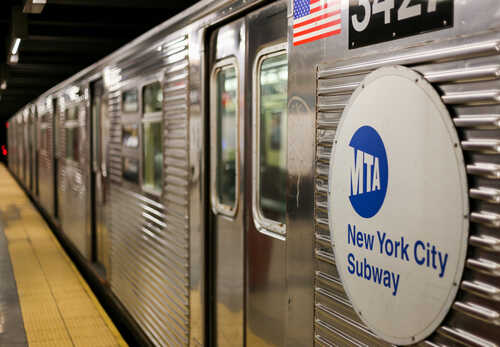
New York’s ongoing struggle with two-person subway crews keeps taxpayers on the hook, with outdated union contracts standing in the way of modernization.
Story Snapshot
- Historical union contracts enforce two-person subway crews in New York City.
- Safety regulations and infrastructure divisions complicate shifts to automation.
- Efforts to reduce costs face opposition from powerful transit unions.
- Other cities have moved to one-person crews, highlighting New York’s stagnation.
Historical Union Contracts and Safety Concerns
The New York City Subway system, unlike many other metropolitan transit networks, still requires two-person crews on its trains. This practice is deeply rooted in historical union contracts, primarily with the Transport Workers Union (TWU) Local 100, which fiercely opposes any move towards automation or crew reductions. Safety regulations enforced by the Metropolitan Transportation Authority (MTA) and state oversight also contribute to maintaining the status quo.
The subway system’s operational precedents, dating back to its private and unified eras, further complicate the shift to modern, automated systems. The infrastructure divisions—A and B Divisions—pose logistical challenges, with each requiring specific operational standards that favor the retention of two-person crews.
Efforts to Reduce Costs and Improve Efficiency
The MTA has repeatedly attempted to reduce costs by proposing a shift to one-person crews, which could save upwards of $300 million annually. However, these efforts face staunch opposition from the TWU, which prioritizes job security and safety concerns. The union has successfully blocked changes through arbitration victories, emphasizing the importance of maintaining current staffing levels for safety reasons.
Despite the technological feasibility of implementing automated systems on certain lines, such as the L line, which underwent fully automated trials in 2016, progress has stalled. TWU’s resistance continues to be a significant barrier, and the union wields considerable influence in political circles, making it difficult for the MTA to enact meaningful changes.
Watch;
Comparisons with Other Cities and Broader Implications
While New York struggles with entrenched labor agreements, other cities around the world have successfully transitioned to one-person crews or fully automated systems. The Vancouver SkyTrain, for example, operates without onboard conductors, showcasing the potential for efficiency and cost savings that New York could achieve.
The two-person crew requirement not only inflates operational expenses by 20 to 30 percent compared to automated peers but also sets a precedent against U.S. automation trends. This reluctance to modernize impacts the MTA’s ability to expand and improve services, potentially delaying savings of over $1 billion in the long term.
Sources:
History of the New York City Subway
History of the Independent Subway
The NYC Subway System: 120 Years of Connections