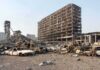
Iranian missiles struck Dubai International Airport, one of the world’s busiest civilian aviation hubs, in a brazen escalation that exposes how regional conflicts now directly threaten American travelers and allies despite years of failed diplomatic engagement.
Story Snapshot
- Dubai International Airport sustained damage from Iranian retaliatory strikes on February 28, 2026, injuring four staffers in the first confirmed direct attack on UAE civilian infrastructure.
- Over 90,000 daily transit passengers faced stranded flights and airport closures across Middle East hubs following the missile and drone barrage targeting US bases, Israel, and Gulf states.
- The attack followed joint US-Israel strikes on Iran earlier that day, with Iran’s response marking a dangerous expansion beyond military targets to civilian aviation infrastructure.
- UAE authorities condemned the strikes as a “blatant attack” while reserving the right to respond, signaling potential widening of conflict despite attempts to downplay damage as “minor.”
Iranian Missiles Target Global Aviation Crossroads
Dubai International Airport, a critical east-west transit hub processing approximately 90,000 passengers daily through Emirates airline alone, confirmed direct hits to a concourse during Iranian missile and drone strikes on February 28, 2026. Four airport staff members sustained injuries requiring medical treatment, according to Dubai’s official media office. Authorities preemptively cleared most terminals of passengers before impact, limiting casualties in what represents the first verified Iranian strike on UAE civilian airport infrastructure. The attack occurred late evening local time as air raid sirens blared across Dubai, forcing residents into shelters while debris ignited a minor fire at the iconic Burj Al Arab hotel with no additional injuries reported.
Trump Administration Strikes Trigger Regional Chaos
The airport assault followed joint US-Israel military operations against Iran launched earlier on February 28, targeting what the Trump administration characterized as regime threats to American allies and bases. Iran’s retaliation demonstrated calculated asymmetric warfare, deploying missiles and drones against US military installations, Israeli territory, and Gulf state locations including Abu Dhabi and Dubai. The UAE, despite hosting US forces and maintaining strategic ties with Washington, found itself collateral damage in the escalating conflict. This mirrors concerns many conservatives have raised about endless Middle East entanglements dragging America into conflicts that directly harm our citizens and economic interests abroad without clear strategic benefit or exit strategy.
Aviation Industry Paralyzed Across Middle East Hubs
Regional airspace closures triggered cascading flight cancellations affecting travelers from Europe to the United States. Lufthansa Group suspended all flights through UAE, Iranian, and Jordanian airspace through March 7, while Dubai, Abu Dhabi, and Doha airports halted operations indefinitely. Stranded passengers reported sitting on tarmacs for five hours without food or clear information as customer service lines collapsed under overwhelming demand. The disruption illustrates vulnerability of global supply chains and travel networks to Middle Eastern instability, a predictable consequence of policies that prioritized diplomatic engagement over deterrence. At Abu Dhabi’s Zayed International Airport, one civilian fatality and seven injuries occurred from related incidents, compounding the human toll beyond Dubai.
UAE Balances Response Amid Gulf Security Concerns
UAE President Mohamed bin Zayed coordinated with Saudi Arabia’s Crown Prince following the strikes, with both Gulf leaders condemning the attacks as threats to regional stability. The UAE Defence Ministry confirmed intercepting multiple incoming missiles while characterizing the Dubai airport hit as a “blatant attack,” explicitly reserving rights to future response. This measured reaction reflects the UAE’s precarious position balancing strategic US partnerships against proximity to Iranian aggression, a dilemma created by years of inadequate American deterrence policies. Dubai authorities worked to control the narrative, labeling concourse damage as “minor” despite confirmed injuries and terminal destruction, likely attempting to preserve the emirate’s reputation as a secure global business and tourism destination critical to its economy.
The February 28 strikes mark a threshold crossing for Iran, moving from intercepted missile exchanges with Israel to successful hits on civilian infrastructure serving Western travelers. Over 90,000 daily passengers rely on UAE and Qatari hubs for connections between continents, making these facilities irreplaceable nodes in global commerce and travel. Economic ripple effects extend beyond immediate flight cancellations to potential long-term impacts on Gulf tourism, aviation revenues, and oil market stability if conflict widens. The incident validates longstanding conservative arguments that weakness invites aggression—Iran’s willingness to strike a major international airport suggests emboldened calculus after years of inconsistent American responses to regional provocations and proxy attacks.
Sources:
Times of Israel: UAE Authorities Confirm Dubai Airport Hit by Iran Counterstrikes 4 Staffers Wounded
Anadolu Agency: 4 Injured Following Incident at Dubai International Airport
Hindustan Times: Dubai Abu Dhabi News Live Updates Iran Israel War Missile Attack
Times of India: Drone Debris Hits Dubai’s Burj Al Arab After Iranian Strike
Sky News: UK Middle East Flights Disrupted as Dubai and Doha Airports Suspend Services
GMA Network: 4 Hurt as Dubai Airport Sustains Damage from Iranian Missile Strike