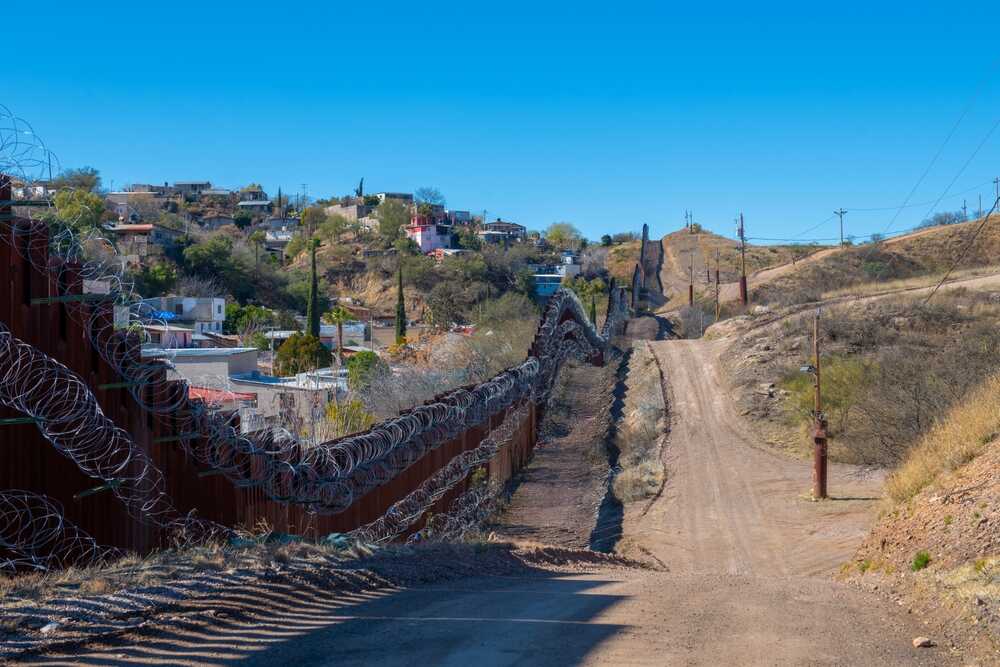
Federal authorities have shut down a 79-meter-long smuggling tunnel beneath Nogales, Arizona—one of the longest ever discovered in the area—exposing how cartels continue to exploit America’s border infrastructure despite billions spent on security.
Story Snapshot
- A 259-foot clandestine tunnel connecting Mexico to the U.S. was discovered and closed in Nogales, Arizona, in early 2026
- The tunnel ranks among the longest found in the region, surpassing many prior discoveries including an 82-foot tunnel shut down in 2019
- Nogales’ shared drainage and wastewater systems with Mexico create persistent vulnerabilities exploited by smuggling cartels
- The discovery follows a January 2025 shutdown of a 40-meter tunnel under the Rio Grande, indicating escalating smuggling sophistication
Another Tunnel, Another Reminder of Border Failures
Federal authorities discovered and shut down a 79-meter clandestine tunnel in Nogales, Arizona, stretching approximately 259 feet from Mexico into the United States. The tunnel, revealed in early 2026 reporting, represents one of the longest found in the Nogales corridor, exceeding the 82-foot tunnel discovered in December 2019 and a 29-foot incomplete tunnel found during bi-national sweeps. While specific details about seizures or arrests remain limited, the tunnel’s scale underscores the ongoing challenge facing border security operations along the Arizona-Sonora boundary.
Nogales: A Smuggling Gateway Built on Infrastructure Gaps
Nogales sits uniquely vulnerable due to its urban layout straddling the U.S.-Mexico border, where interconnected drainage and wastewater systems run beneath both cities. Smuggling cartels have exploited these shared infrastructure networks since the early 2000s, constructing tunnels from Mexican residences or drainage points directly into U.S. pipelines and sewers. The December 2019 tunnel originated from a Morley Avenue home, leading to a wastewater pipeline where authorities seized methamphetamine, heroin, cocaine, and fentanyl, arresting two Mexican nationals. That discovery marked the third tunnel found that month alone, illustrating the persistent threat.
Pattern of Discovery Shows Cartels Adapting Faster Than Enforcement
The Department of Homeland Security leads tunnel detection efforts, often conducting routine bi-national sweeps with Mexican authorities through shared drainage systems. These joint operations have uncovered incomplete tunnels and active smuggling routes, yet discoveries continue with alarming regularity. The January 2025 shutdown of a 40-meter tunnel beneath the Rio Grande demonstrated cartels’ willingness to invest in increasingly ambitious projects, shifting tactics as enforcement adapts. While DHS operations disrupt immediate smuggling routes and seize dangerous drugs like fentanyl, the continuous emergence of new tunnels reveals smugglers’ capacity to rebuild infrastructure faster than authorities can eliminate it.
The Cost Americans Pay for Porous Borders
These tunnels do more than move contraband—they funnel deadly drugs into American communities already ravaged by the opioid crisis. The 2019 Nogales tunnel seizure included fentanyl, a synthetic opioid responsible for tens of thousands of U.S. overdose deaths annually. Border security analysts recognize urban drainage systems as persistent vulnerabilities, with enforcement-focused sources celebrating shutdowns as victories while acknowledging the underlying reality: cartels possess the resources and motivation to continue building. For residents along the border and families nationwide losing loved ones to drug overdoses, these tunnel discoveries represent a failure of the federal government to secure sovereign territory and protect citizens from transnational criminal organizations operating with impunity.
The 79-meter Nogales tunnel now stands shuttered, but history suggests another will emerge. Decades of discoveries, billions in taxpayer dollars spent, and countless enforcement operations have failed to stem the tide of sophisticated smuggling infrastructure. Both conservatives demanding border enforcement and progressives concerned about cartel violence share frustration with a federal government seemingly incapable of solving fundamental security challenges. Until elected officials prioritize meaningful solutions over political posturing, Americans will continue reading about the next tunnel, the next seizure, and the next preventable tragedy caused by borders that remain more suggestion than barrier.
Sources:
Tucson Sentinel: Border Tunnel Report
Borderland Beat: Federal Authorities Shut Down 79-Meter-Long Clandestine Tunnel in Nogales