President Trump says America is “very close” to meeting its objectives in Iran—but Washington still won’t define what “done” actually looks like.
Quick Take
- Trump says the U.S. has made “major strides” in Iran and suggests objectives could be “pretty well complete,” while also signaling more strikes may come.
- The Pentagon has described objectives focused on stopping nukes and degrading missiles, drones, and naval threats tied to Iran’s regional aggression.
- Trump has publicly held back certain “devastating” infrastructure targets, presenting them as leverage if Iran refuses to comply.
- Civilian-casualty questions, including reports tied to a strike on a girls’ school, are adding pressure as the operation continues.
Trump Signals Progress While Keeping the End Date Open
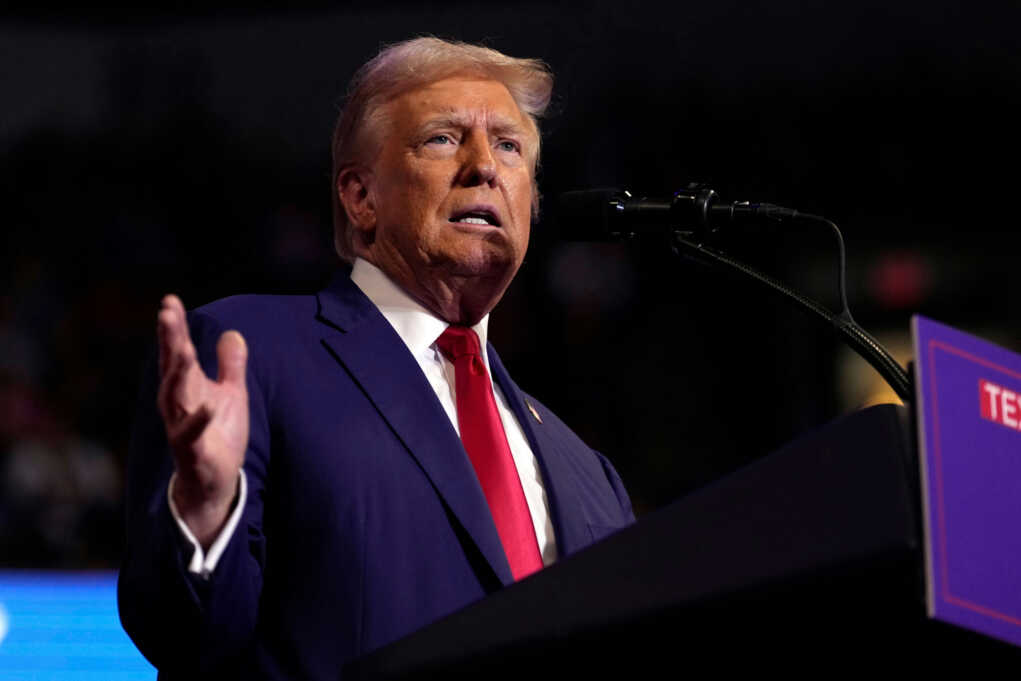
President Trump told reporters on March 9, 2026, that the U.S. is “achieving major strides” toward completing military objectives in Iran, marking his first press conference since U.S.-Israel-led strikes began the weekend of March 1–2. Trump also mixed messages about whether the mission is effectively finished or expanding, saying the U.S. could declare success “right now” yet still intends to “go further.” That tension is now the central question.
Trump’s comments included sweeping claims about Iranian forces and naval losses and described ongoing strikes on drone and missile production facilities. He also framed “victory” in preventive terms—an Iran that is not restarting nuclear weapons development the next day—while floating language like “unconditional surrender” without clarifying whether that means nuclear abandonment, missile limits, or broader capitulation. The absence of a clear endpoint matters because it shapes what the public can measure.
What the Administration Says the Objectives Are
Early descriptions of the campaign outlined goals centered on denying Iran nuclear weapons and long-range delivery capability, degrading missile and asymmetric weapons development, and disrupting the IRGC and proxy networks that sustain destabilizing activity. Defense Secretary Pete Hegseth publicly summarized the thrust as crushing missile threats, neutralizing naval capabilities, and preventing a nuclear outcome. Chairman of the Joint Chiefs Gen. Dan Caine has cautioned the work will be difficult and “gritty,” with additional losses expected.
Those objectives, as described, track with a traditional national-security rationale: stopping nuclear proliferation, protecting U.S. forces and allies, and reducing Iran’s ability to project power. For conservative voters weary of endless wars, the complication is not the stated targets but the shifting public definition of completion. If “pretty well complete” can coexist with “we’re going to go further,” the mission can expand without a fresh debate over scope, costs, and duration.
Leverage, Infrastructure Targets, and the Escalation Question
Trump has said the U.S. is deliberately holding back strikes on electricity production sites—targets he described as easy to hit but devastating in effect. That posture signals a coercive strategy: keep the most crippling tools in reserve to pressure compliance. It may also be an effort to avoid a rapid slide into a humanitarian crisis that could inflame the region and complicate U.S. objectives. Still, simply naming those targets publicly underscores how quickly the campaign could widen.
Reports also indicate the operation has drawn in broader regional dynamics, with other Middle Eastern nations feeling the shockwaves of escalating U.S.-Iran confrontation. The early phase focused on command-and-control, naval forces, ballistic missile sites, and intelligence infrastructure to leave Iran with less ability to coordinate or respond effectively. How long that advantage lasts depends on Iran’s ability to reconstitute capabilities, disperse leadership, and adapt its asymmetric playbook across the region.
Civilian Casualties and Credibility Pressures
One of the sharpest controversies involves civilian casualties, including reporting around an airstrike that killed more than 150 people at an Iranian girls’ school, with growing evidence cited that an American Tomahawk missile was involved. Trump dismissed questions about the incident in the March 9 appearance, and the gap between battlefield claims and verified outcomes is now part of the political terrain. In conflicts like this, credibility can become a strategic asset—or a liability.
Analysts cited in reporting have also pointed to uncertainty about the campaign’s true scope. Intelligence assessments described in coverage suggested large-scale action was unlikely to topple Iran’s government, and some officials reportedly advised against proceeding. Other analysis has noted strikes increasingly hitting internal security forces used to suppress dissent, which could imply aims beyond the publicly stated list. With incomplete public detail and fog-of-war limits, Americans are being asked to trust a strategy whose boundaries remain imprecise.
Sources:
Trump’s Objectives in Iran and the Fog of War
Trump defends Iran strikes, offers objectives for military operation
Trump says U.S. is “achieving major strides” in Iran but doesn’t cite endpoint
What is Trump’s true objective in Iran war? U.S. targets provide clue
Trump says U.S. is “achieving major strides” in Iran but doesn’t cite endpoint