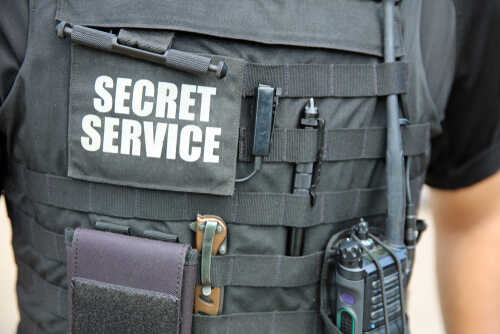
Is the Secret Service really prioritizing the safety of our leaders, or are they playing a dangerous game of politics and negligence?
At a Glance
- Secret Service faces scrutiny after a 2024 assassination attempt on Trump.
- Project Veritas exposes a new scandal involving a Secret Service officer.
- Public trust in federal protective services is declining rapidly.
- Ongoing reforms raise questions about effectiveness and accountability.
A Troubling Pattern of Failure
In July 2024, a shocking assassination attempt on President Donald Trump at a campaign rally in Butler, Pennsylvania, exposed glaring vulnerabilities in the Secret Service’s operations. Michael Thomas Crooks, a 20-year-old assailant, managed to fire eight shots, resulting in the tragic death of Corey Comperatore and injuries to two others. This incident led to a series of investigations by the FBI, DOJ, USSS, and ATF, all treating it as both an assassination attempt and domestic terrorism. The fact that such an attack could occur in the first place raises serious questions about the effectiveness of the Secret Service and the safety of our leaders.
Watch: Project Veritas Invited to White House by Rogue Secret Service Agent
Just 64 days later, another security breach at Trump International Golf Club in West Palm Beach further amplified concerns about the agency’s competency. The cumulative effect of these incidents has been to erode public trust and highlight a pattern of preventable failures. The Secret Service, once seen as the pinnacle of protective services, now faces heightened scrutiny and demands for accountability. The agency’s mission to protect our nation’s leaders seems compromised by a cascade of procedural lapses and operational missteps.
A New Scandal Unfolds
As if the situation wasn’t troubling enough, recent revelations by Project Veritas have added fuel to the fire. A Secret Service officer, Marc Hendrickson Jr., allegedly invited an undercover reporter to the White House, sharing sensitive information and mocking President Trump. This violation of protocol not only endangers national security but also underscores a culture of complacency and disrespect within the agency. An internal review is underway, but the damage to the Secret Service’s reputation is already done.
Secret Service Officer Allegedly Compromises White House Security, Mocks Trump to Woo Stranger
“Project Veritas provided a damning indication this week that the U.S. @SecretService has yet to learn its lesson and shape up.” pic.twitter.com/XoBrCcecUU
— Project Veritas (@Project_Veritas) July 18, 2025
The Project Veritas exposé reveals a disturbing willingness among some officers to flout rules and jeopardize national security for personal amusement. This isn’t just a breach of protocol; it’s a slap in the face to every American who values the integrity and safety of our nation’s leadership. The Secret Service must address these issues head-on, ensuring that such breaches are met with swift and decisive action to restore public trust.
Reforms in the Spotlight
The Secret Service claims to be implementing reforms, with 21 out of over 40 recommended changes put into action. However, 16 remain in progress, and 9 require action from other stakeholders. Sean Curran, who led Trump’s detail in Butler and is now the Secret Service Director, has pledged to prioritize protected safety. But can these reforms truly address the deep-rooted issues plaguing the agency? The public remains skeptical, as Congressional and independent reviews continue to highlight significant failures and the need for deeper accountability within the agency.
The stakes are high, and the consequences of inaction are dire. The Secret Service must not only implement these reforms but also ensure that they lead to tangible improvements in security protocols and agency culture. Anything less would be a disservice to the nation and a betrayal of the agency’s core mission.